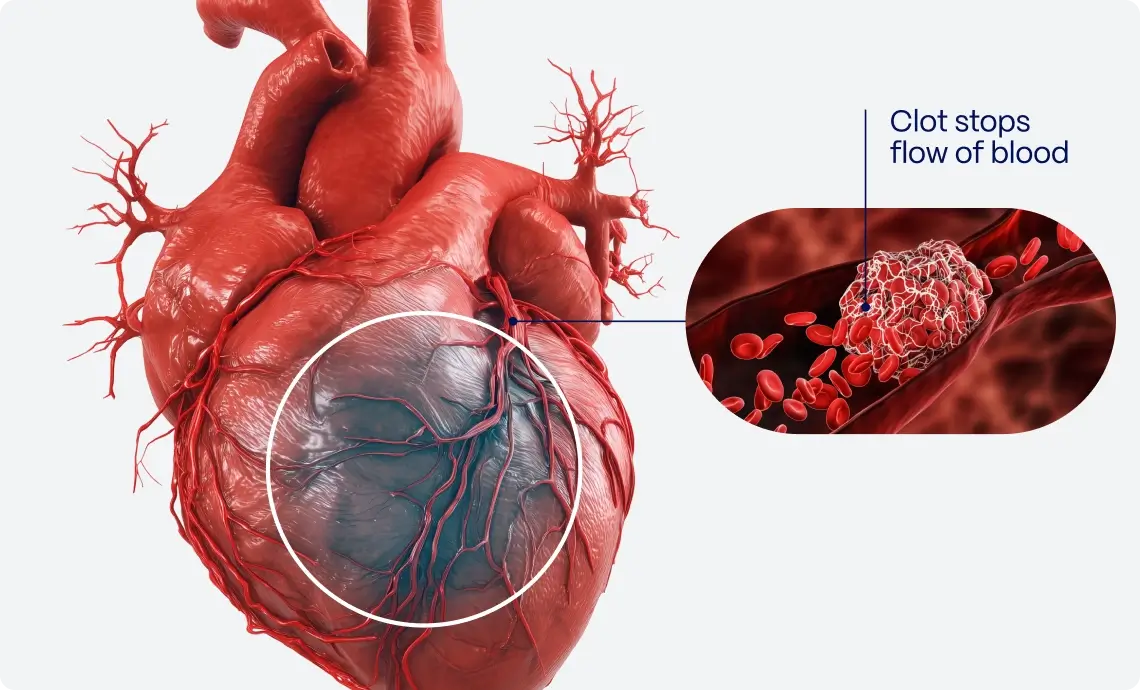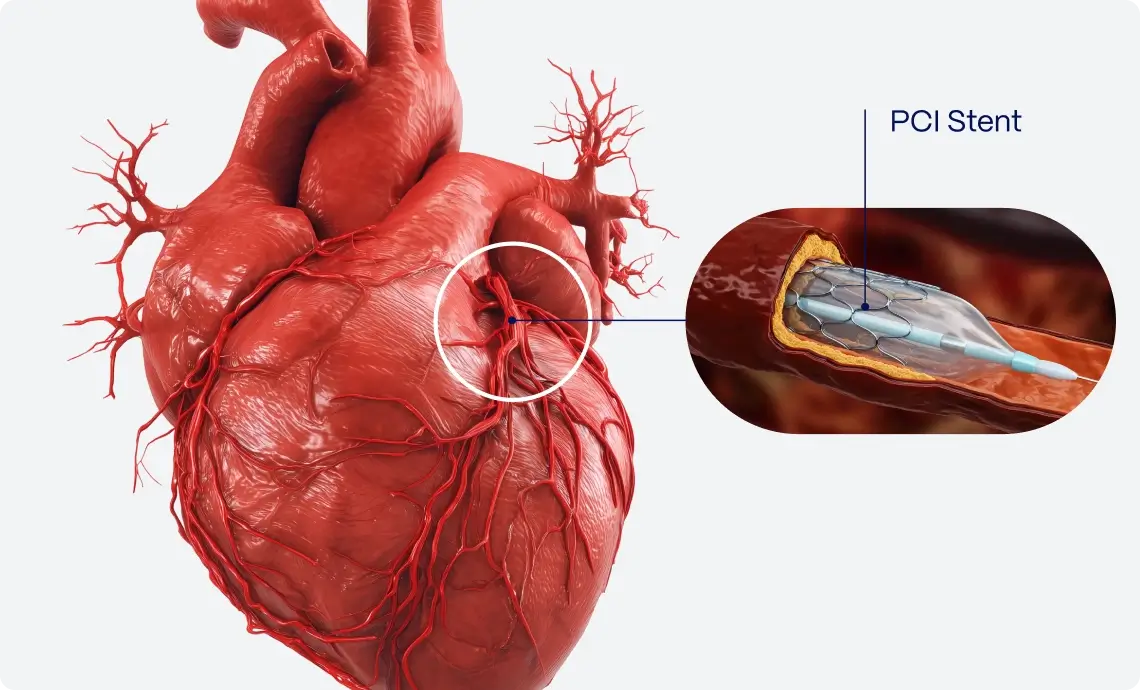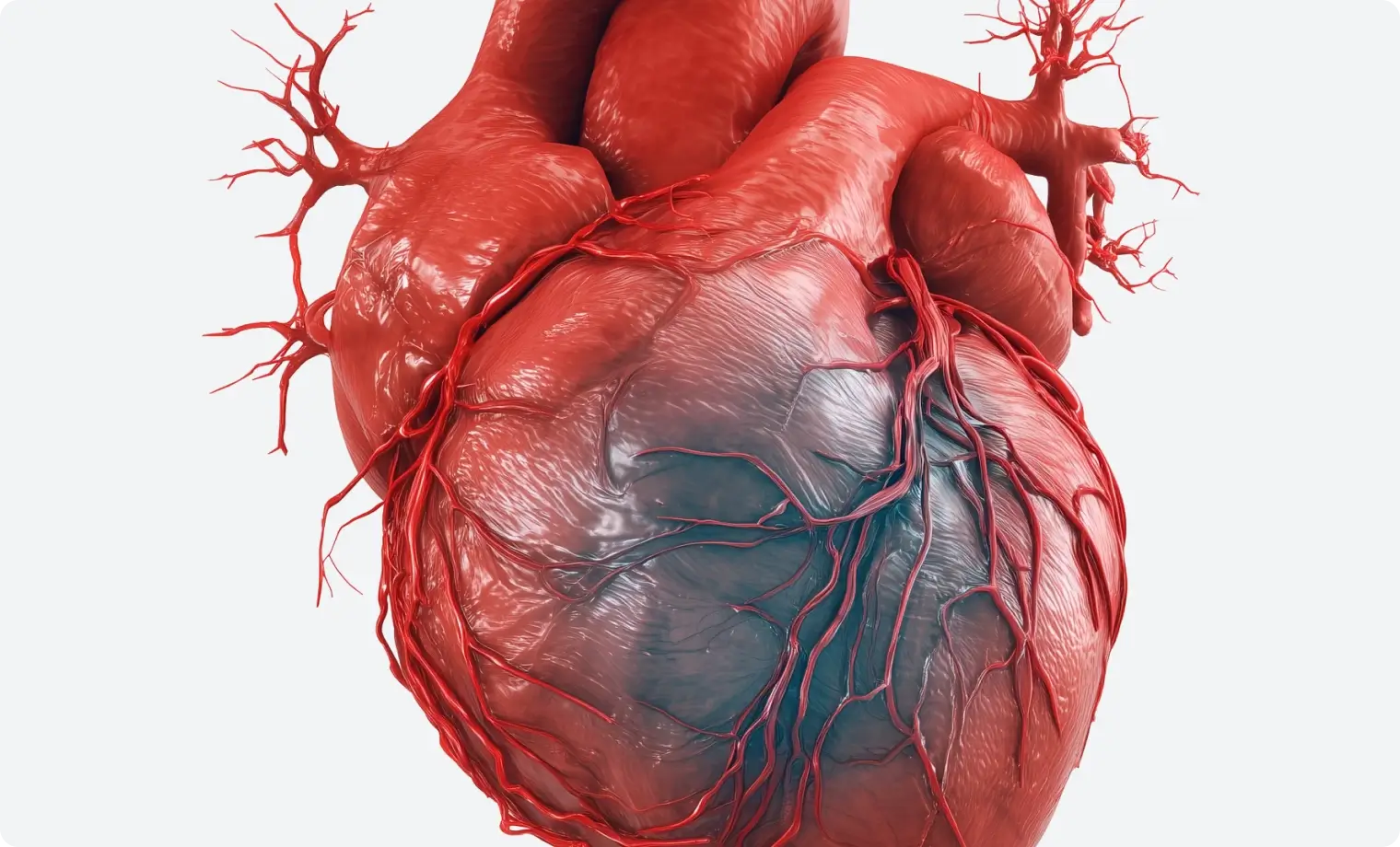


Detect Acute Heart Attacks
with Queen of Hearts™ AI ECG.
Detect acute heart attacks within seconds. Reduce false cath lab activations.
Validated in 15+ peer-reviewed studies involving over 40,000 patients.




Not all features and functionality of Queen of Hearts™ (ACS AI ECG Module) may be available in your region.

Queen of Hearts™ (QoH) is a clinically validated AI ECG interpretation model that helps clinicians differentiate acute heart attacks that can include true STEMI and STEMI equivalents from common ECG mimics that trigger false alarms, such as benign early repolarization (BER), left ventricular hypertrophy (LVH) or pericarditis.
Up to half of patients with Acute Coronary Occlusion are initially missed by STEMI criteria







PMcardio powered by Queen of Hearts™ detects acute coronary occlusion on the first ECG, helping patients reach life-saving treatment hours earlier.
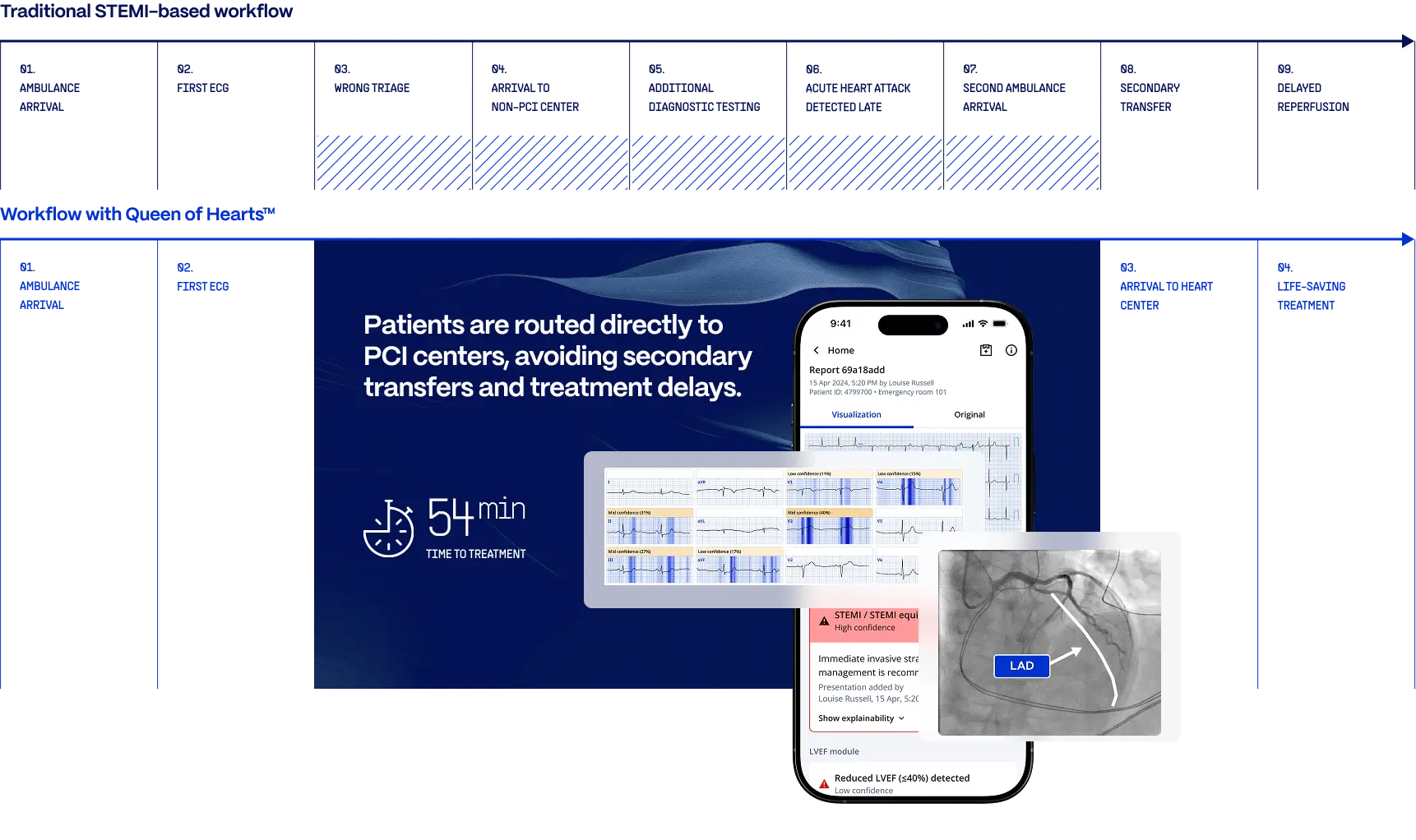
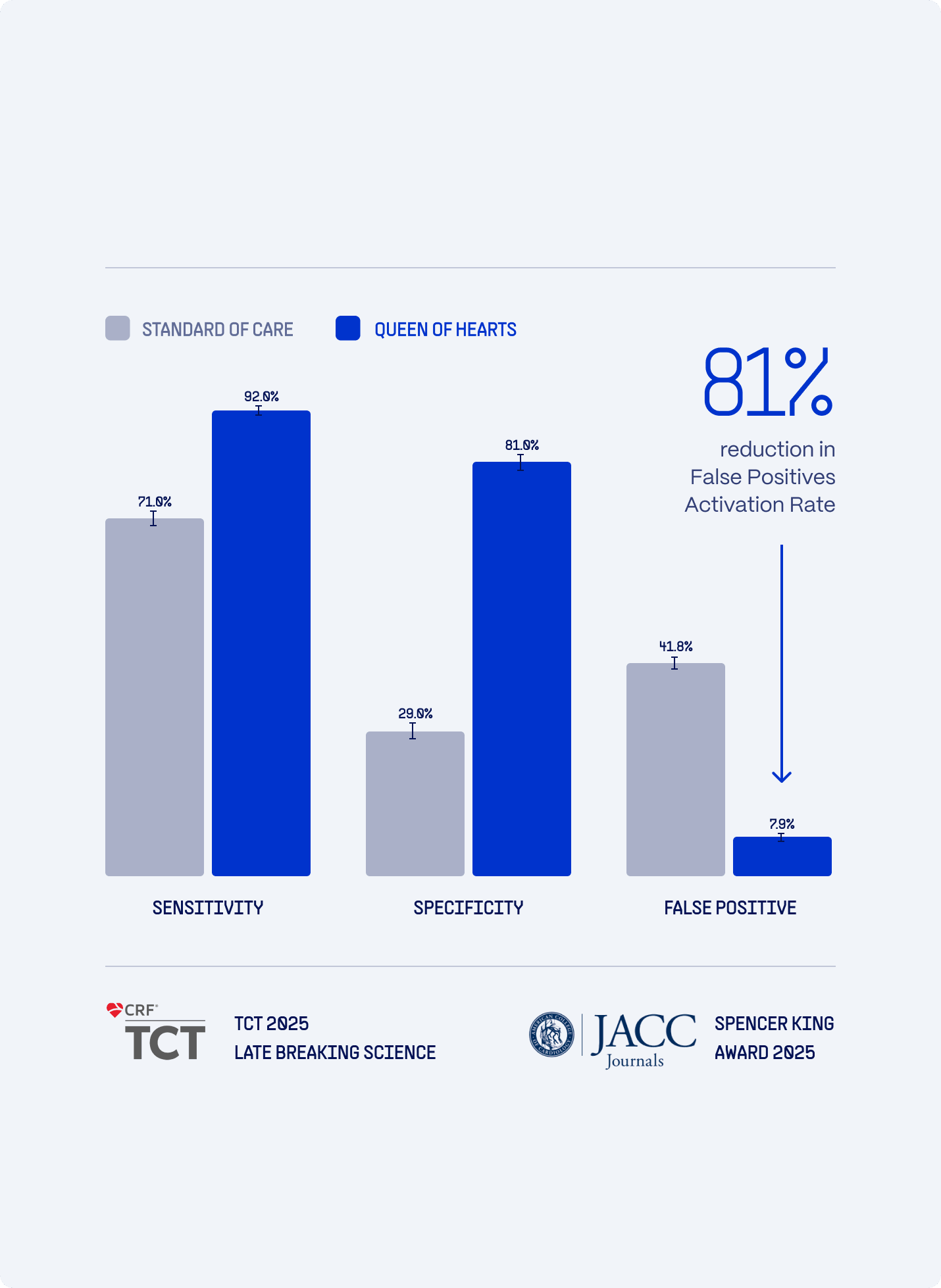
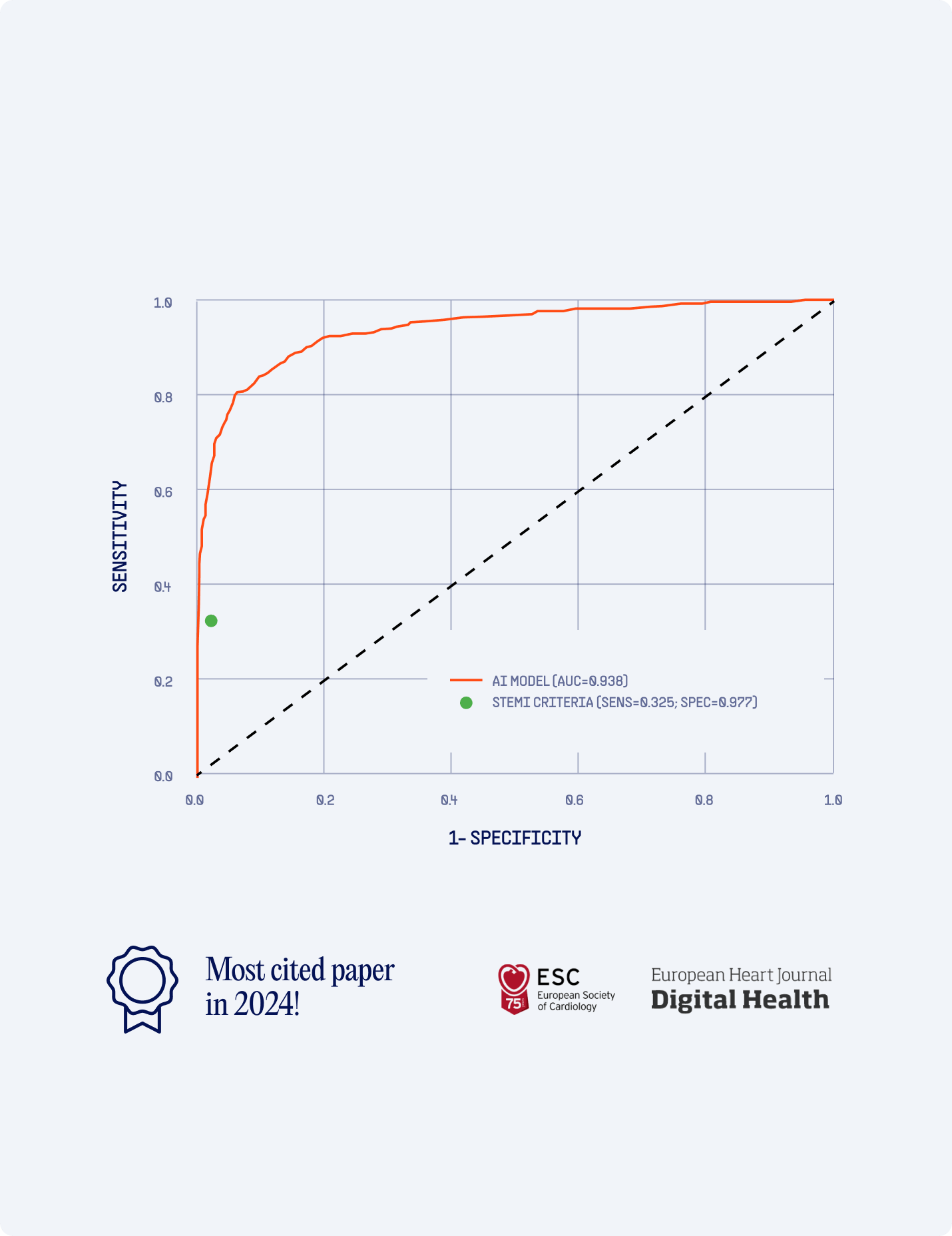
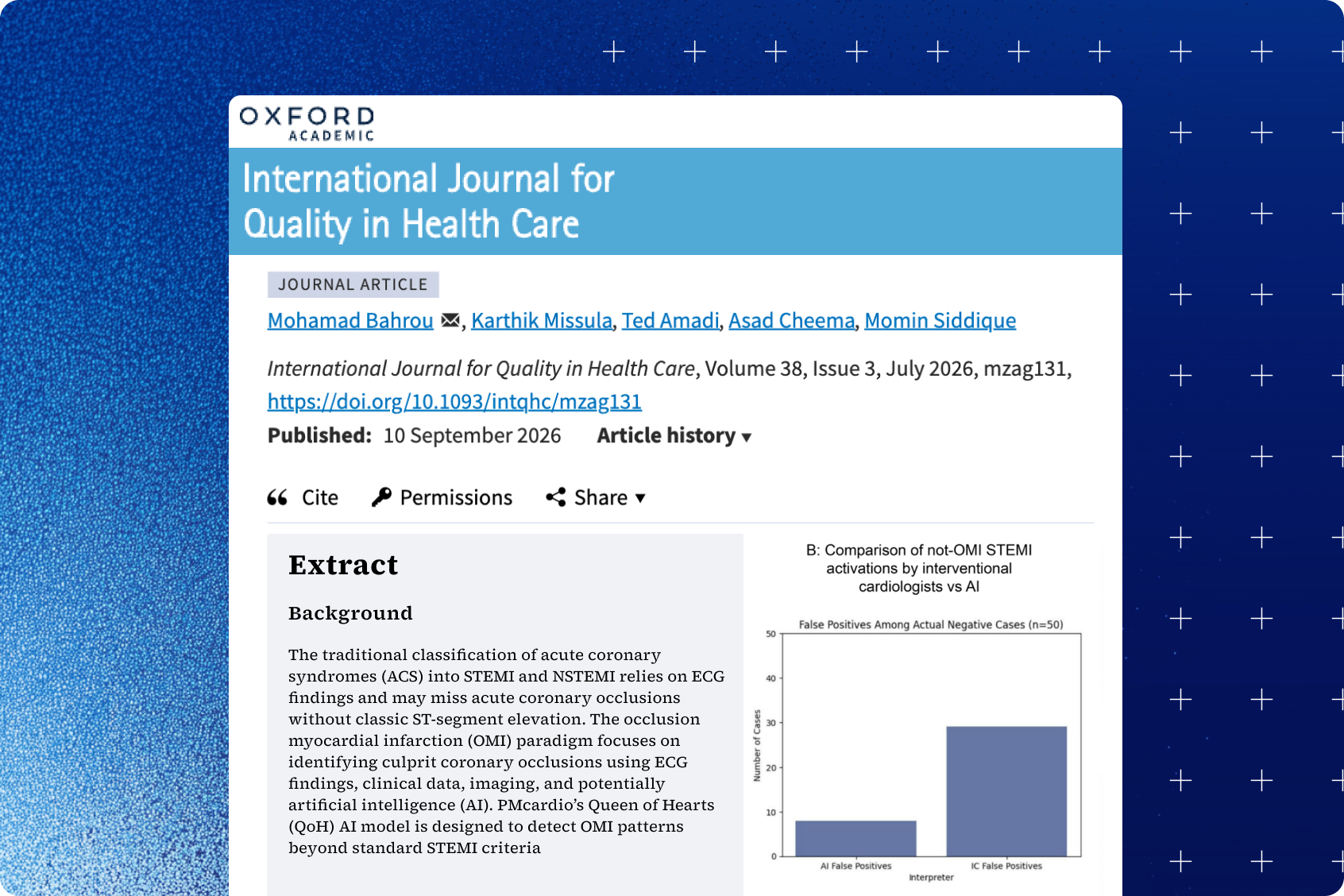
Queen of Hearts™ AI has 2x higher sensitivity and 81% fewer false positives compared to standard STEMI pathways.
Clinically Proven AI for Faster,
More Accurate STEMI Care
Validated in 15+ global studies, Queen of Hearts consistently outperforms standard-of-care in STEMI detection and cath lab activation accuracy.
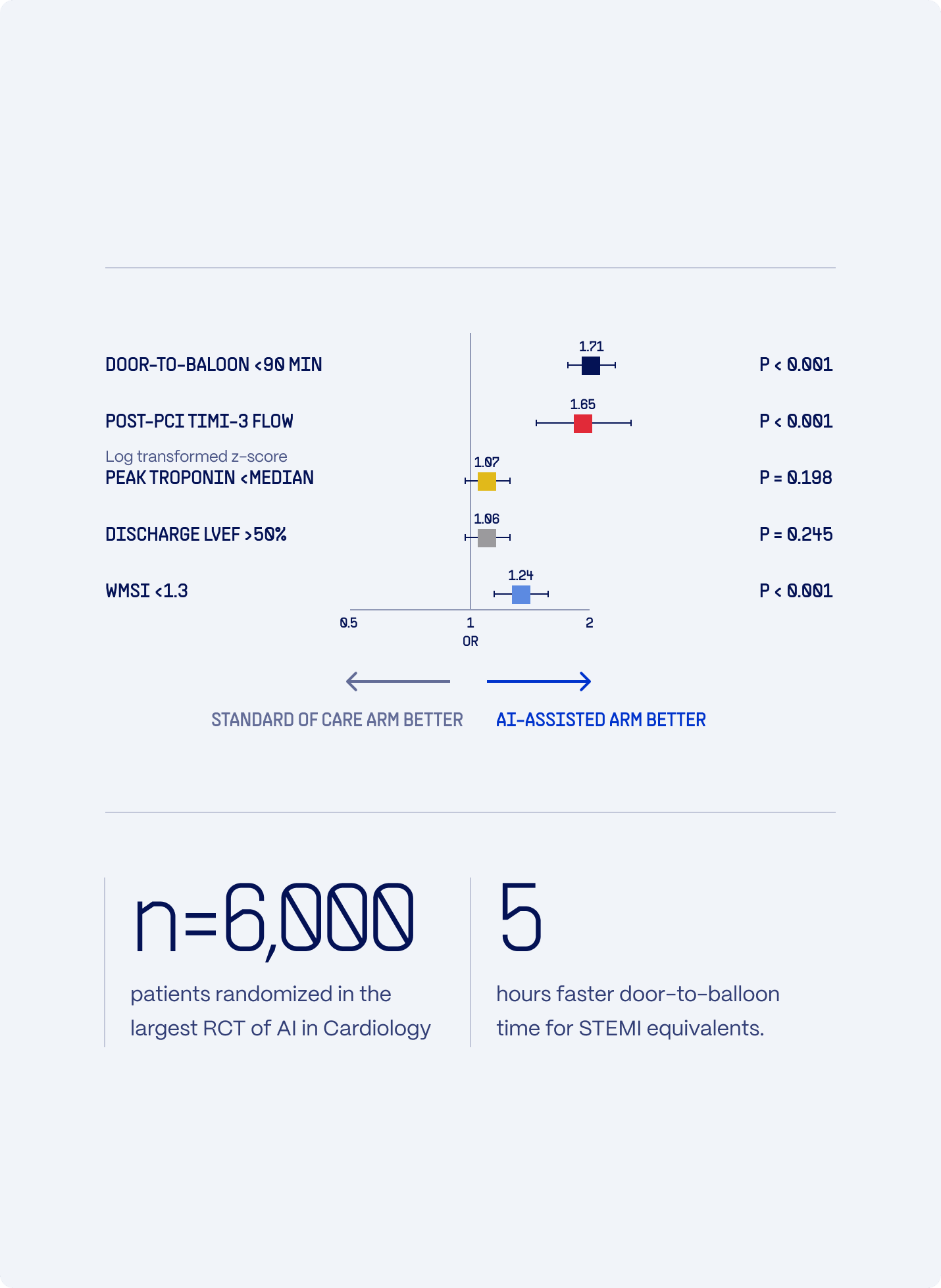
Real-World Implementation in Large Health Systems Shows Faster Door‑to‑Balloon Times
Queen of Hearts™ AI helps clinicians detect STEMI and STEMI equivalents earlier and make faster triage decisions.
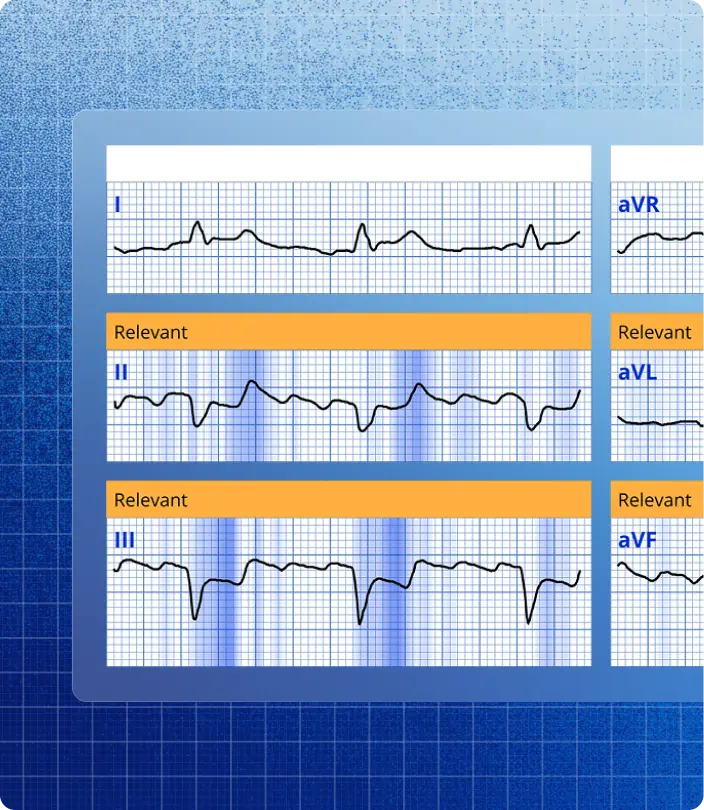
ECGxplain™ - Visual AI Explainability
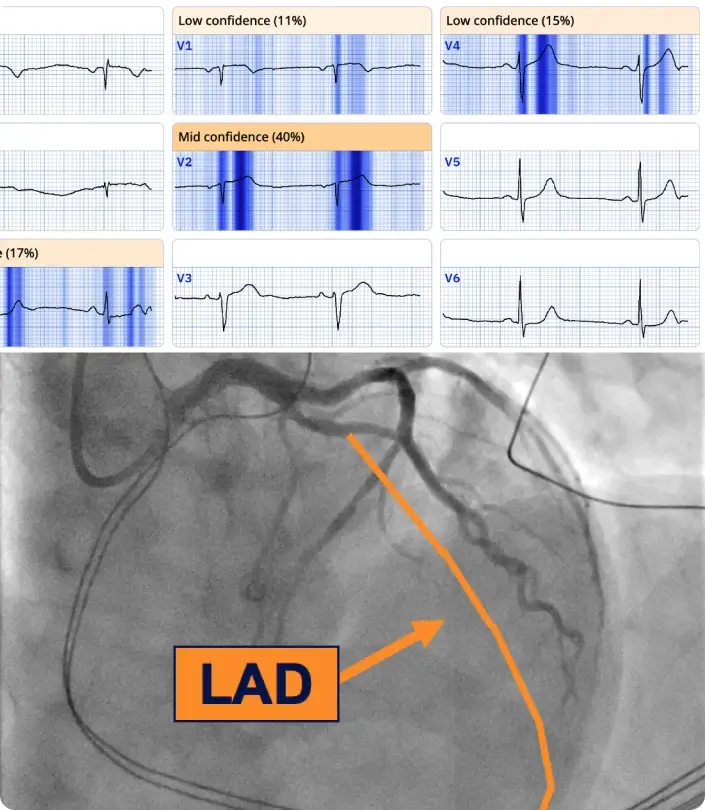
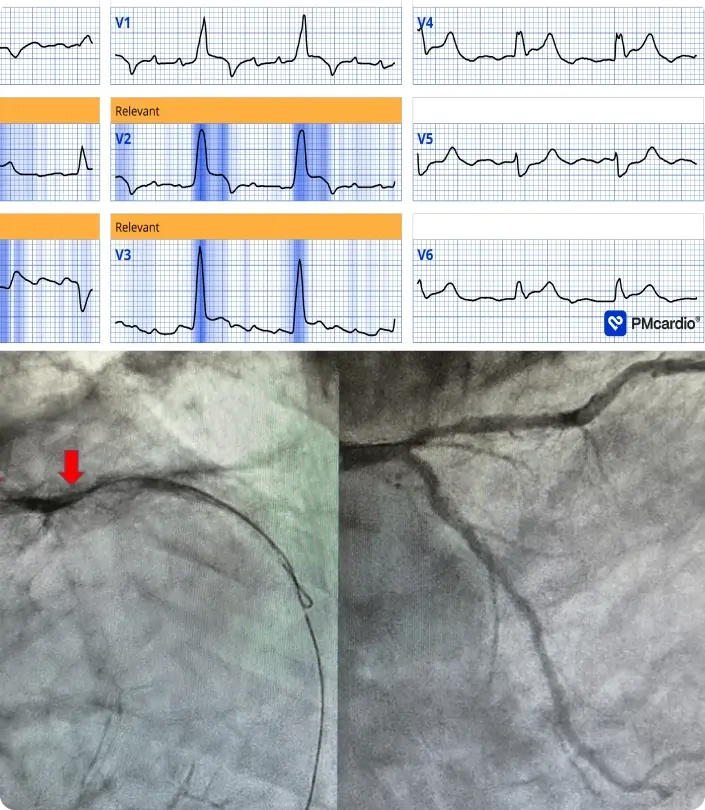
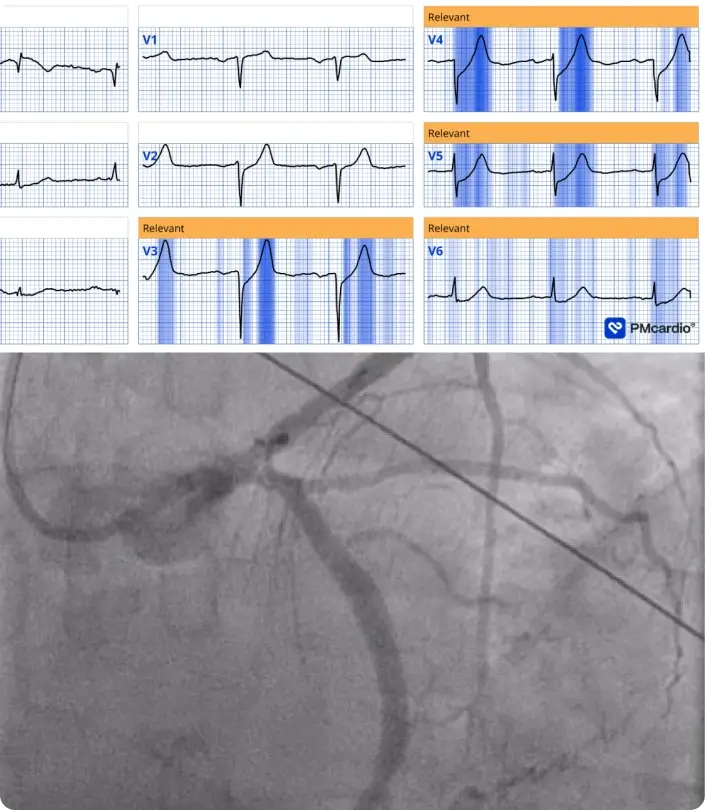
Visually highlights ECG leads and feature segments influencing the AI prediction, helping clinicians interpret results with confidence.
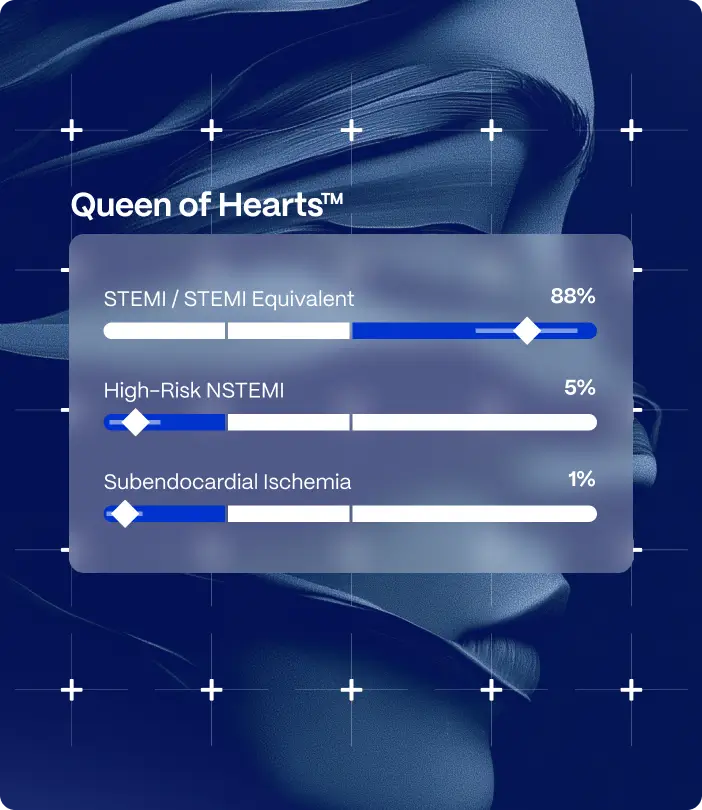
AI Confidence Score
Provides a probability-based confidence score to support clinical decision-making in borderline or ambiguous ECG cases.
Advanced Ischemia Classification
Classifies STEMI, high-risk NSTEMI, and subendocardial ischemia beyond traditional STEMI criteria.
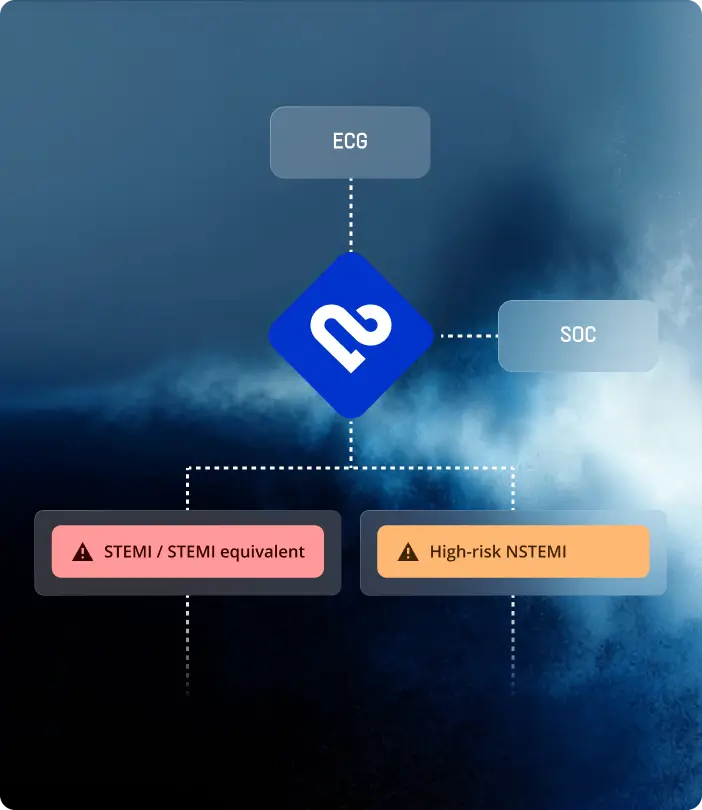
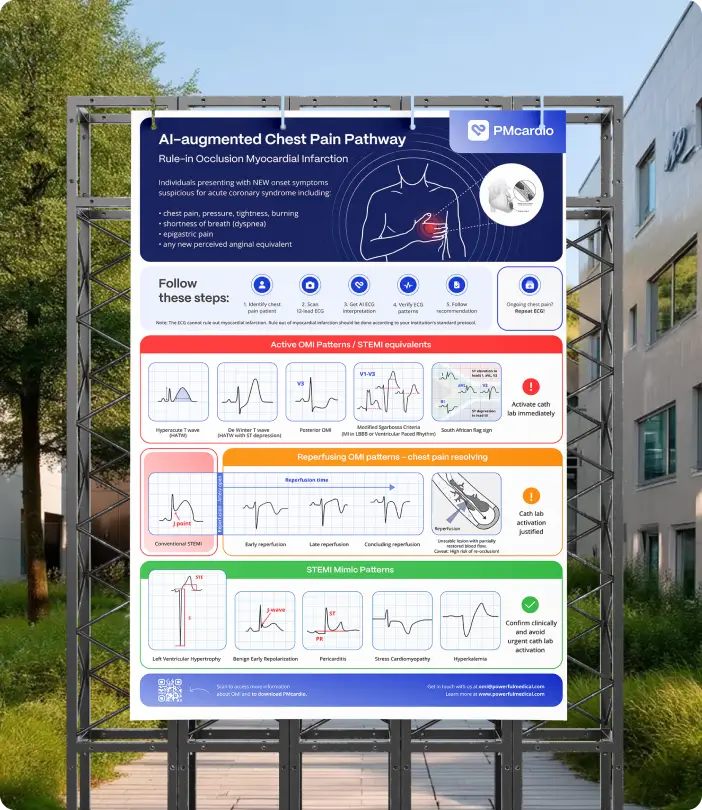
AI-Supported Chest Pain Triage
Enables earlier recognition of acute coronary occlusion at first medical contact, helping reduce time to reperfusion.
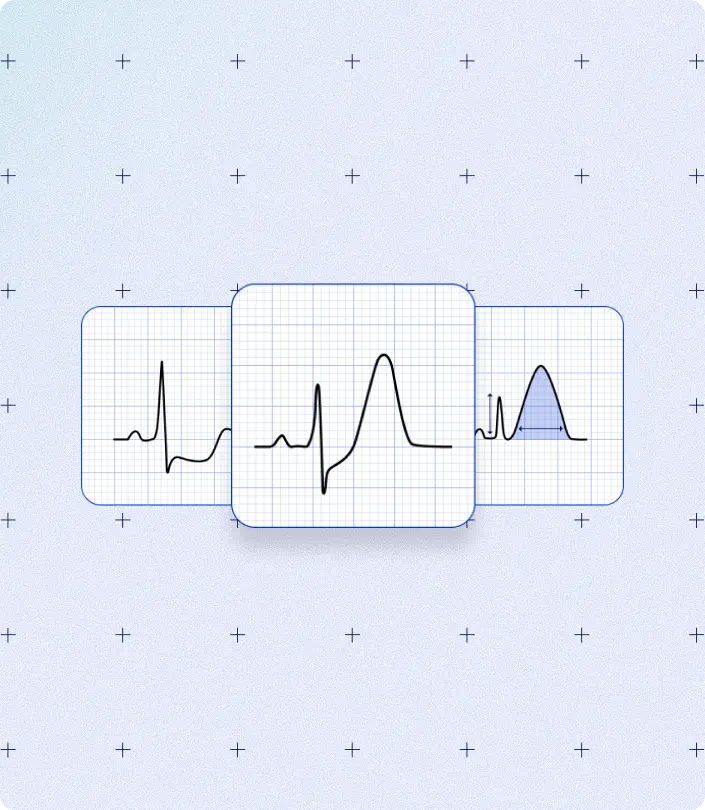
Detection of STEMI Equivalents
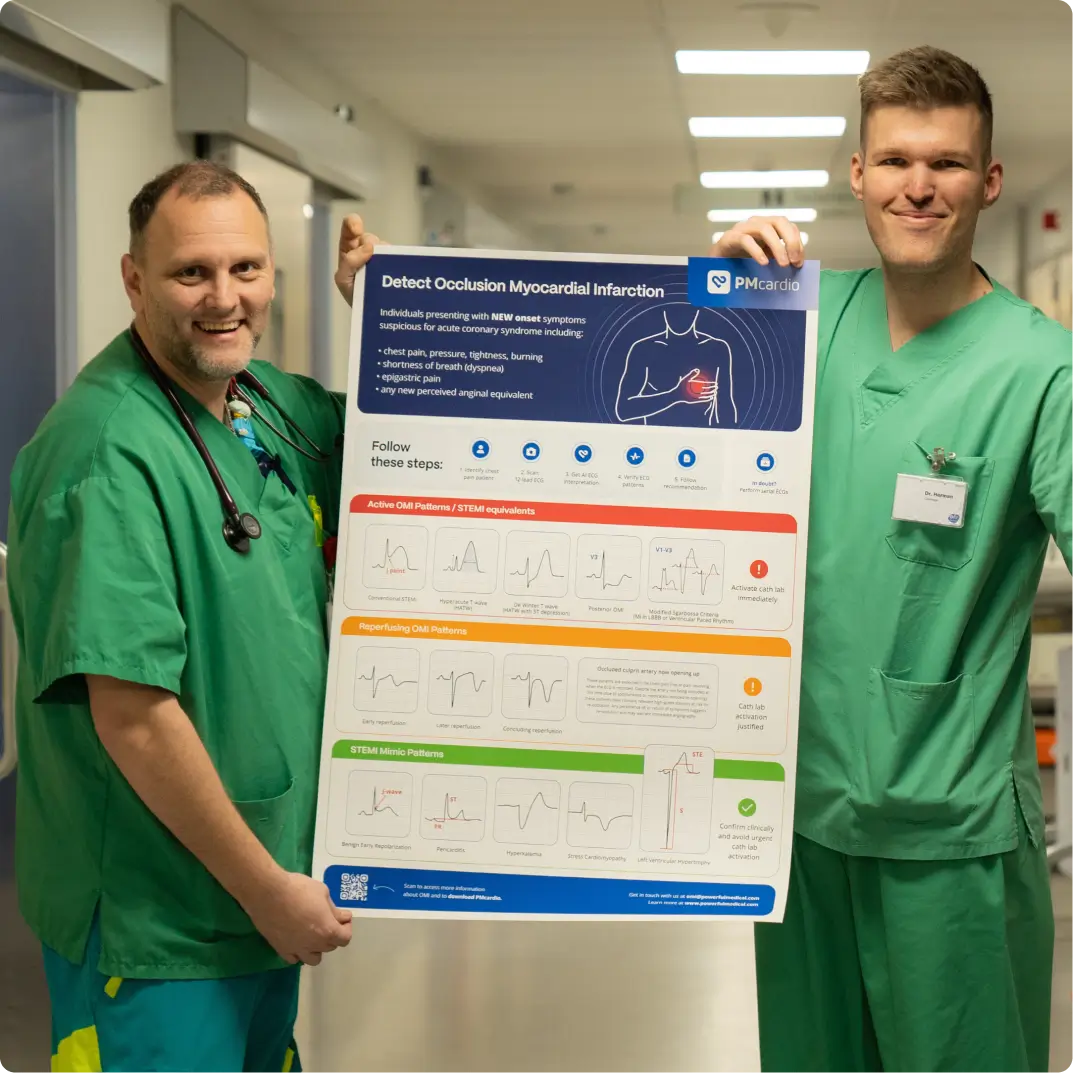
Identifies high-risk ischemic ECG patterns such as hyperacute T-waves, posterior STEMI infarctions, and de Winter patterns.
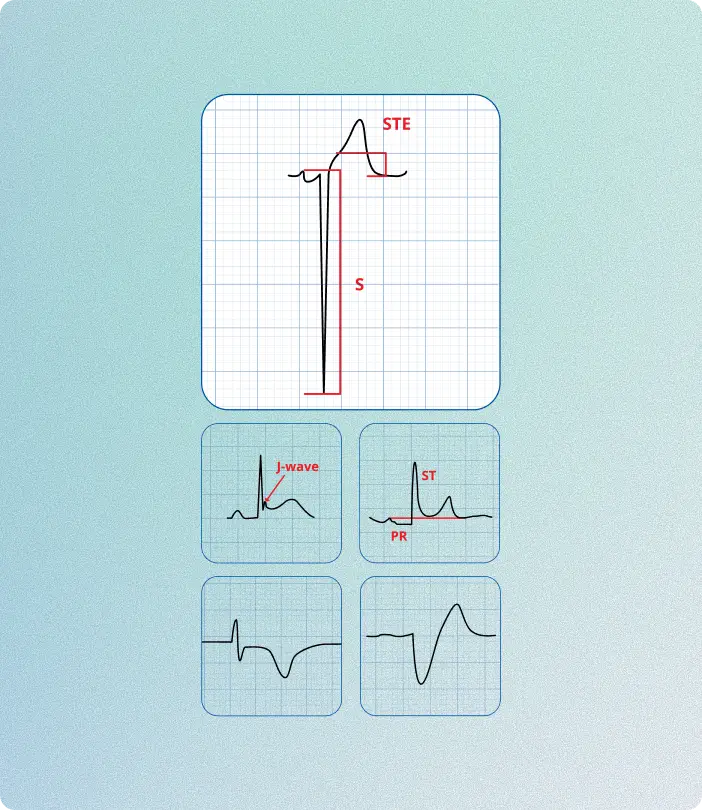
Differentiation of STEMI Mimics
Helps distinguish true coronary occlusion from common STEMI mimics such as LVH, early repolarization, and pericarditis.

“AI-Based ECG Analysis Significantly Improves STEMI Detection, Reduces False Activations.”
- ACC News Story, Oct 28, 2025
Why 100,000+ clinicians trust
Queen of Hearts
AI each month
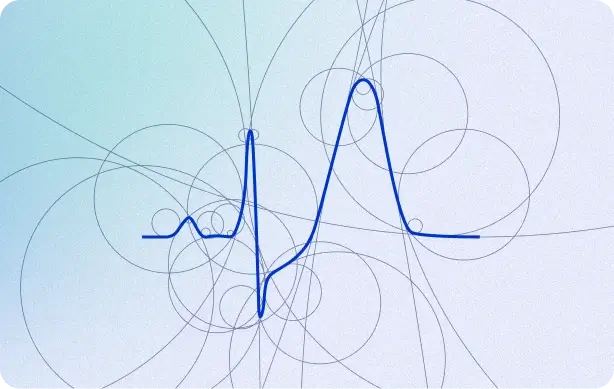
Beyond STEMI Criteria
Unlike traditional algorithms based on fixed ST-elevation thresholds, Queen of Hearts analyzes the full ECG waveform using deep neural networks to detect subtle patterns of acute coronary occlusion.
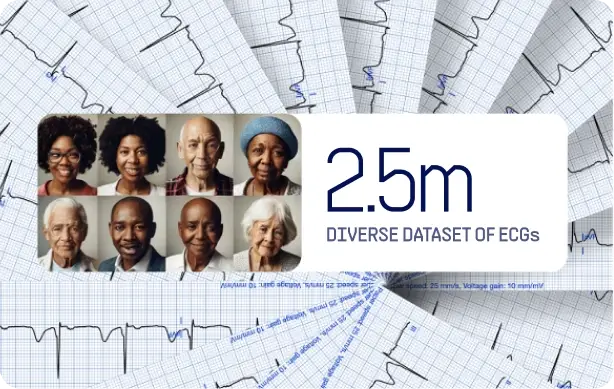
Trained on Millions of ECGs
The model is trained on millions of ECGs from an ethnically and racially diverse dataset, enabling robust performance across different patient populations, ECG patterns and subgroups like patients with Left Bundle Branch Block.
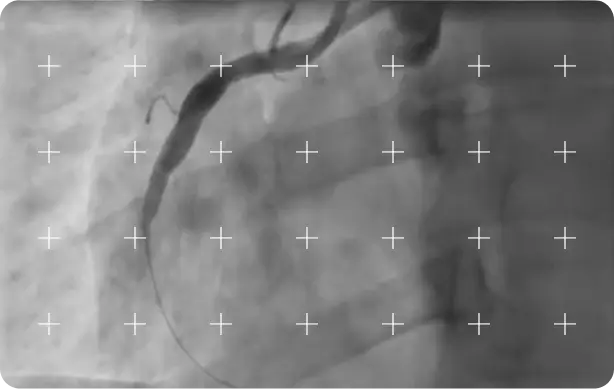
Angiography-Based Ground Truth
Training labels are based on coronary angiography and laboratory testing confirming the presence or absence of acute myocardial infarction due to an acute culprit vessel occlusion, not ECG interpretation alone.

Trained by Experts
Built with expert-curated insights from, paramedics, emergency physicians and cardiologists specializing in occlusion myocardial infarction detection for 30+ years.
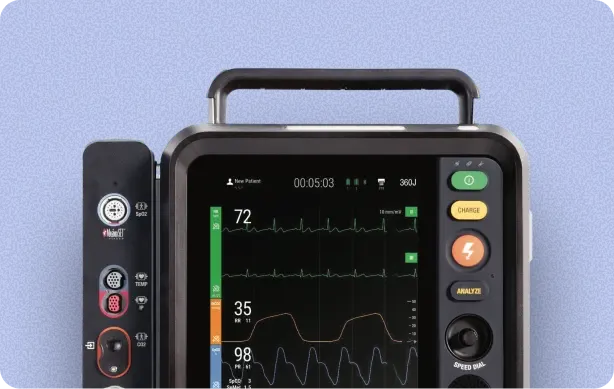
Works in Any Environment
Queen of Hearts is designed and validated to accurately analyze standard 12-lead ECGs across a wide range of devices used in pre-hospital EMS, emergency departments, and hospital settings.
Certified and Fixed Model
Queen of Hearts is an FDA-authorized, CE-certified, fixed (locked) clinical algorithm that does not change or retrain during clinical use, ensuring consistent, reproducible performance and regulatory compliance.
Validated in Real-World Practice
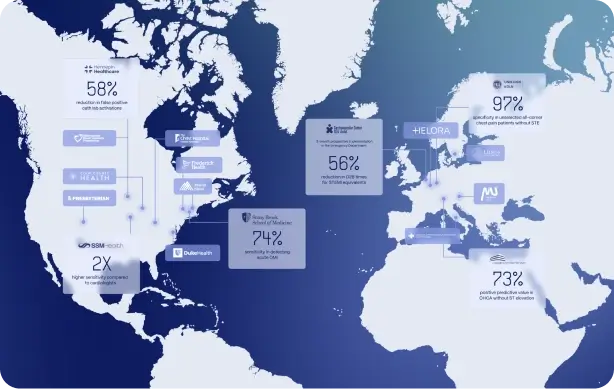
The Queen of Hearts has been validated and implemented in 50+ health systems world-wide and shows strong performance compared to Standard of Care.
Prospective Clinical Trials Advancing Acute
Cardiovascular Care
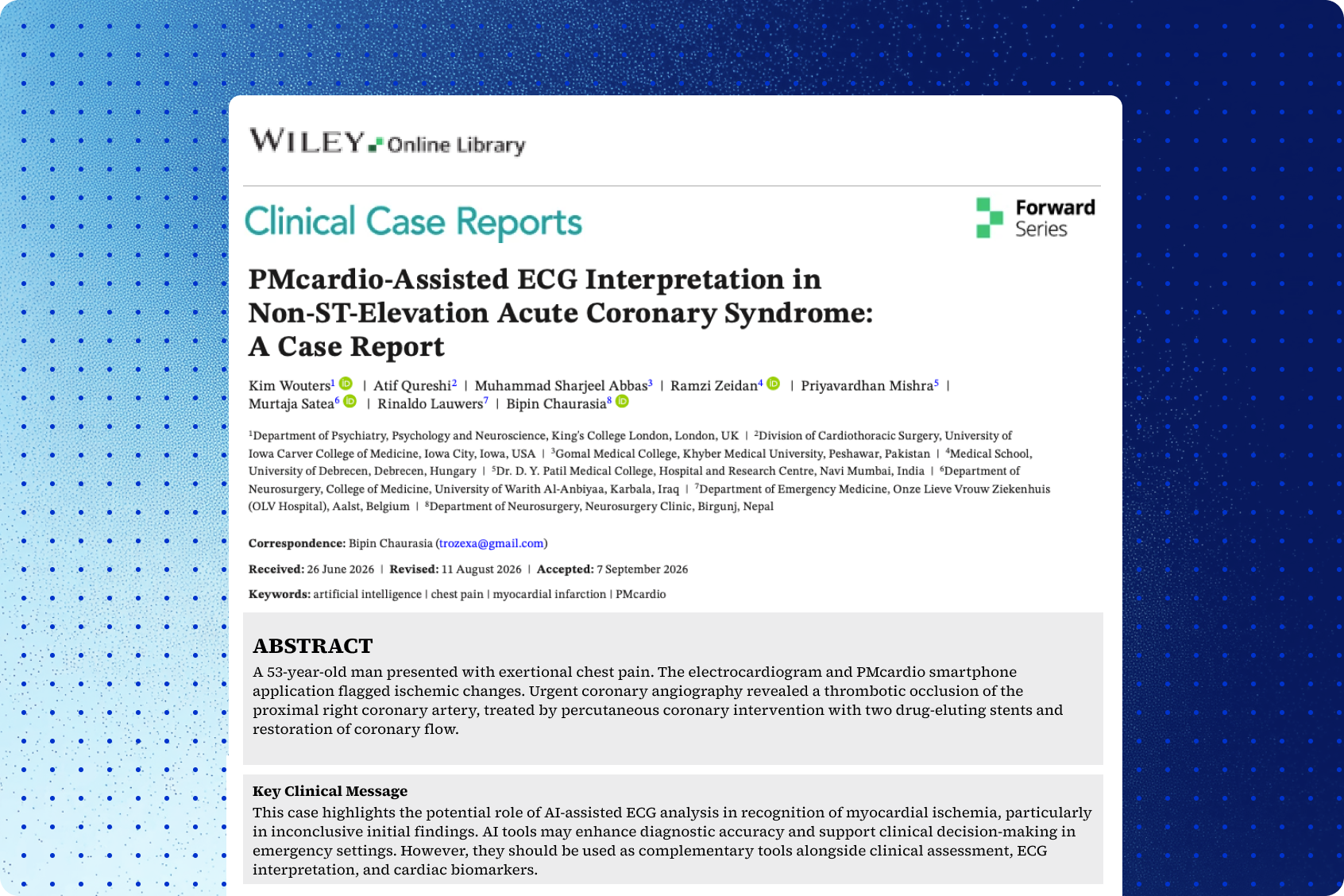
Backed by more than 70 peer-reviewed publications, PMcardio continues to advance clinical research to improve the diagnosis and management of acute cardiovascular care worldwide.
TITAN OMI RCT
Evaluate whether real-time AI-assisted ECG interpretation (Queen of Hearts) improves early diagnosis and treatment of OMI in suspected ACS patients without typical STEMI.

Marco Valgimigli Interventional Cardiologist
- Sample size: 500
- Recruitment start: August 2025
- Status: Recruiting
DIFOCCULT-3 RCT
Tests whether the OMI/Non-OMI paradigm supported by AI ECG improves clinical outcomes (1-year mortality) compared with the traditional STEMI/NSTEMI paradigm.

Emre K. Aslanger Interventional Cardiologist
- Sample size: 6000
- Recruitment start: October 2024
- Status: Active, recruiting completed
AI ECG TIMI STUDY
Prospectively evaluates Queen of Hearts detection of active coronary occlusion (TIMI 0–1) and associated ECG patterns of acute myocardial infarction.

Robert Herman Cardiovascular researcher
- Sample size: 709
- Recruitment start: December 2024
- Status: Active, recruiting completed

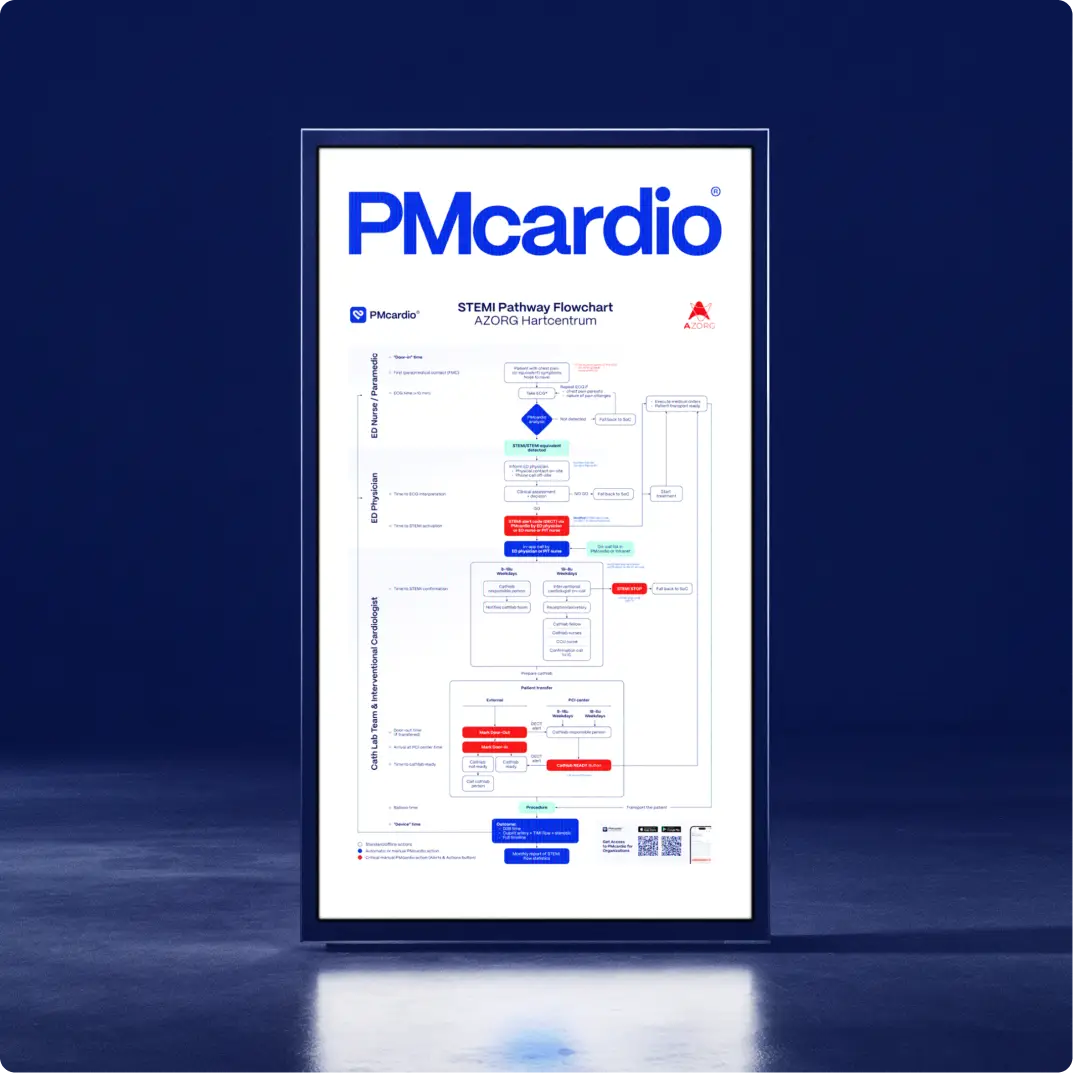
AZORG STEMI AI
Evaluates the impact of implementing a CE-certified smartphone-based AI platform for ECG interpretation and triage of occlusion myocardial infarction.

Adriaan Wilgenhof Interventional Cardiologist
- Sample size: 8000
- Recruitment start: January 2023
- Status: Completed
Real-World Cases where Queen of Hearts Helped Saved a Life

“After integrating PMcardio, we noticed a clear drop in false cath lab activations. The AI accurately flags occlusions while minimizing noise, which has saved time, resources, and spared patients unnecessary procedures.”
FDA De Novo Authorized
FDA Breakthrough Device Designation
MDR CE Marked as Class IIb Device
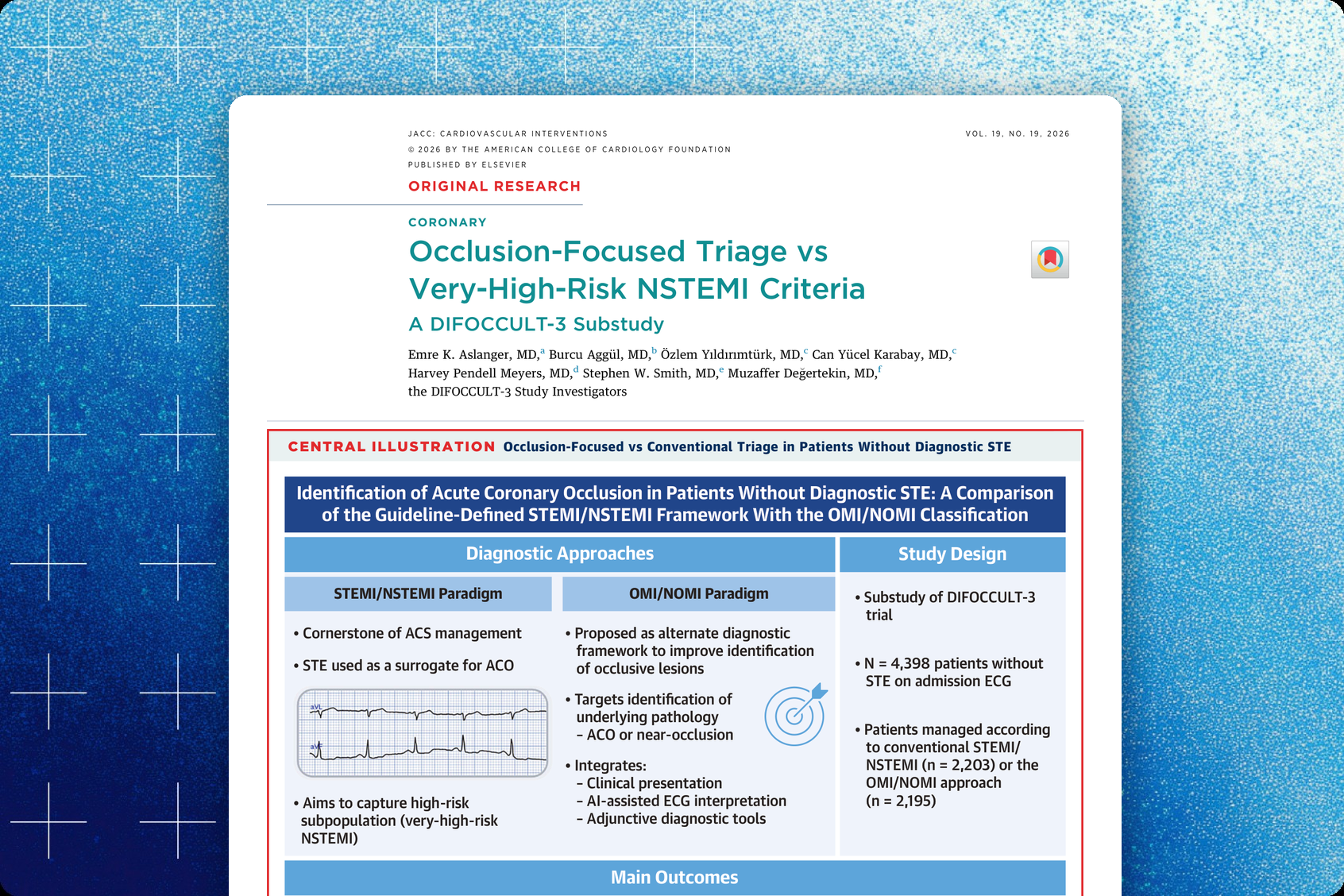
Clinical Workflow Integration
Queen of Hearts is one of the most extensively validated AI ECG models in cardiovascular care and is already used by more than 50 health systems as part of their STEMI protocols, supporting clinical decision-making in patients with suspected acute myocardial infarction.
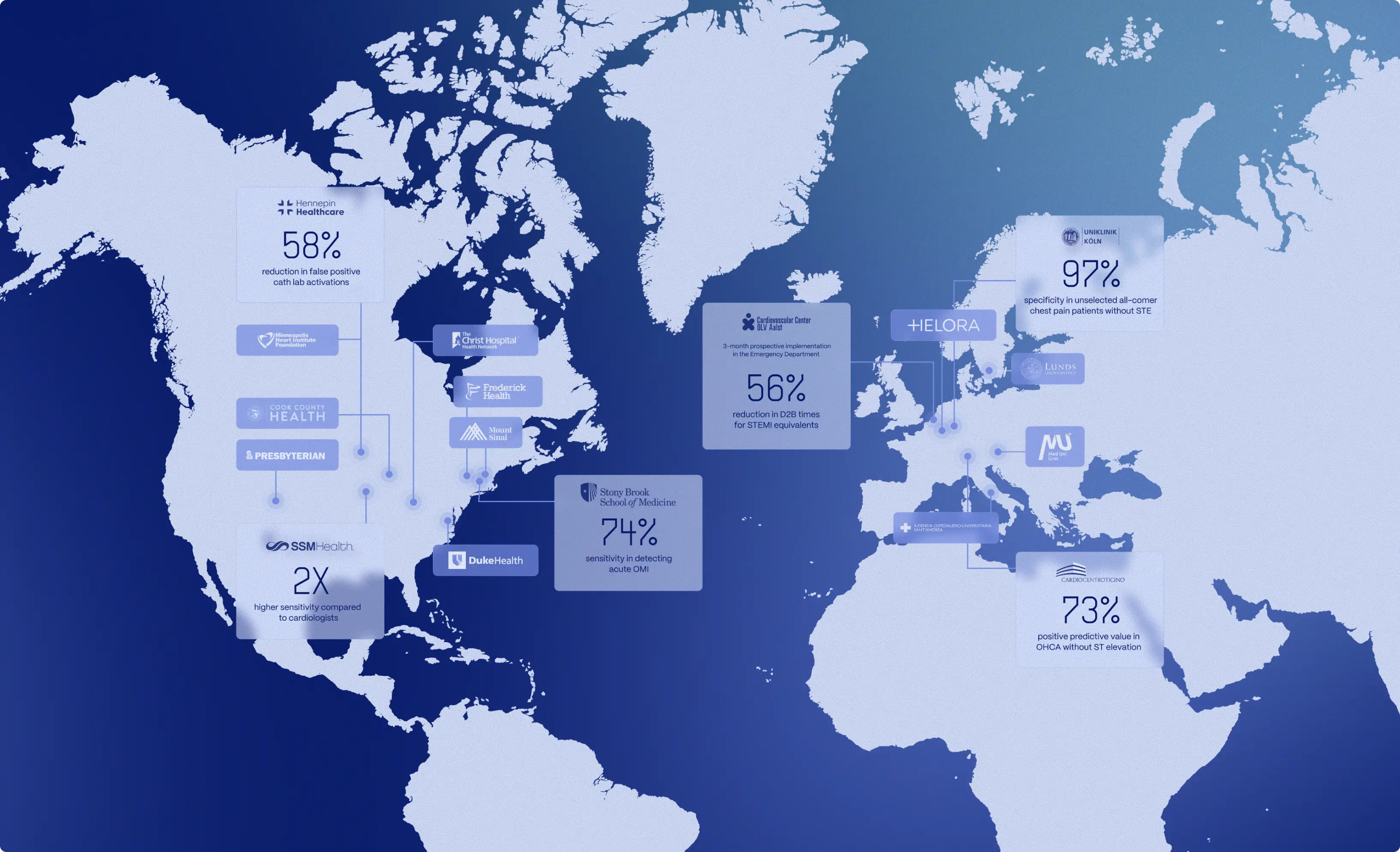
Used by more than 150 hospitals leveraging AI to streamline cardiac care and improve patient outcomes.


Frequently Asked Questions
What is Queen of Hearts™ (QoH) AI?
Queen of Hearts (QoH) is a clinically validated AI ECG model designed to accurately distinguish true STEMI (requiring emergent cathlab activation) from common mimics such as benign early repolarization (BER) and left ventricular hypertrophy (LVH). It was trained on a global dataset comprising millions of ECGs from chest pain patients, with robust outcome labels based on biomarker rule-out or angiographically confirmed STEMI, including STEMI-equivalent patterns indicative of Occlusion Myocardial Infarction (OMI).
The Queen of Hearts™ (ACS AI ECG Module) is a CE-marked medical device under the EU MDR, certified for marketing in the European Union and the United Kingdom, and has received De Novo authorization from the U.S. Food and Drug Administration (FDA) for marketing in the United States. Not all features and functionality within the module may be available in your region.
Can I try out the Queen of Hearts™?
Yes, the Queen of Hearts is built into the PMcardio platform, available for individuals or institutions. Download the PMcardio app and get the Queen of Hearts AI interpretation on any image of a 12-lead ECG within seconds.
The Queen of Hearts™ (ACS AI ECG Module) is a CE-marked medical device under the EU MDR, certified for marketing in the European Union and the United Kingdom, and has received De Novo authorization from the U.S. Food and Drug Administration (FDA) for marketing in the United States. Not all features and functionality within the module may be available in your region.
Is the Queen of Hearts™ certified for clinical use?
Yes — in certain regions. Queen of Hearts is Class IIb medical device, CE-marked under the EU Medical Device Regulation (MDR) and certified for clinical use through the PMcardio platform.
In the United States, the Queen of Hearts™ (ACS AI ECG Module) has received De Novo authorization from the U.S. Food and Drug Administration (FDA) for marketing in the United States, following its earlier FDA Breakthrough Device Designation. Other modules of the PMcardio platform do not carry that authorization and remain investigational in the US. Not all features and functionality may be available in your region.
For more information on regulatory status and compliance, please visit our Trust center.
Has the Queen of Hearts™ been clinically tested and validated?
Yes. The Queen of Hearts AI model is one of the most clinically validated cardiovascular AI tools to date, having undergone rigorous testing across diverse patient populations. It has been evaluated in thousands of real-world cases across North and South America, Europe, Asia, Australia, and Africa.
Key highlights from validation studies involving over 10,000 patients:
- 2× higher sensitivity than traditional criteria and standard-of-care interpretation
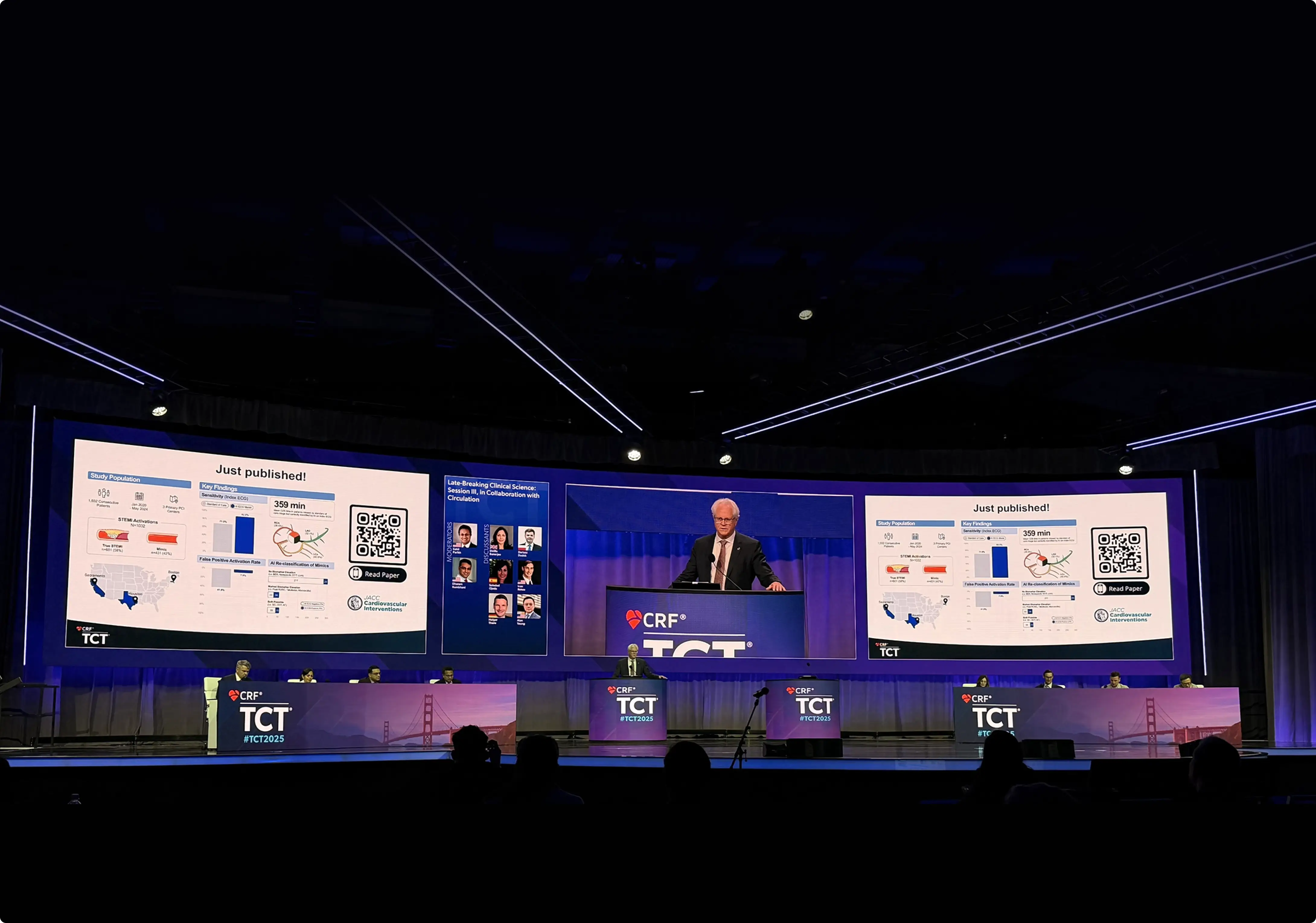
- 92% reduction in false-positive cath-lab activations due to common STEMI mimics (JACC: Cardiovascular Interventions, presented at TCT)
- 100% sensitivity for STEMIs that meet standard STEMI criteria
- Average of 48 minutes saved in door-to-balloon times following implementation
Beyond observational data: Queen of Hearts is currently the focus of multiple prospective clinical trials and randomized controlled studies (RCTs). These are being conducted across a range of clinical settings — including emergency departments, ambulance systems, and primary care — to further confirm its real-world impact, safety, and effectiveness.
Can I see how Queen of Hearts™ came to its conclusion? Is it explainable AI?
Yes. Powered by the exclusive ECGxplain™ feature, Queen of Hearts offers built-in AI explainability (blue heat maps).
The model highlights specific ECG leads and segments that had the greatest diagnostic influence and provides a confidence score for each prediction. This helps you understand the reasoning behind the output, making it easier to interpret.
Learn more about AI explainability here.
Who is liable if the AI makes a wrong call?
Queen of Hearts is a clinical decision support tool, not a standalone diagnostic system. Just like a lab value, guideline recommendation, or scoring system, it provides clinicians with evidence-based insights to support, not replace, their medical judgment.
The responsibility for final clinical decisions remains with the healthcare provider. Physicians are expected to consider the AI output in the broader context of each patient's clinical presentation, history, and other diagnostics.
Can the Queen of Hearts™ be used with serial ECGs or to monitor ischemia over time?
Re-running Queen of Hearts on serial ECGs helps detect evolving ischemia or dynamic changes. Currently, the AI model analyzes each ECG individually and does not yet compare serial ECGs over time.
However, in a recent study, Queen of Hearts identified 100% of STEMIs on the first ECG, compared to just 40% with traditional STEMI criteria — highlighting its ability to detect early signs of coronary occlusion even without serial input.
What is OMI and how is Queen of Hearts™ different from standard STEMI criteria?
The Queen of Hearts is built to detect Occlusion MI (OMI) — acute coronary occlusion that often does not meet the classic STEMI ST-elevation threshold and is therefore missed by traditional criteria. By recognising these STEMI-equivalent patterns, QoH flags patients who need emergent cath-lab activation sooner. In one study it identified 100% of STEMIs on the first ECG versus 40% with traditional criteria.
LVsense
Rapid assessment of left ventricular (LV) systolic function — directly from a 12-lead ECG.

Core AI
Comprehensive ECG analysis — rhythms, conduction abnormalities, blocks, hypertrophies, and interval measurements.