
Powerful Medical Receives €40 Million IPCEI Grant — read the full story

Powerful Medical
18. December 2024

Advanced STEMI Detection and Improved Cath Lab Activation through ECG Transmission and Notifications
Accurate interpretation of 12-lead electrocardiograms (ECGs) is crucial in the timely management of acute coronary syndromes (ACS). Inconsistent recognition of subtle yet significant ECG patterns can lead to delays in treatment or unnecessary interventions1. This is particularly challenging in acute myocardial patients with spontaneous recanalization of the culprit artery or post-treatment (mechanical reperfusion) changes2.

Ensuring timely and precise differentiation between active occlusion and reperfusion is essential for optimizing patient outcomes and resource allocation3. Patients who previously had active ischemia due to acute coronary occlusion, but now exhibit reperfusion and resolution of symptoms, may have less urgency for coronary intervention, although this remains dependent on clinical context and ongoing assessment..

By leveraging advanced AI technology, PMcardio addresses these diagnostic complexities, providing clinicians with actionable insights and enhancing decision-making in real time5.

Given its fast acquisition, the 12-lead ECG remains a cornerstone in the early detection of thrombotic acute coronary occlusion due to plaque erosion or rupture6. However, in approximately 30% of STEMI patients, spontaneous recanalization (TIMI-3 flow) occurs prior to coronary angiography.

Guidelines regarding the optimal timing for PCI in these patients with unstable lesions and partially restored blood flow remain unclear, particularly when this coincides with the resolution of chest pain. Thus differentiating these two states of the culprit coronary artery is essential for accurate diagnosis, optimal management and resource utilization.
Advanced STEMI Detection and Improved Cath Lab Activation through ECG Transmission and Notifications
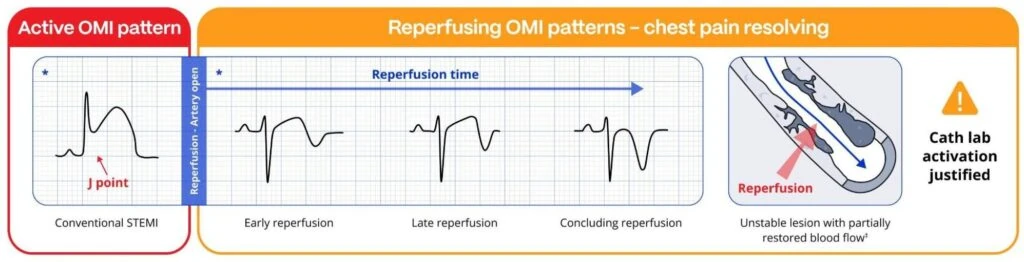
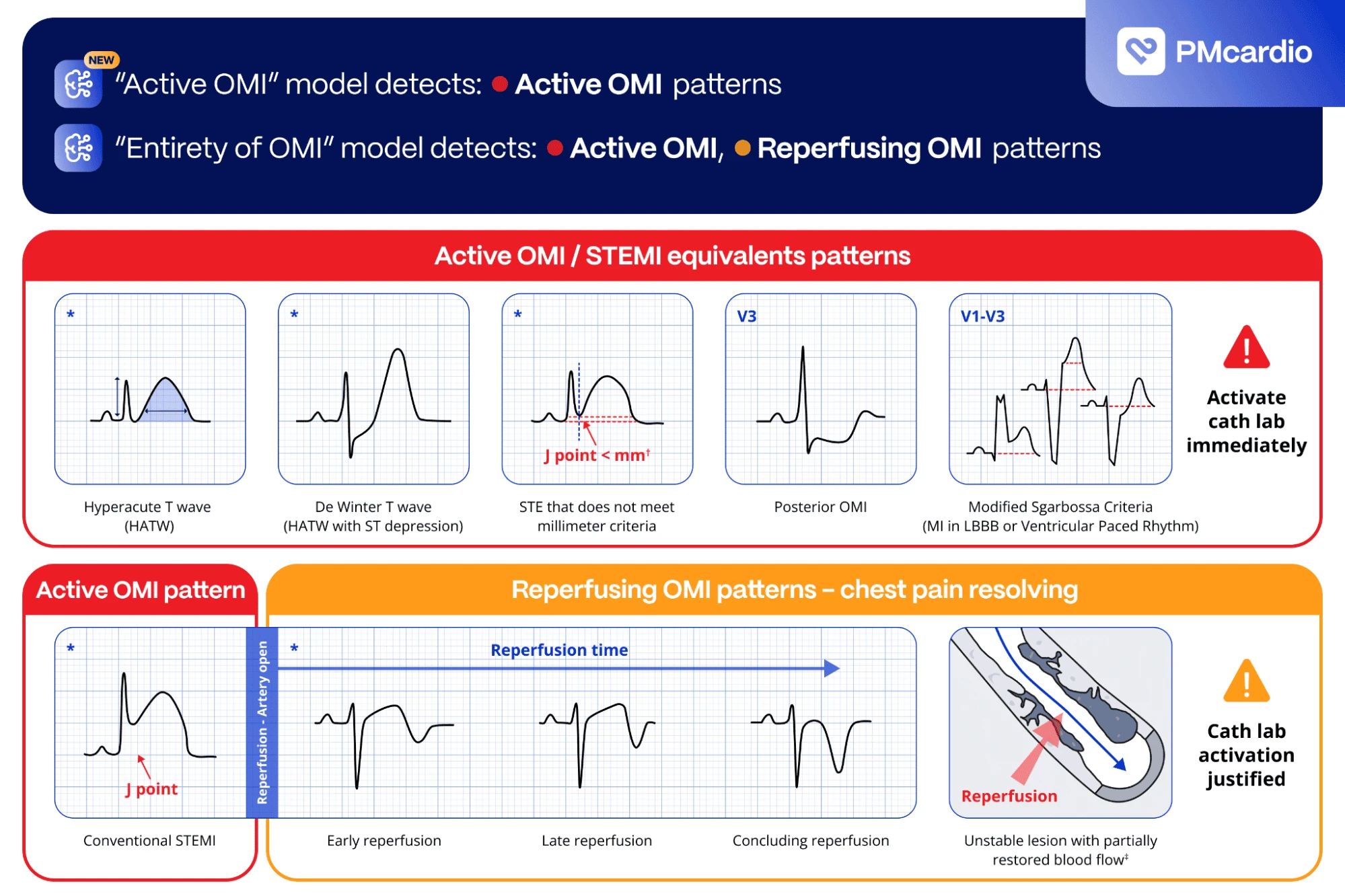
Patterns can be present in any leads based on infarct territory; †J point elevation in two contiguous leads that does not meet strict STEMI criteria; ‡Caveat: High risk of re-occlusion!

To address these complexities, we have refined our AI-based ECG interpretation tool to provide more granularity in ECG analysis of acute myocardial infarction. By integrating the newest version of the STEMI AI ECG Model within an innovative Acute Coronary Syndrome (ACS) Pathway, PMcardio empowers healthcare providers to tailor management strategies for these patients with precision and efficiency.

Three Key Output States of the PMcardio Module

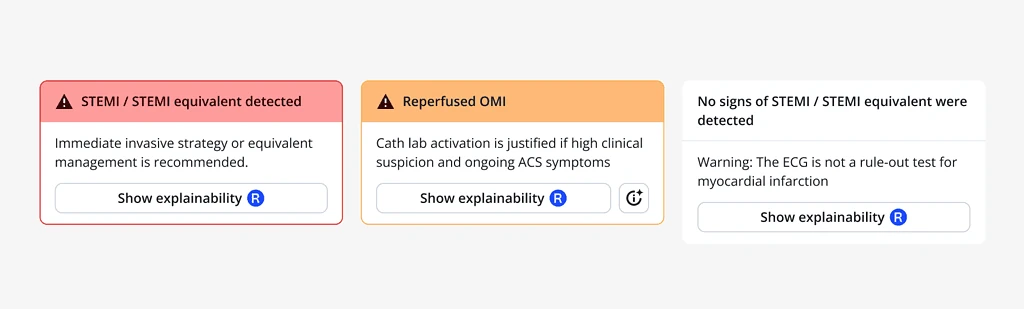
The PMcardio ACS Module categorizes ECG findings into three actionable states:

1. STEMI / STEMI Equivalent

Also called “Active OMI”, this state indicates active coronary occlusion at the time of the ECG recording. The AI model identified STEMI meeting formal millimeter criteria and STEMI-equivalent patterns suggestive of ongoing arterial blockage, such as hyperacute T-waves (HATW), De Winter T-waves, posterior STEMI patterns, and Modified Sgarbossa Criteria in LBBB or ventricular paced rhythms.

Immediate invasive strategies, such as primary PCI, are recommended in line with current clinical guidelines. In accordance with the European Society of Cardiology (ESC) guidelines, primary PCI should be performed promptly in patients with ST-segment elevation myocardial infarction, ideally within 90 minutes, and 120 minutes of first medical contact if non-PCI center is involved.7

2. Reperfused OMI

This output state reflects an artery that was recently acutely occluded (STEMI / STEMI equivalent) but has since reopened. Clinical presentations often align with resolution of chest discomfort or its equivalent. The model’s ability to detect reperfusion patterns enables clinicians to differentiate between active occlusion and reperfusion states, better informing the clinician of the optimal timing for interventions.

Wellens syndrome is a classic example of an anterior reperfusion pattern, characterized by biphasic or deeply inverted T-waves in the precordial leads (typically V2-V3)8. These findings may indicate spontaneous reperfusion but carry a high risk of re-occlusion if left untreated. PMcardio’s AI can differentiate between the currently reperfused state and active blockage, enabling clinicians to act decisively based on the specific clinical context.

3. No signs of Occlusive Myocardial Infarction

While no active OMI or STEMI equivalent is detected, the absence of findings does not rule out myocardial infarction. Patients should undergo further evaluation, including serial ECG and troponin testing, to confirm or exclude acute myocardial infarction if suspicion of ACS is present.
Advanced STEMI Detection and Improved Cath Lab Activation through ECG Transmission and Notifications
Three Key Output States of the PMcardio Module

Enhancing Clinical Decision-Making with Explainability and Customization

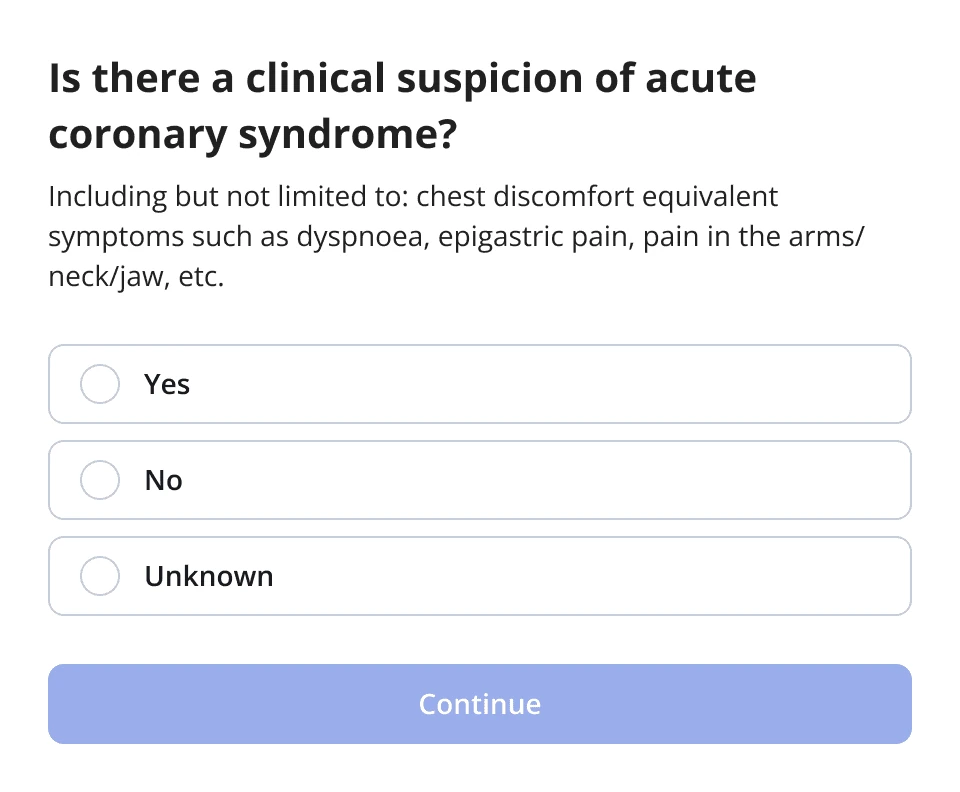
The PMcardio platform provides explainability for each positive AI-generated output, ensuring that clinicians can understand the rationale behind the model’s predictions. Additionally, the ACS Pathway allows institutions to customize management protocols, aligning with their unique workflows and clinical guidelines.
Advanced STEMI Detection and Improved Cath Lab Activation through ECG Transmission and Notifications

The Role of Reperfusion Patterns in Diagnosis and Management

Reperfusion patterns on the ECG, such as terminal T-wave inversions seen in Wellens syndrome, provide critical clues to the patient’s clinical trajectory. These patterns often emerge during pain-free intervals and can indicate either spontaneous or intervention-related reperfusion8. Recognizing these patterns and distinguishing them from active occlusion is crucial for preventing unnecessary interventions while ensuring timely care for patients at risk of re-occlusion.

By distinguishing between active occlusion, reperfusion, and old myocardial infarction patterns, the PMcardio platform equips healthcare providers with the tools to:

  • Improve diagnostic accuracy
  • Expedite time-to-treatment (E2B times)
  • Avoid unnecessary cath lab activations
  • Ensure effective microvascular reperfusion after intervention

Bridging the Gap in ACS Management

PMcardio’s enhanced capabilities represent a significant advancement in the management of ACS. The platform supports clinicians in delivering optimal care for patients with both classic STEMI presentations and more nuanced equivalent patterns. This innovation aligns with our commitment to improving health equity and ensuring that every patient receives timely and accurate diagnosis and treatment.

Advanced STEMI Detection and Improved Cath Lab Activation through ECG Transmission and Notifications

Optimize STEMI patient pathway with certified AI

The impact of PMcardio at the Cardiovascular Centre Aalst, Belgium:

Advanced STEMI Detection and Improved Cath Lab Activation through ECG Transmission and Notifications

Introducing STEMI Team Notification Functionality

Timely intervention is the single most important predictor of survival in STEMI patients. According to international guidelines, patients presenting with chest pain should have their ECG interpreted for signs of STEMI within 10 minutes of first medical contact9. Furthermore, STEMI patients should be referred to a primary PCI-capable center and have their occluded artery reopened within 90 minutes to maximize survival outcomes9.

However, these critical timeframes are often not met. Studies show that only 17% of STEMI patients presenting to non-cardiac centers receive treatment within guideline-compliant windows 10. The challenges stem from delayed identification of STEMI equivalents at the first point of contact, compounded by barriers to efficient ECG transmission and streamlined team activation.

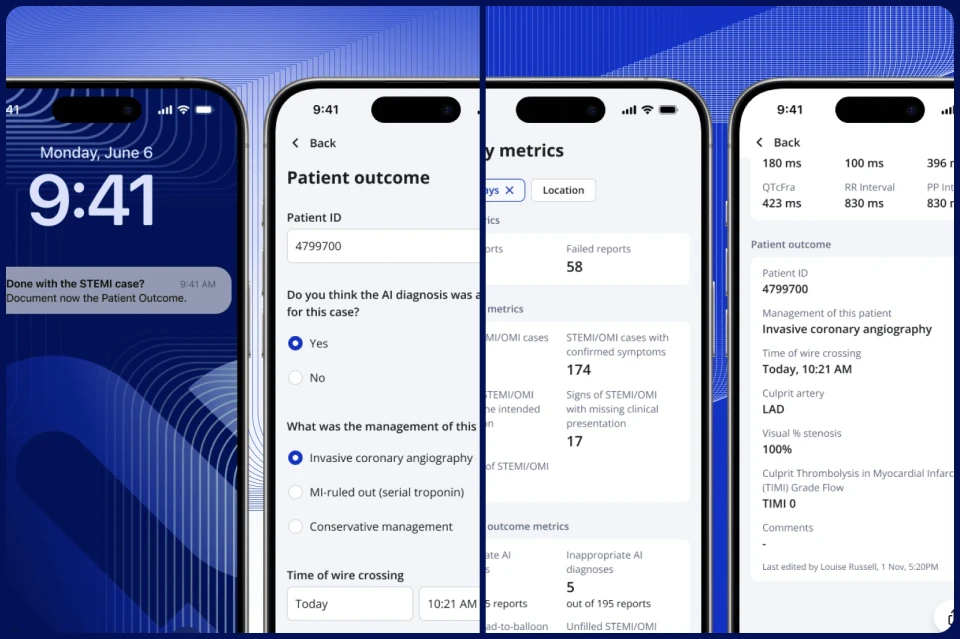
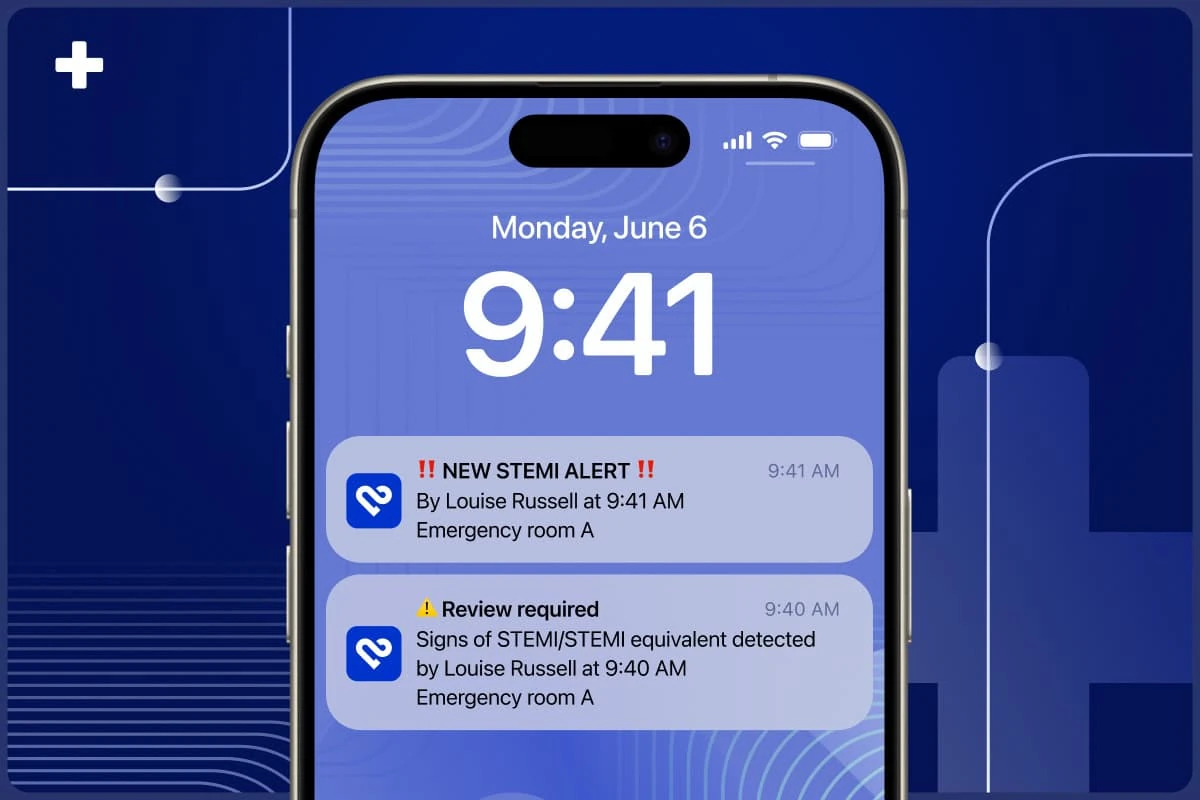
PMcardio’s STEMI Team Notification Functionality streamlines communication and accelerates care delivery through manual and automatic alerts. Manual notifications empower nurses and ED physicians to notify downstream clinicians, like interventional cardiologists, about critical cases via customizable SMS, email, or push notifications. Automatic notifications, triggered by PMcardio’s STEMI detection, eliminate human intervention, ensuring rapid alerts in high-volume ECG environments while integrating seamlessly into hospital workflows.

During on-call hours, when cardiologists may struggle to locate a patient’s ECG or make cath lab activation decisions with incomplete data, PMcardio provides immediate access to the patient’s ECG, diagnosis, and other key details. With a single click, clinicians can access the full report and take the necessary steps, whether activating the team or issuing a STEMI stop alert, ensuring swift and informed decision-making.

By closing communication gaps and optimizing team coordination, PMcardio’s STEMI notifications align care with guideline-recommended timeframes, improving survival outcomes when every minute matters. From its clinical implementation at the Cardiovascular Center Aalst, PMcardio has demonstrated its ability to reduce false-positive STEMI alerts by 67%, significantly improving accuracy and resource allocation. Furthermore, it has been shown to reduce time to PCI through faster downstream STEMI team activation by 30% for typical STEMI cases, and by over 80% in STEMI equivalents.

Advanced STEMI Detection and Improved Cath Lab Activation through ECG Transmission and Notifications

PMcardio’s STEMI Team Notification streamlines communication and accelerates care with manual and automatic alerts. Nurses and ED physicians can manually notify clinicians via SMS, email, or push notifications.

Automatic alerts triggered by STEMI detection ensure rapid, seamless communication, enhancing workflow efficiency in high-volume ECG settings.

Case Example: Differentiating STEMI/STEMI Equivalent and Reperfused OMI

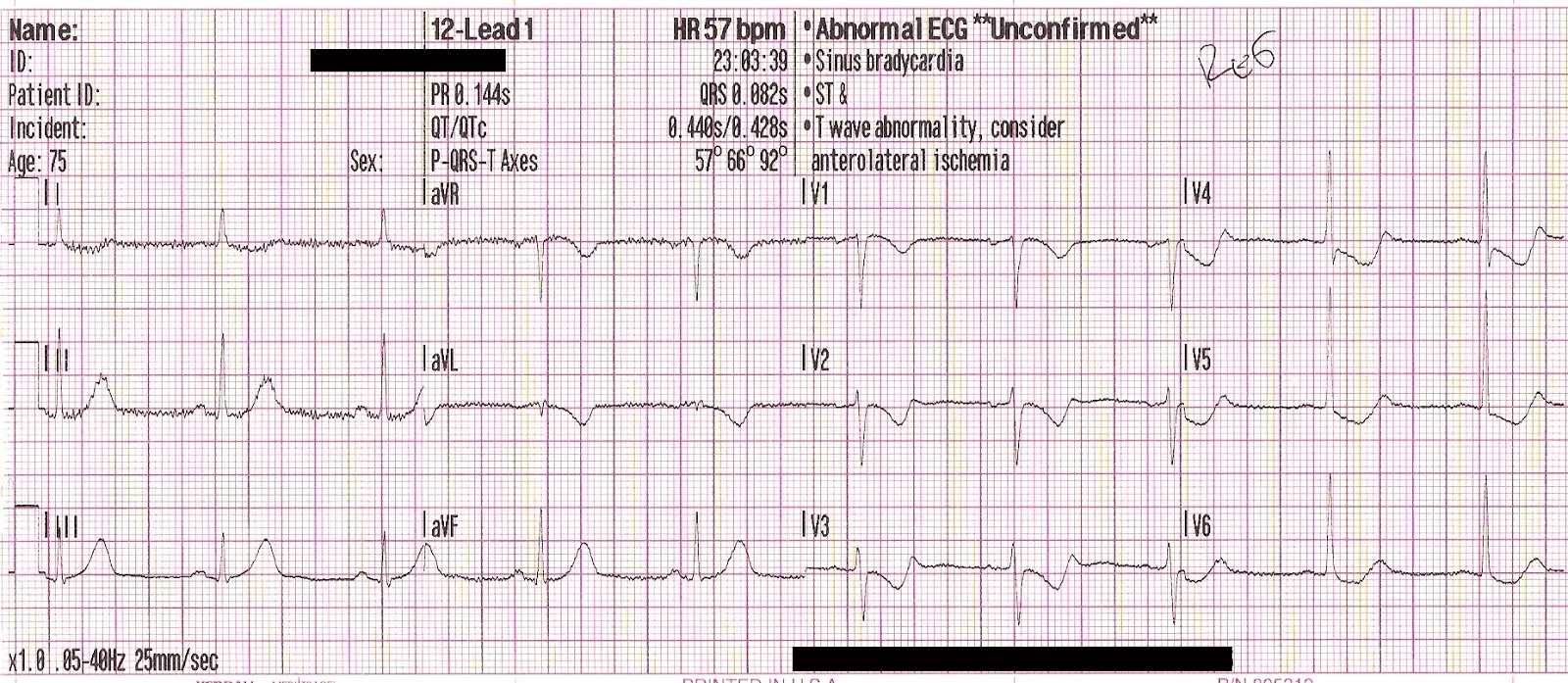
A male patient with acute chest pain and shortness of breath contacted Emergency Medical Services (EMS), and the following ECG was recorded by paramedics on scene:

ECG1:
Advanced STEMI Detection and Improved Cath Lab Activation through ECG Transmission and Notifications
Figure Note: This ECG demonstrates findings consistent with active occlusion, including hyperacute T waves in the inferior leads and ST depression maximal in V3-V4, indicative of posterior involvement. Notably, these changes occur in the absence of classic STEMI criteria. If an angiogram were performed at this moment, it would likely reveal little or no flow in the culprit vessel supplying the inferoposterior walls.

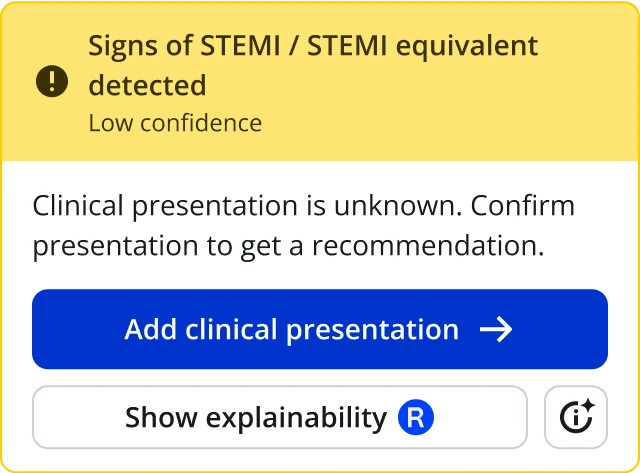
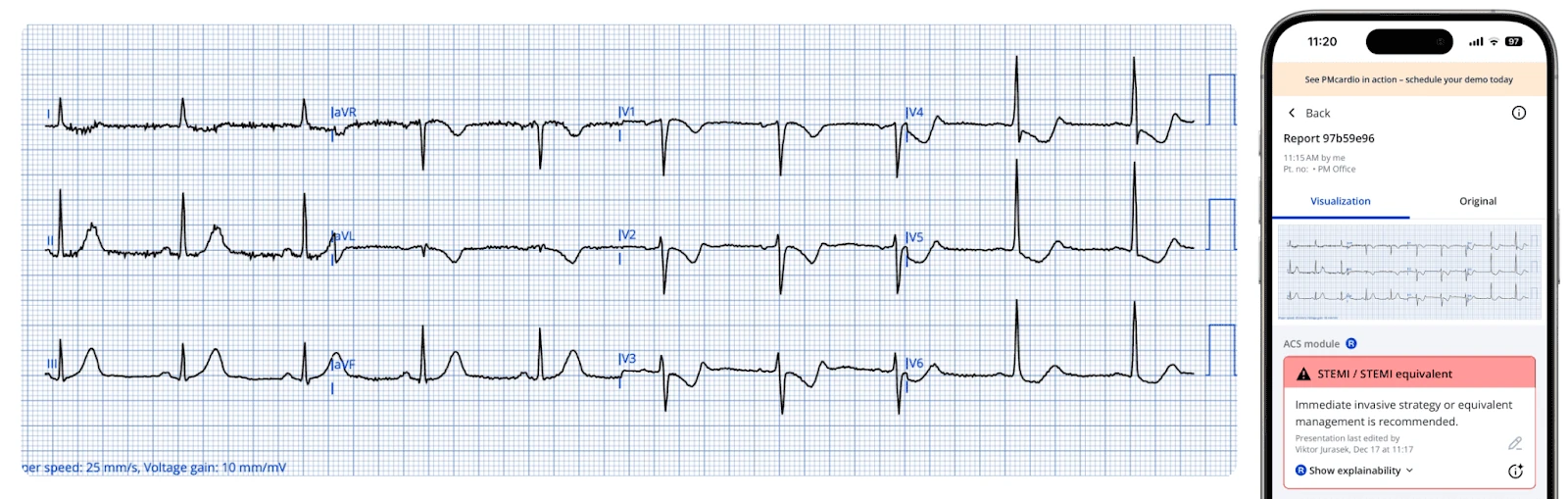
Below is the module result for this ECG, which correctly identifies STEMI/STEMI-equivalent findings consistent with active occlusion myocardial infarction.
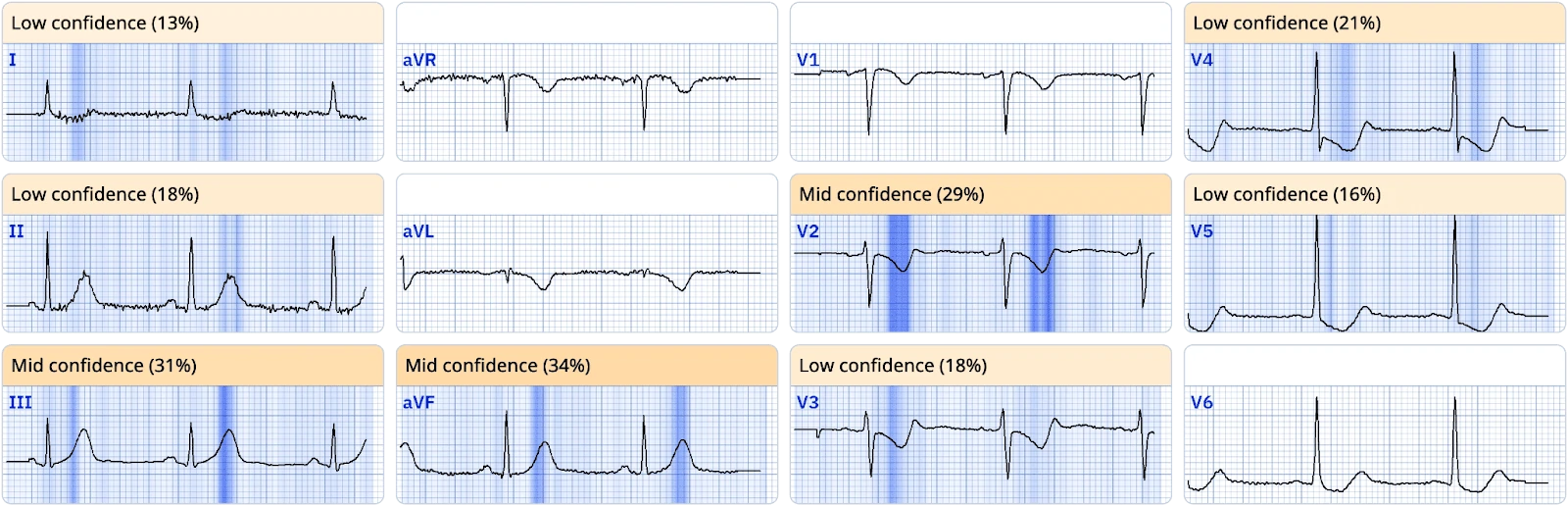
Advanced STEMI Detection and Improved Cath Lab Activation through ECG Transmission and Notifications
Figure Note: A digitized ECG displaying a diagnosis of STEMI/STEMI equivalent, as identified by the module.
Advanced STEMI Detection and Improved Cath Lab Activation through ECG Transmission and Notifications
Figure Note: Explainability feature – For every positive case, the explainability feature provides a heat map highlighting the ECG leads and areas of diagnostic importance. This visual tool offers transparency by allowing healthcare professionals to understand how the model arrived at its diagnostic decision. Beyond improving trust in AI-assisted tools, it serves as a valuable educational resource, supporting experiential learning. By reviewing real patient cases, clinicians can enhance their ECG interpretation skills and deepen their understanding of critical diagnostic patterns.

Paramedics promptly administered aspirin and nitroglycerin, resulting in rapid resolution of the patient’s chest pain. Serial ECGs (shown below) were recorded over the next 20 minutes during transport to the PCI center, with resolving pain.

ECG2:
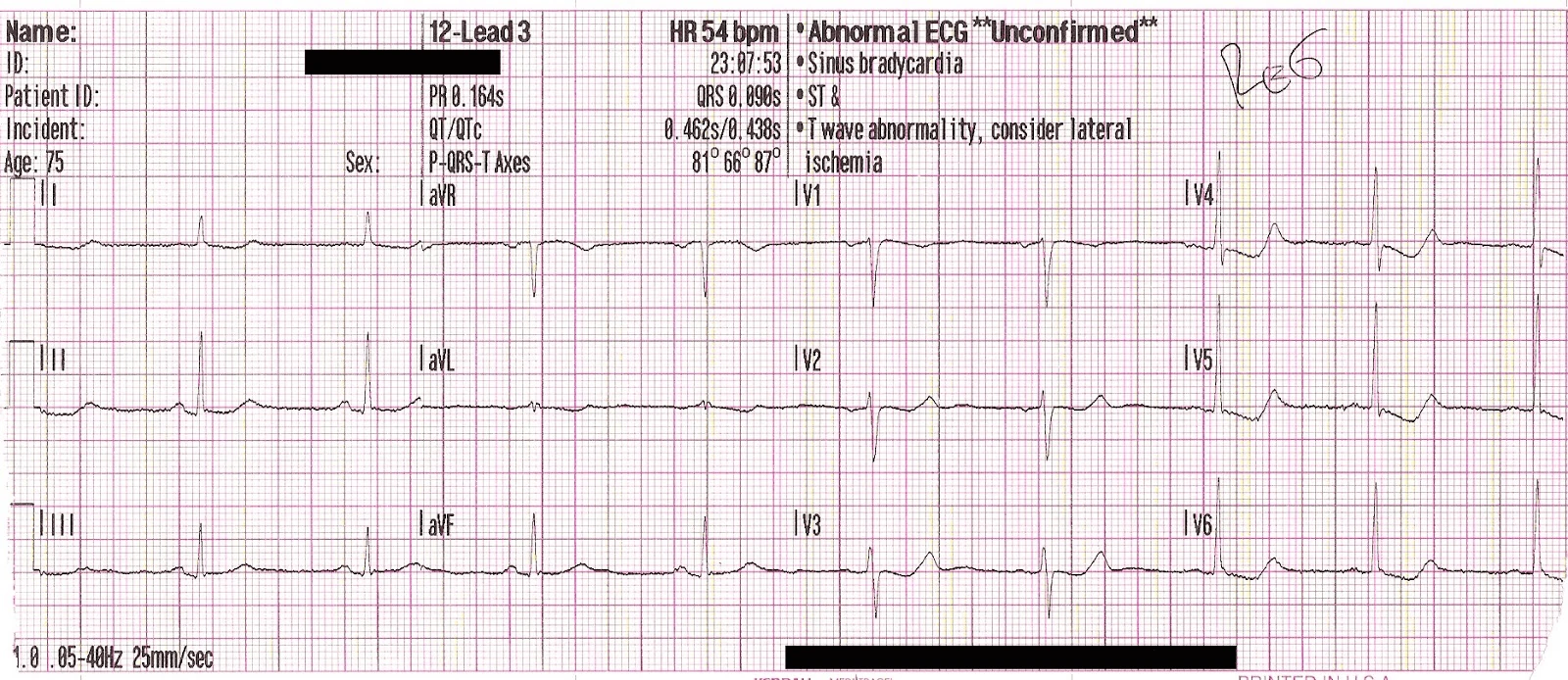
Advanced STEMI Detection and Improved Cath Lab Activation through ECG Transmission and Notifications

The inferior hyperacute T waves have resolved, and the ischemic ST depression in the precordial leads has shown some improvement.
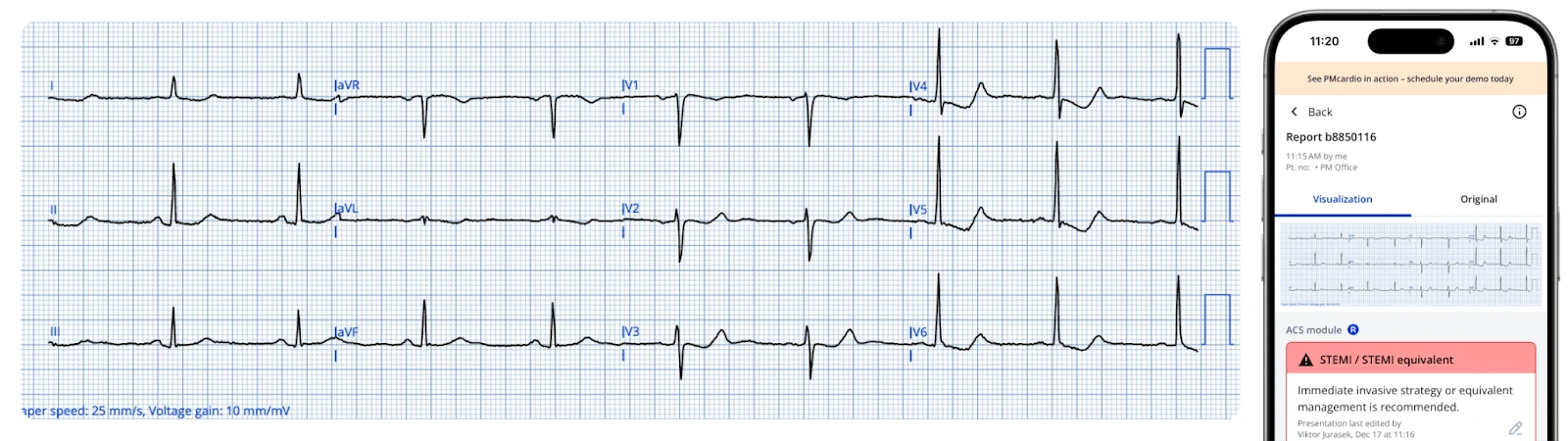
Advanced STEMI Detection and Improved Cath Lab Activation through ECG Transmission and Notifications
Figure Note: A digitized ECG displaying a diagnosis of STEMI/STEMI equivalent, as identified by the module.
Advanced STEMI Detection and Improved Cath Lab Activation through ECG Transmission and Notifications
Figure Note: Explainability feature showing a heat map of relevant diagnostic leads

ECG3:

Advanced STEMI Detection and Improved Cath Lab Activation through ECG Transmission and Notifications

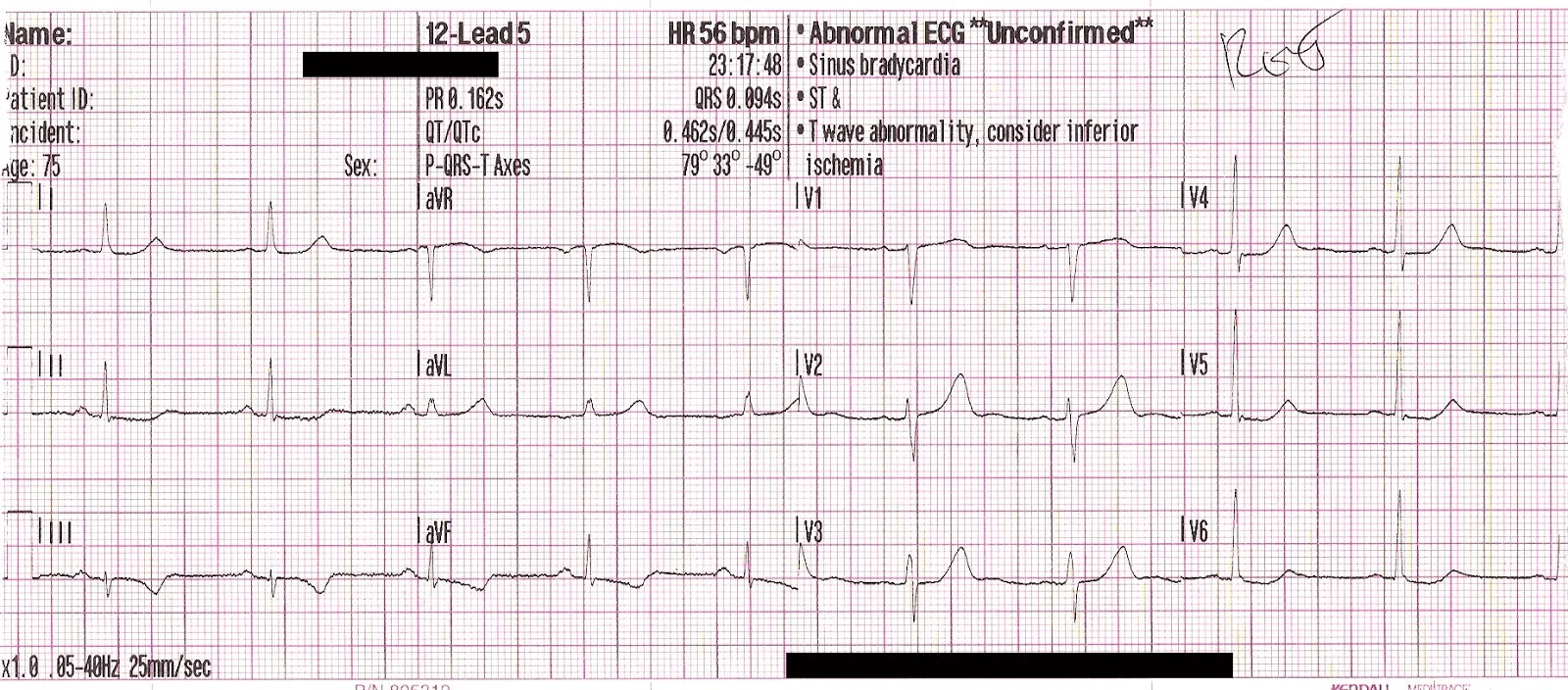
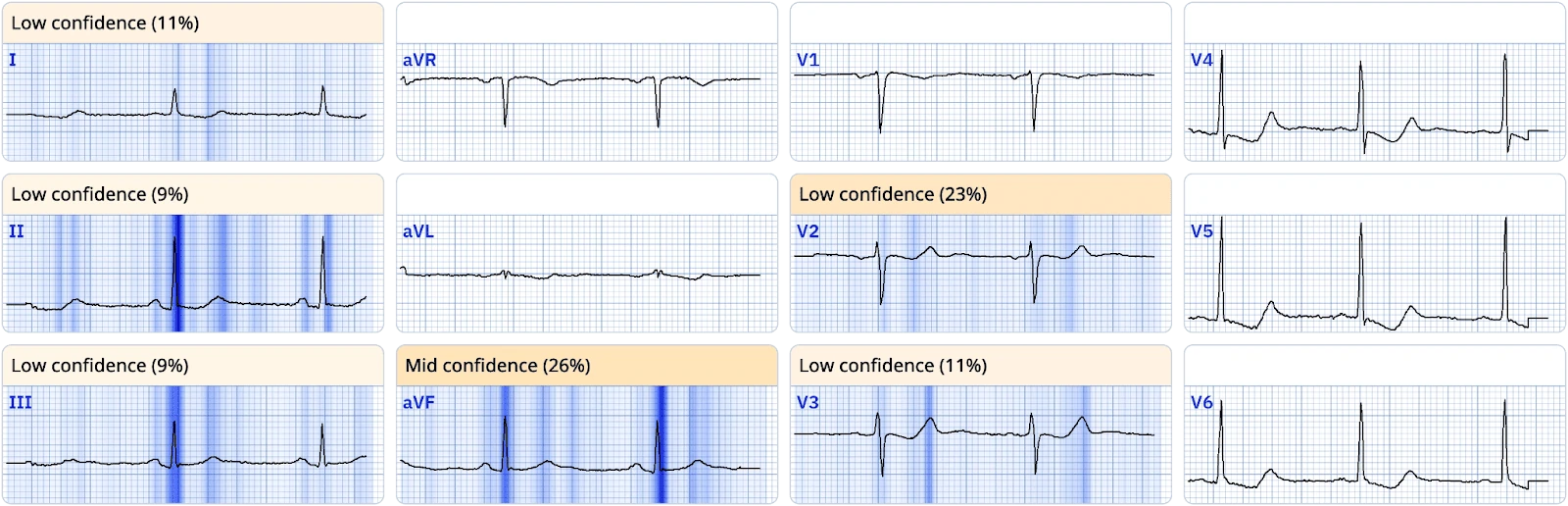
Fifteen minutes after total resolution of pain, ECG3 shows reperfusion T wave inversions in the inferior leads, as well as enlarged T waves in V2-V4 consistent with posterior reperfusion T waves (reciprocal to posterior T wave inversion). 

Below is the module output at this time:
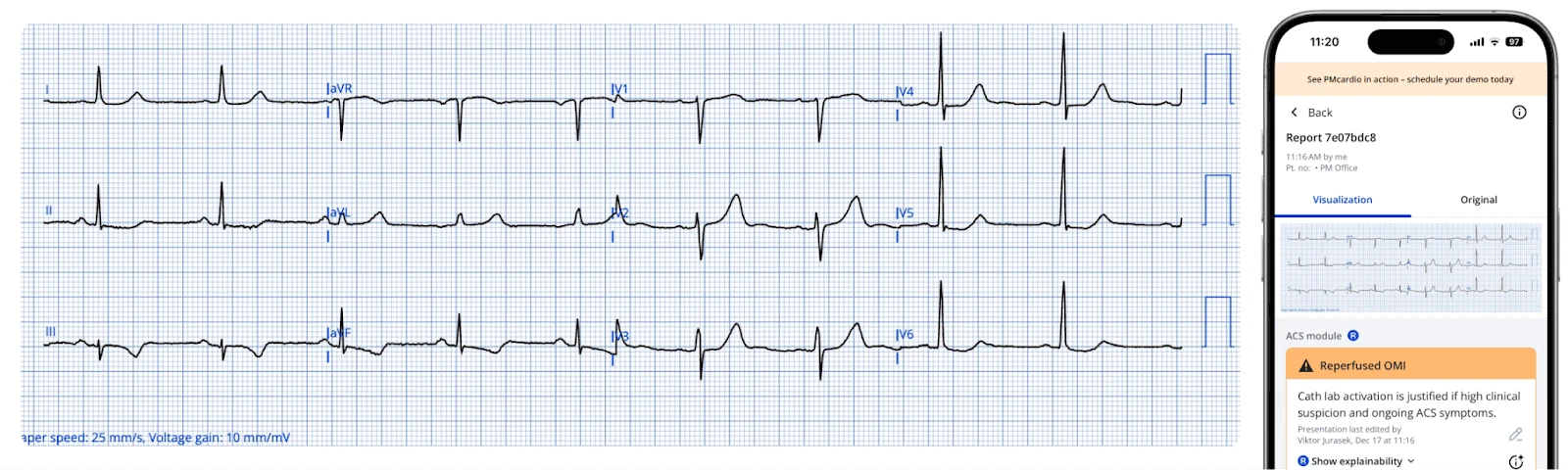
Advanced STEMI Detection and Improved Cath Lab Activation through ECG Transmission and Notifications

Figure Note:  A digitized ECG displaying a diagnosis of Reperfused OMI, as identified by the module.

Advanced STEMI Detection and Improved Cath Lab Activation through ECG Transmission and Notifications
Figure Note:  ECG patterns indicative of a reperfused state and associated resolution of chest pain as seen in the above patient ECG

The module correctly identifies the ECG findings as signs of reperfusion, aligning with the patient’s resolution of symptoms.

The patient was taken urgently to the cardiac catheterization lab, where a culprit lesion in the right coronary artery was identified (noted to be open at the time of the angiogram) and successfully stented.

Advanced STEMI Detection and Improved Cath Lab Activation through ECG Transmission and Notifications

Optimize STEMI patient pathway with certified AI

The impact of PMcardio at the Cardiovascular Centre Aalst, Belgium:

Advanced STEMI Detection and Improved Cath Lab Activation through ECG Transmission and Notifications

References

  1. Braunwald E, Antman EM, Beasley JW, et al. ACC/AHA guidelines for the management of patients with unstable angina and non-ST-segment elevation myocardial infarction. A report of the American College of Cardiology/American Heart Association Task Force on Practice Guidelines (Committee on the Management of Patients With Unstable Angina). J Am Coll Cardiol. 2000;36(3):970-1062. 
  2. Thygesen K, Alpert JS, Jaffe AS, et al. Fourth Universal Definition of Myocardial Infarction (2018). Circulation. 2018;138(20):e618-e651. doi:10.1161/CIR.0000000000000617
  3. Hillinger P, Strebel I, Abächerli R, et al. Prospective validation of current quantitative electrocardiographic criteria for ST-elevation myocardial infarction. Int J Cardiol. 2019;292:1-12. doi:10.1016/j.ijcard.2019.04.041.
  4. Herman R, Meyers HP, Smith SW, et al. International evaluation of an artificial intelligence–powered electrocardiogram model detecting acute coronary occlusion myocardial infarction. Eur Heart J – Digit Health. 2023;5(2):123-133. doi:10.1093/ehjdh/ztad074.
  5. Macherey-Meyer S, Meyers P, Smith S, et al. Artificial intelligence-based detection of occlusion myocardial infarction: first external validation in a German chest-pain unit cohort. 2024. doi:10.1007/s00392-024-02406-5.
  6. Garvey JL, Zegre-Hemsey J, Gregg RE, et al. Electrocardiographic diagnosis of acute myocardial infarction in the emergency department: a practical algorithm. J Am Heart Assoc. 2019;8(11):e011629. doi:10.1161/JAHA.118.011629.
  7. Byrne RA, Ibanez B, James S, et al. 2023 ESC Guidelines for the management of acute coronary syndromes. Eur Heart J. 2023;44(30):2568-2698. doi:10.1093/eurheartj/ehad191. 
  8. Pires de Morais G, Lopes A, Machado C, et al. Wellens’ syndrome: a pattern to remember. BMJ Case Rep. 2018;2018:bcr-2018-224582. doi:10.1136/bcr-2018-224582.
  9. O’Gara PT, Kushner FG, Ascheim DD, et al. 2013 ACCF/AHA guideline for the management of ST-elevation myocardial infarction: executive summary. J Am Coll Cardiol. 2013;61(4):485-510. doi:10.1016/j.jacc.2012.11.018.
  10. Jollis JG, Roettig ML, Aluko AO, et al. Implementation of a statewide system for STEMI care in North Carolina: program evaluation. JAMA. 2007;298(21):2371-2380. doi:10.1001/jama.298.21.joc70189.

Powerful Medical

Powerful Medical leads one of the most important shifts in modern medicine by augmenting human-made clinical decisions with artificial intelligence. Our primary focus is on cardiovascular diseases, the world’s leading cause of death.
About PMcardio:

PMcardio is a CE-certified AI that reads ECGs and offers a complex assessment of 49 cardiac conditions. Clinically validated in 15+ studies and trusted by over 100,000 clinicians, it delivers rapid, expert‑level interpretations, empowering emergency physicians, GPs, nurses, paramedics, and cardiologists to act with confidence at the point of care. Available for Individuals and Organizations.

About Powerful Medical:

Established in 2017, Powerful Medical has embarked on a mission to revolutionize the diagnosis and treatment of cardiovascular diseases. We are a medical company backed by 28 world-class cardiologists and led by our expert Scientific Board with decades of experience in daily patient care, clinical research, and medical devices. The results of our research are implemented, developed, certified, and brought to market by our 50+ strong interdisciplinary team of physicians, data scientists, AI experts, software engineers, regulatory specialists, and commercial teams.

Share this article

Don't miss these

Powerful Medical team receiving the MedTech Innovator 2025 Mid-Stage Grand Prize award on stage, holding a large winner’s check.

Powerful Medical Wins MedTech Innovator 2025

Powerful Medical has been named MedTech Innovator 2025, winning MTI’s Mid-Stage Grand Finals—top honor from the world’s largest medtech accelerator. The award recognizes PMcardio and its FDA Breakthrough-designated Queen of Hearts™ AI ECG technology, which doubles sensitivity for detecting severe heart attacks and significantly cuts ECG-to-balloon time in large clinical trials.

PMcardio Reports Positive RCT Results and Late-Breaking Clinical Science for STEMI Detection

PMcardio’s AI-powered ECG technology delivers breakthrough results at TCT 2025—improving heart attack detection, reducing false activations, and enabling faster treatment across major clinical trials, including the landmark DIFOCCULT-3 RCT.

Join over 100,000 healthcare professionals who are already taking advantage of AI

Suites

Five suites.
One platform.
The full cardiac care journey.

PMcardio’s clinical suites cover the full spectrum of cardiac care — from acute emergency detection to longitudinal monitoring. Deploy the suites that match your priorities today, expand as your needs grow.

Minutes matter

Acute Care Suite

AI-powered detection and pathway coordination for time-critical cardiac events — including STEMI and OMI, pulmonary embolism / RV strain, and hyperkalemia.

  • stemi/OMI
  • pe/RV strain
  • hyperK

Find what ECGs Hide

Echo Screening Suite

AI-powered screening for structural heart disease directly from a 12-lead ECG — detecting reduced LVEF, aortic stenosis, HCM, and other SHD conditions that traditional ECG interpretation misses.

  • lvef
  • aortic stenosis
  • hcm

Ambulatory, automated

Remote Monitoring Suite

AI-powered analysis of ambulatory ECG recordings — Holter monitors, cardiac patches, and other continuous monitoring devices — with automated findings and longitudinal tracking.

  • holter
  • cardiac patches
  • arrhythmia burden

Beyond the clinic

Patient Suite

AI-powered ECG interpretation for consumer wearables and patient-facing devices — extending cardiac care beyond the clinic into everyday life.

  • wearable ECG Analysis
  • PPG Analysis

On-table intelligence

Angio Suite

AI-powered analysis of coronary angiography — automated stenosis quantification, TIMI frame count, guide wire detection, and myocardial blush grading in near real-time.

  • vessel segmentation
  • stenosis quant.
  • timi frames
  • blush grading

Governance, customization & configuration

Align the platform to your protocols — without a custom software project.

Configure escalation thresholds, roles, and reporting to match local pathway rules — while maintaining system-wide governance and consistency.

  • Configurable triggers, roles, and escalation workflows
  • Custom dashboards and views aligned to leadership needs
  • Controlled expansion to additional pathways over time

Outcomes, QA & performance intelligence​

Measure what matters — across every pathway, every site.

Turn pathway execution into dashboards and reporting that help leadership reduce variation, optimize time-to-treatment, and demonstrate value across every deployed suite.

  • Cross-site, cross-pathway, and team-level benchmarking
  • Time-to-treatment and pathway quality tracking
  • QA workflows, audit trails, and leadership reporting
  • Registry-aligned reporting support (NCDR Chest Pain-MI, AHA GWTG, and more)

Escalation & care coordination

Real-time routing that matches how your system actually runs.

Route critical cases to the right team with role-based notifications, escalation logic, and shared case context — across EMS, ED, cardiology, cath lab, and inpatient care.

  • Role-based alerting and escalation across departments and sites
  • Shared case context so receiving teams have what they need before the patient arrives
  • Integration with existing communication and alerting tools

AI-powered decision support

Clinically validated AI that spans the cardiac care journey.

Run multiple AI models on every recording — acute detection, screening, procedural quantification — with interpretable outputs and case-level explainability.

  • Queen of Hearts™ for STEMI/OMI detection
  • LVsense™ for reduced ejection fraction
  • Culprit Artery Prediction for pre-cath planning
  • Core AI for comprehensive rhythm and conduction analysis
  • Expanding model portfolio across Echo Screening, Remote Monitoring, and Angio Suites

Interoperability & deployment

Connect across your existing systems — without replacing them.

Ingest pathway-critical inputs from across your network and IT landscape, and deliver results where teams already work. Built for system-wide rollout with enterprise deployment patterns.

  • Connect to ECG devices, angiographic systems, and ambulatory monitors across sites
  • Launch PMcardio from the EHR / CVIS with secure links and SSO
  • Send results back to clinical systems where care is documented

All Supported ECG Findings

Rhythms
Sinus bradycardia • Sinus rhythm • Sinus tachycardia • Paced rhythm • Atrial fibrillation
Atrial fibrillation with rapid ventricular response • Atrial fibrillation with slow ventricular response • Atrial flutter • Atrial flutter with rapid ventricular response • Atrial flutter with slow ventricular response • Supraventricular tachycardia • Suspected junctional rhythm • Suspected junctional bradycardia • Suspected accelerated junctional rhythm • Wide QRS rhythm • Idioventricular rhythm • Wide QRS tachycardia

Myocardial Infarctions

  • STEMI
  • STEMI Equivalent
    Equivalent
Detects occlusive myocardial infarctions (OMIs) even without ST elevation (i.e. posterior STEMI, hyperacute T-waves, etc.). Negative for STEMI mimics (i.e. early repolarization, LVH, etc.)
  • High-Risk NSTEMI
    Represents a type 1 myocardial infarction caused by a transiently recanalized coronary occlusion—classically seen in patterns such as Wellens type A or B due to subtotal LAD obstruction, but possible in any infarct-related territory.
  • Culprit Detection
    AI-predicted likelihood scores for LAD, LCx, and RCA with 3D heart visualization highlighting the predicted culprit artery.

Conduction Abnormalities (Heart Blocks
1st degree AV block • 2nd degree AV block, type Wenckebach • Higher degree AV block • Complete right bundle branch block • Incomplete right bundle branch block • Complete left bundle branch block • Incomplete left bundle branch block • Nonspecific intraventricular conduction delay • Left anterior fascicular block • Left posterior fascicular block • Bifascicular block (RBBB + LAFB) • Bifascicular block (RBBB + LPFB) • Trifascicular block (RBBB + LAFB + AVBLOCK1) • Trifascicular block (RBBB + LPFB + AVBLOCK1)

LVEF
Reduced LVEF (≤40%) • Mildly reduced LVEF (41 – 49%) • No signs of reduced LVEF (≥50%)

Axis
Left cardiac axis deviation • Right cardiac axis deviation • Extreme cardiac axis deviation • Normal axis

Measurements
Heart rate • P wave • PR interval • QRS duration • QT interval • Corrected QT interval (Framingham formula) • RR interval • PP interval • ST elevations

Other Supported Diagnoses
Suspected long QT syndrome • Suspected short QT syndrome • Suspected atrial enlargement • Suspected ventricular hypertrophy • Premature complexes

Certain AI ECG Modules are CE-marked medical devices under EU MDR and only certified for marketing in the European Union and the United Kingdom. Powerful Medical technology has not yet been cleared or approved by the US Food and Drug Administration (FDA) for marketing in the USA. Not all modules of the PMcardio platform may be available in your region.

Dr. Tom De Potter, MD

Cardiologist at the Cardiac Center Aalst

Cardiologist specializing in Pacemaker Device Therapy and Electrophysiology. Leads the electrophysiology unit at the Heart Center in Aalst, holds an executive board position at the European Heart Academy, and serves as EHRA scientific program committee co-chair.

Dr. Martin Penicka, MD, PhD

Cardiologist at the Cardiac Center Aalst

Cardiologist at the Cardiac Center Aalst since 2009, specializing in non-invasive imaging and valvular disease. Fellow of the European Society of Cardiology (FESC) and the European Association of Cardiovascular Imaging (FEACVI).

Dr. Ward Heggermont, MD, PhD

Co-director at the Cardiovascular Center

Co-director at the Cardiovascular Center of Aalst Hospital, specializing in heart failure. Research focus at the intersection of cardiology, virology, and metabolism.

Prof. Dr. Robert Hatala, PhD

Co-founder and Chief Scientist

Head of the Arrhythmia and Pacing department at the National Institute of Cardiovascular Diseases in Slovakia. More than 150 publications and 10,000 citations. Contributor to ESC clinical practice guidelines and executive editor of the European Heart Journal since 2020.

Arieh Levy

Head of PMcardio for Individuals

Arieh leads the PMcardio for Individuals product at Powerful Medical, guiding its development as a clinical tool for emergency physicians, cardiologists, and primary care physicians. He holds a First Class MEng in Biomedical Engineering from Imperial College London, where he specialised in AI for cardiology, building physics-informed neural networks to model atrial electrical properties, giving him a background that bridges the clinical and technical demands of building a certified AI medical device used at the bedside every day.

Dr. Dave Pearson, MD​

Business Advisor

Academic emergency medicine physician, entrepreneur, investor, and researcher with nearly two decades at Atrium Health, one of US largest health systems. Brings expertise at the intersection of clinical care, healthcare innovation, and strategic leadership.

Prof. Stephen W. Smith, MD

Professor of Emergency Medicine

Faculty physician in Emergency Medicine at Hennepin County Medical Center and Professor of Emergency Medicine at the University of Minnesota. Co-inventor of the OMI paradigm and editor of Dr. Smith’s ECG Blog, the most-visited US-based ECG interpretation blog.

Prof. Emanuele Barbato, MD, PhD

President of EAPCI

Interventional cardiologist specializing in coronary artery disease and coronary physiology. Acting president of the European Association of Percutaneous Cardiovascular Interventions (EAPCI) and contributor to the clinical practice guidelines for STEMI care.

Scott Sharkey, MD

Chief Medical Officer

Chief Medical Officer of the Minneapolis Heart Institute Foundation and practicing cardiologist at Allina Health Minneapolis Heart Institute. Co-founder of the STEMI Midwest consortium and Takotsubo cardiomyopathy research program and a widely published clinical investigator in STEMI care.

Prof. Dr. Leor Perl, MD

Director of Cardiac Catheterization Institute

Director of Complex Cardiac Interventions and Chief Innovation Officer at Rabin Medical Center. Graduate of the Stanford Biodesign Program.

Suzanne J. Baron, MD, MSc

Director of Interventional Cardiology Research

Director of Interventional Cardiology Research at Massachusetts General Hospital. Holds a Master’s degree in health economics from Harvard School of Public Health. Expert in cardiovascular device impact on healthcare costs and patient-reported outcomes.

Prof. Marco Valgimigli, MD

Deputy Chief Cardiocentro Ticino Institute

Head of Cardiology at Cardiocentro Ticino and Principal Investigator of the TITAN-OMI randomized controlled trial. His research has shaped both European and US clinical practice guidelines on coronary stents, antithrombotic therapy, and vascular access.

Timothy D. Henry, MD

Medical Director of The Carl and Edyth Lindner Center

Leading expert in interventional cardiology and STEMI treatment. Co-founder and principal investigator of the Midwest STEMI Consortium, a registry of more than 20,000 consecutive STEMI activations. Presenting author for the TCT 2025 Late-Breaking Clinical Science on Queen of Hearts.

Matus Horvath

Head of People

Matus leads hiring strategy and culture at Powerful Medical, bringing a strong track record of building and scaling high-performing teams. He previously ran the People Team at Slido, the SaaS startup acquired by Cisco, where he played a key role in scaling a fast-growing, values-driven organization. His broader experience now shapes Powerful Medical’s growth, culture, and talent strategy.

Dr. Timea Kisova, MD

Clinical Research Lead

Timea leads Powerful Medical’s global external validation studies, including the multi-country AI ECG TIMI Study. With a background in biomedical sciences and a medical degree from Barts and The London School of Medicine and Dentistry, she brings the clinical discipline required to generate the prospective, real-world evidence behind every PMcardio module.

Dr. Anthony Demolder, MD, PhD

HF Pathway Lead

Research physician with a PhD on arrhythmias in heritable thoracic aortic disease. He has led international studies at the intersection of cardiology and AI — including earlier work on atrial fibrillation at AZ Sint-Jan Brugge — and now drives Powerful Medical’s heart failure pathway and LVsense™ AI model development.

Dr. Pendell Meyers, MD

ACS Pathway Lead

Emergency medicine physician, prolific educator, and Co-Editor of Dr. Smith’s ECG Blog. He is one of the leading voices behind the Occlusion Myocardial Infarction (OMI) paradigm, the clinical framework that reshaped how heart attacks are identified from the ECG — and which sits at the core of the Queen of Hearts™ model.

Adam Dej

Head of PMcardio for Organizations Engineering

Adam leads engineering for PMcardio for Organizations at Powerful Medical, driving platform architecture, backend systems, and infrastructure behind one of the company’s key growth products. He began programming at 13, entered professional IT at 17, and studied computer security at Comenius University’s Faculty of Mathematics, Physics and Informatics. Known for technical depth across distributed systems, infrastructure, and security, he builds scalable and resilient software with a sharp focus on customer impact. He also champions responsible use of AI and LLMs as force multipliers for modern engineering teams.

Gabriela Rovder Sklencarova

Head of Infrastructure

Gabriela designs the scalable, secure, distributed systems that keep PMcardio running around the clock for clinicians worldwide. She joined from Google, where she was a senior software engineer building core libraries that kept Google’s services resilient against billions of requests, and holds a BA and MA in Computer Science from the University of Cambridge.

Arezou Azar

US and Global Regulatory

Arezou leads Powerful Medical’s global regulatory strategy across the FDA, EU MDR, and international frameworks. She has been part of nearly every major breakthrough in AI cardiology and is an expert in US and global regulatory strategy, SaMD/digital health launches, with experience at Eko Health, Verily, AliveCor, Cardiologs, and Apple. She specializes in regulatory strategy in high-paced global organizations.

Adam Rafajdus

Head of AI

Adam is the Head of AI at Powerful Medical, working across the full lifecycle of bringing AI into clinical practice – from data infrastructure and model development to regulatory clearance. He leads the team behind the Queen of Hearts™ AI ECG models, the company’s ECG digitization pipeline, and its broader AI portfolio. Focused on AI since university, Adam joined as an MLOps Engineer and has grown into his current role over six years.


Mike Wall

VP of Sales

Mike brings more than twenty years at UnitedHealth Group to the table, where he served health plans, employer groups, and public-sector entities as a consultative healthcare sales executive. He combines market intelligence, clinical insight, and financial acumen — the three ingredients needed to bring AI-powered diagnostics into US health systems at scale.

Amani Farid

Head of Strategic Partnerships

Amani leads partnership strategy with a hands-on approach to integration, unlocking long-term value through collaboration and scale. A University of Chicago Law School-trained attorney and former M&A and capital markets associate at two top international law firms, she brings the rare combination of legal precision and commercial execution refined across nearly a decade at Stryker and as VP of Corporate Development at RapidAI — spanning medtech, digital health, and AI-driven diagnostics.

Michal Martonak

Commercial Lead

A mathematician by training, Michal leads commercial strategy, go-to-market, and strategic partnerships with healthcare providers and clinical institutions worldwide. He previously built Powerful Medical’s data and clinical partnerships function, acquiring the large-scale clinical datasets that underpin the company’s certified AI models.

Dr. Jozef Bartunek, MD, PhD

Co-founder and VP Clinical Strategy

Interventional cardiologist and Co-director of the Cardiovascular Center in Aalst, Belgium — one of the world’s leading heart centers. A Fogarty International NIH Fellow at Harvard Medical School and visiting Professor of Medicine at Catholic University Leuven, he has authored more than 240 peer-reviewed publications in heart failure and structural heart disease, and anchors Powerful Medical’s clinical and research strategy.

Simon Rovder

Co-founder and CTO

Simon began his engineering career at Microsoft and holds a Master’s degree in Informatics from the University of Edinburgh. He built and scaled Powerful Medical’s technology organization from the ground up to a team of 20+ engineers, leading the architecture of a CE-certified Class IIb medical device now deployed in hospitals across Europe.

Viktor Jurasek

Co-founder and CPO

Viktor was modding computer games before his teens and has spent the last decade shipping digital products across advertising, finance, and healthcare. As co-founder and CPO, he has led PMcardio’s product and design since the first prototype, setting the bar for how a clinical-grade tool should feel in a physician’s hands — fast, clear, and trustworthy at the point of care.

Felix Bauer

Co-founder and COO

Felix was part of the Hyperloop team that repeatedly competed and won in Elon Musk’s SpaceX Hyperloop Pod Competition. He holds a degree from the Technical University of Munich and brings a rare combination of engineering rigor, regulatory discipline, and operational excellence to the company, spearheading operations, compliance, regulatory, quality management, and global market access since day one.

Dr. Robert Herman, MD, PhD

Co-founder and Chief Medical Officer

Robert is a physician-scientist who served on the Research, Digital and Innovation Committee of the European Society of Cardiology. He bridges medicine and AI, connecting clinicians, researchers, regulators, and trial leaders to translate algorithms into clinical practice. He founded multiple AI ECG models, leads international clinical trials validating them, is a recipient of the Journal of the American College of Cardiology Spencer King Award, and was named to Forbes 30 Under 30 Europe 2024.

Martin Herman

Co-founder and CEO

Martin started coding at 14 and moved to Silicon Valley at 18, founding several companies including a US-based startup before returning to Europe with his brother Robert to build Powerful Medical. He comes from a family of doctors, which shaped his conviction that AI belongs wherever it can genuinely save lives. Forbes 30 Under 30 (Europe 2024).

Heart Attacks are #1 cause of death world-wide and killing about 12 milions people a year.

Clinical Definition of Problem

Contrary to popular belief, a heart attacks isn’t a blockage inside of the heart. A heart attack is a blockage of the coronary arteries supplying the heart muscle with oxygenated blood.

So let’s assume you get a blood clot here — it blocks the blood flow downstream, meaning the heart muscle doesn’t get oxygenated blood and heart tissue downstream starts to die.

Clinical Solution​

The way to fix it is relatively simple – doctors put in a stent that opens up the artery and renews blood flow. The latest clinical practice guidelines recommend that this “stenting” happens within 90 minutes from symptom onset.

If you don’t, even if you put in the stent in later, the heart tissue downstream has already been permanently damaged, which reduces the heart’s ability to pump blood. This is the leading cause of heart failure and increases 1-year mortality by two-fold.

Time is muscle.

You have just 90 minutes to diagnose the patient, bring them to the hospital and put in the stent, otherwise there is permanent damage. So problem is, that 1 in 2 heart attacks get initially misdiagnosed at the first point of contact.

Discover the future of medical work with us.

Lorem ipsum dolor sit amet, consectetur adipiscing elit. Ut elit tellus, luctus nec ullamcorper mattis, pulvinar dapibus leo.