
ECGxplain™: The Explainability Feature in PMcardio -With Human-Centered Design in Mind
In high-stakes emergency and cath lab settings, every second counts when diagnosing acute myocardial infarctions. PMcardio’s Explainability feature brings unmatched transparency to AI-powered ECG analysis, empowering clinicians with clear, trustworthy insights for faster, more confident decision-making.
In the fast-paced environment of emergency departments and cardiac catheterization labs, time is of the essence, and accurate diagnostic decisions can save lives – for healthcare professionals diagnosing acute myocardial infarctions, the process often involves a race against the clock to interpret complex ECG patterns. Enter PMcardio, a novel AI-powered diagnostic tool that not only identifies acute and reperfused myocardial infarctions from a single 12-lead ECG but also provides unparalleled transparency with its innovative Explainability feature.
Understanding Explainability: A Window into AI’s Diagnostic Decision-Making
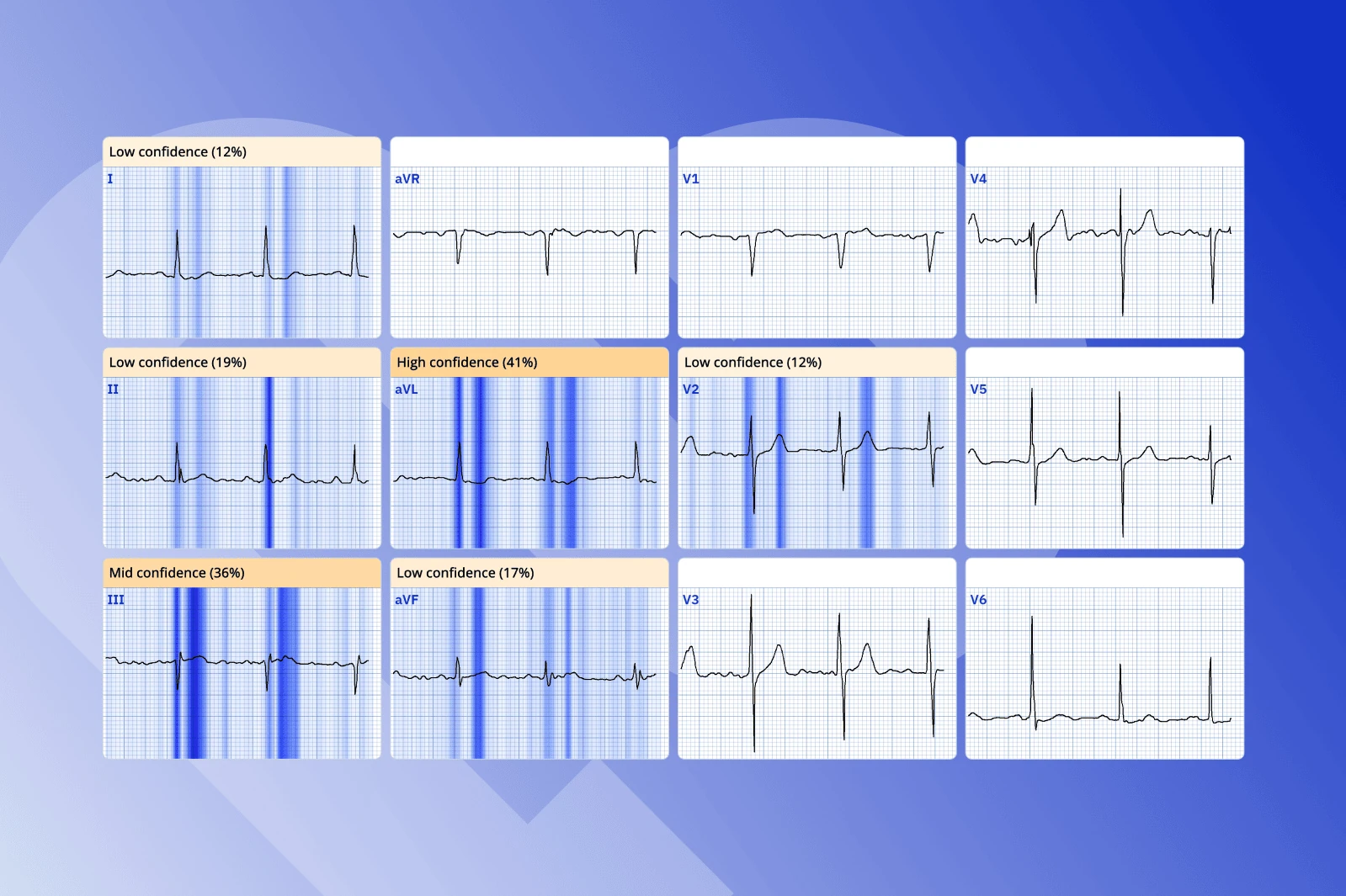
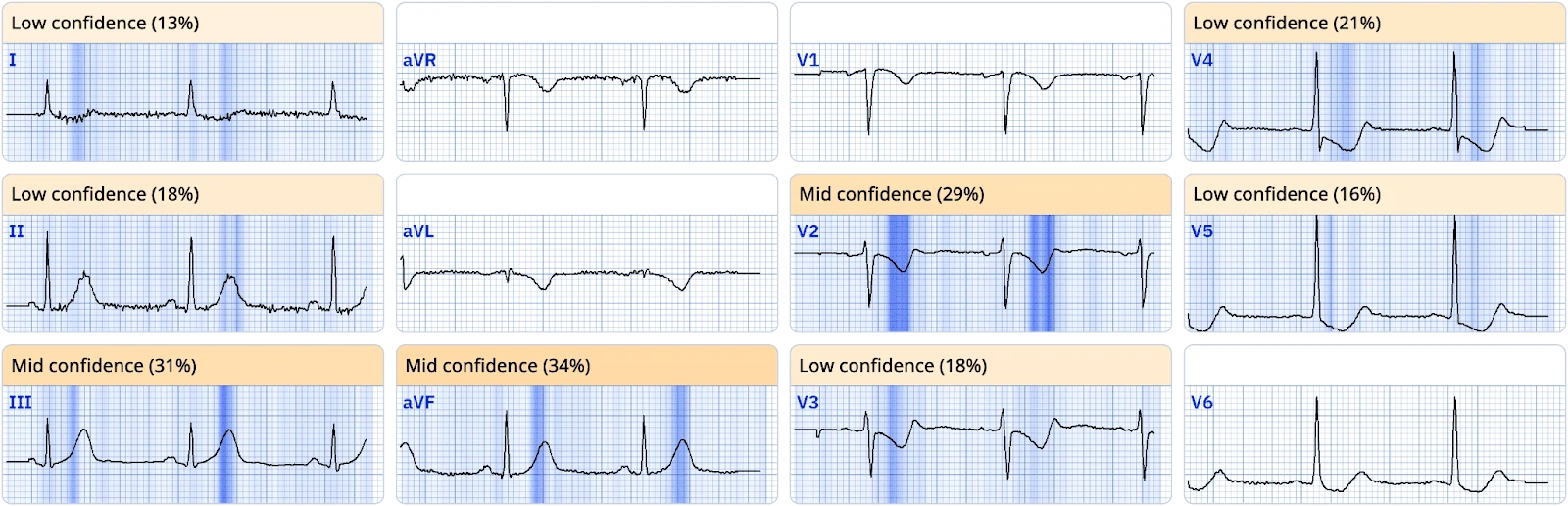
One of the core strengths of PMcardio lies in its ECGxplain™ AI Explainability feature, available exclusively in PMcardio for Organisations through team and enterprise plans and in PMcardio for Individual Pro subscriptions. This advanced feature generates a heat map overlay for each ECG lead, highlighting the regions of diagnostic importance that guide the AI model’s decision-making process. By offering this level of transparency, PMcardio ensures that clinicians can quickly understand why a particular case was flagged as abnormal or requiring intervention.
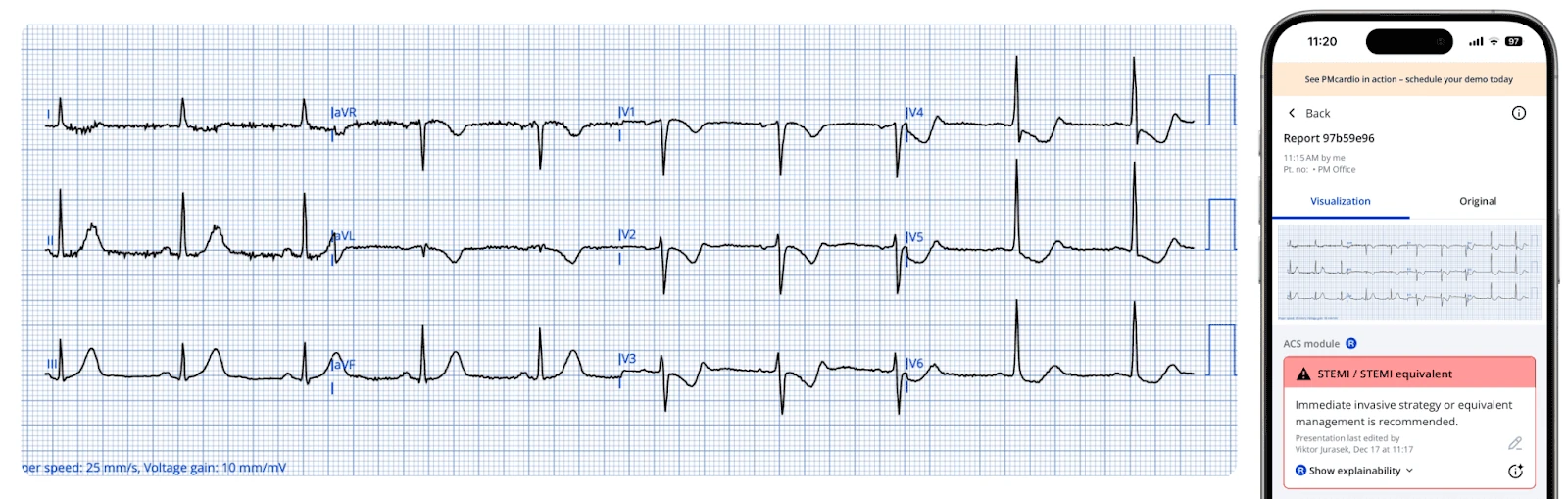
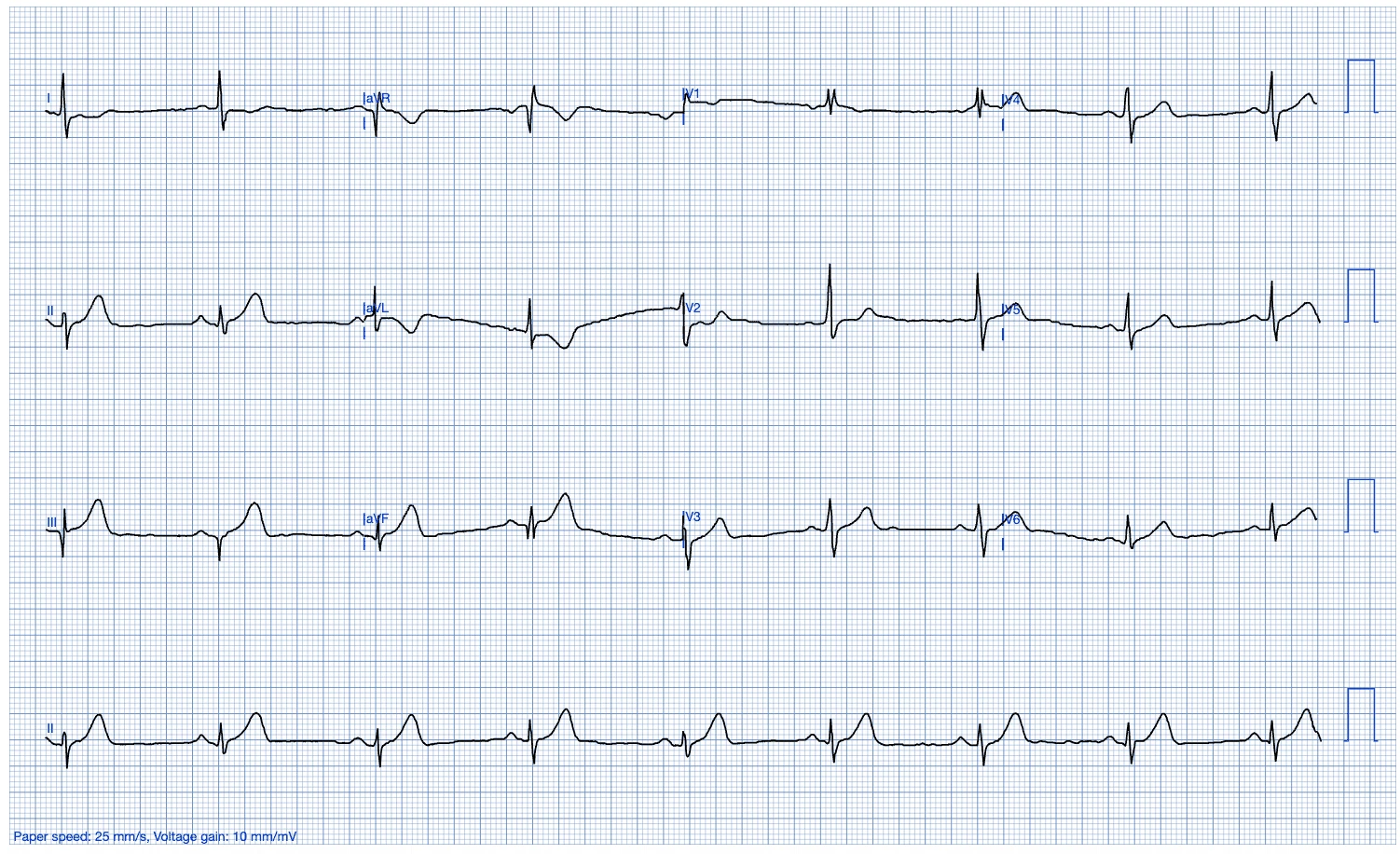
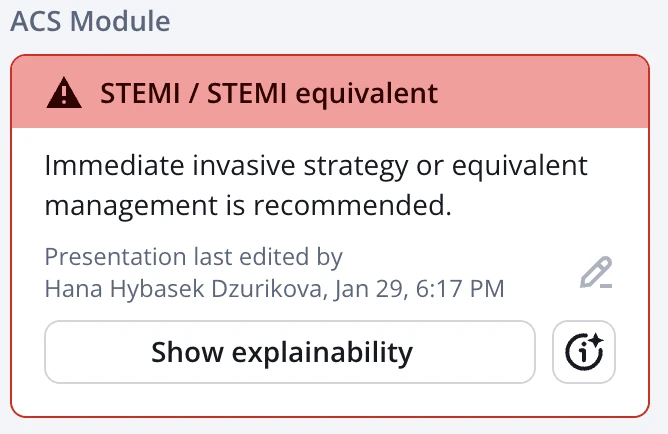
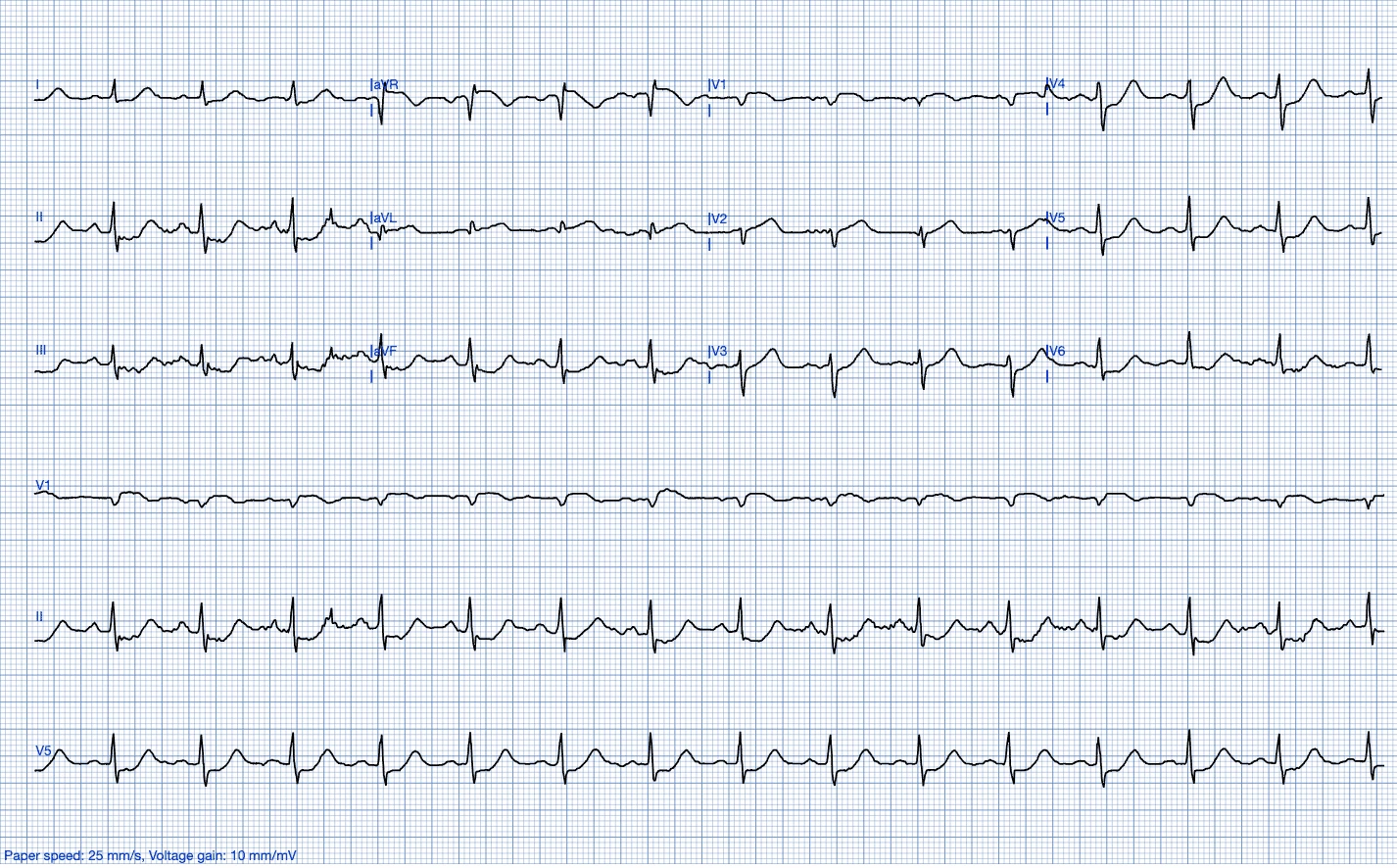
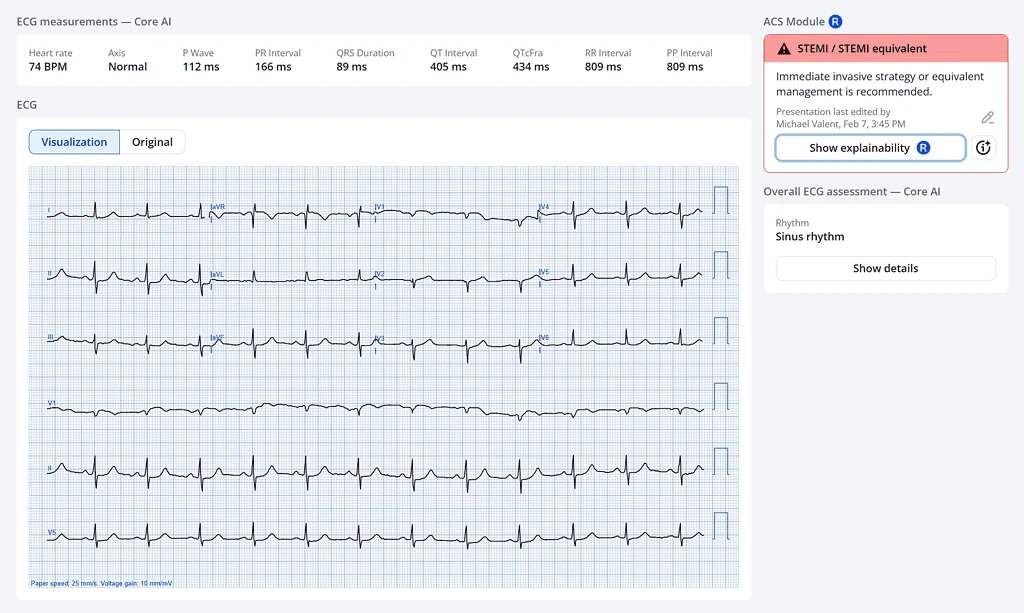
A digitized ECG displaying a diagnosis of STEMI/STEMI equivalent, as identified by the module.
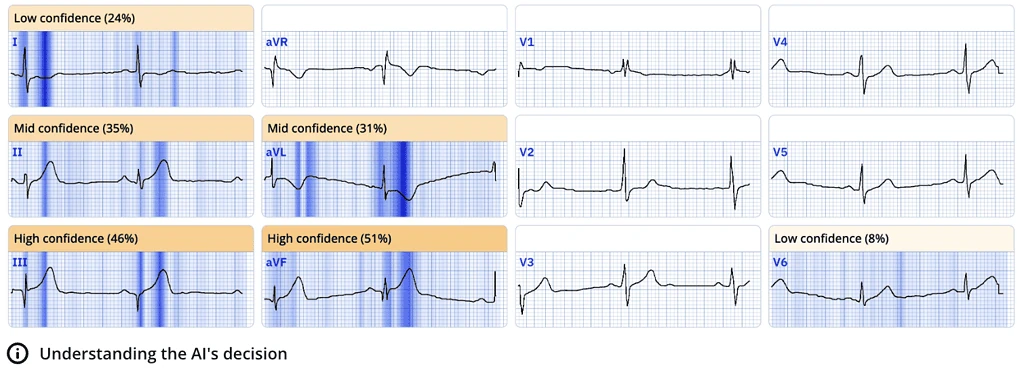
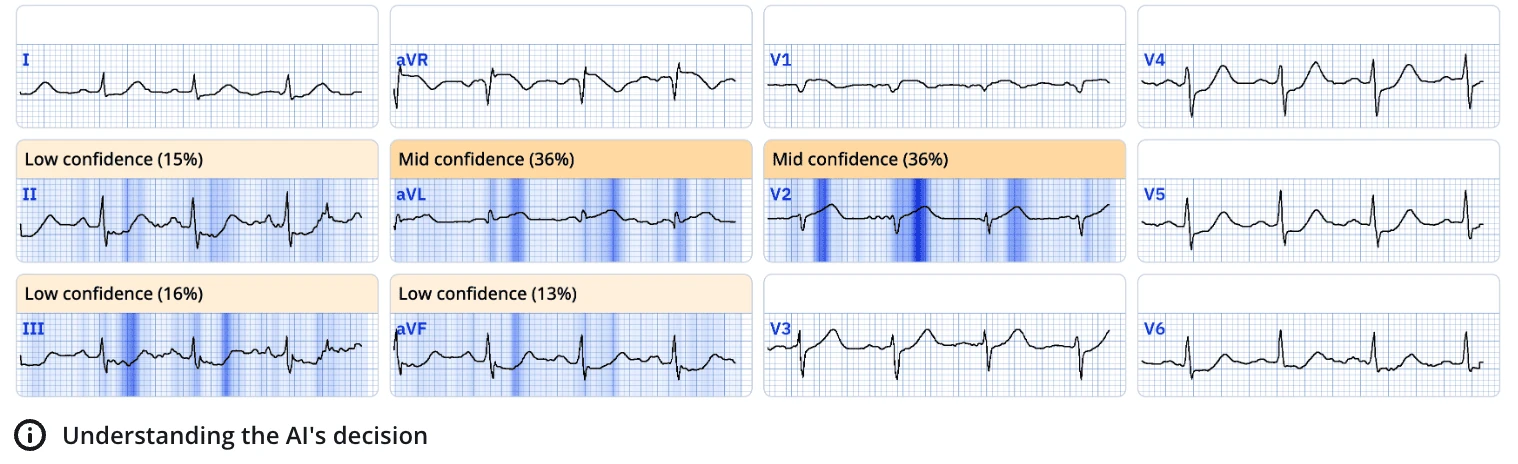
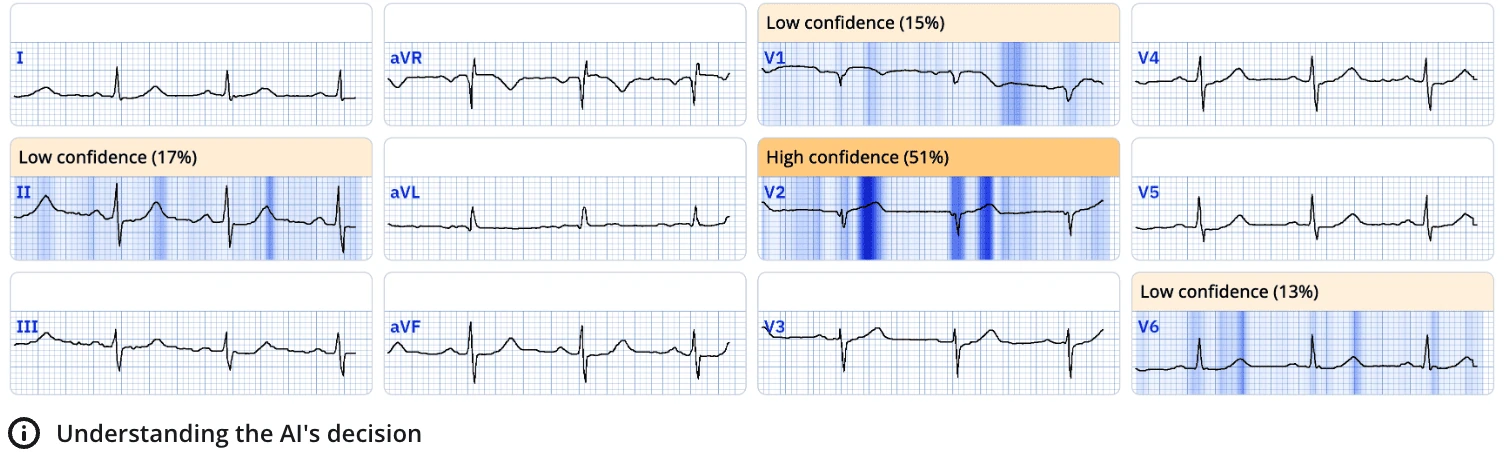
ECGxplain™ AI Explainability feature – For every positive case, the explainability feature provides a heat map highlighting the ECG leads and areas of diagnostic importance.
PMcardio’s AI model takes into account 2.5-second segments of the ECG. Clinicians can view the precise ECG segments the AI considered most important for its analysis, providing a deeper understanding of how the model arrives at its conclusions.
- Lead Influence Scores: Each lead is assigned a score reflecting its impact on the AI prediction. Higher scores indicate greater influence, while no scores suggest minimal or no effect. The scores are determined by removing each lead and assessing its impact on the overall ECG prediction.
- Signal Importance Highlighting: The background color of the ECG shows its importance to the AI’s diagnosis, with darker areas (blue) indicating more critical segments.
For instance, in cases of acute myocardial occlusion, the heat map draws attention to characteristic patterns such as ST-segment elevations, depressions, or T-wave changes that are critical for diagnosis. These visual cues are especially beneficial for triage nurses, emergency physicians, and interventional cardiologists, offering not only a diagnostic aid but also an educational resource to refine their clinical judgment.
This level of transparency is more than just a technical achievement; it is a step toward building trust between clinicians and AI-assisted diagnostics. By offering insights into how the model interprets ECG patterns, PMcardio ensures that the decision-making process remains clear and reproducible.
The Role of Explainability in Standardizing Care
One of the most significant challenges in cardiovascular care is the variability in ECG interpretation among clinicians, especially in high-pressure environments. PMcardio overcomes this challenge by standardizing diagnostic skills of clinicians through its AI-driven diagnostic capabilities, which are trained on hundreds of thousands of real-world cases to identify subtle diagnostic cues that might otherwise be missed due to human fatigue, time constraints, or limited experience with complex cases.
The Explainability feature enhances this process by providing clear visual insights into the AI’s decision-making, fostering transparency and helping clinicians build confidence in the tool’s diagnostic decision making.
For example, in emergency situations where chest pain patients present with atypical symptoms and nuanced or obscure patterns such as STEMI equivalents, the Explainability feature can serve as a second set of eyes, consciously building trust in diagnostic accuracy and building confidence in expediting time-sensitive interventions.
Optimize STEMI patient pathway with certified AI
The impact of PMcardio at the Cardiovascular Centre Aalst, Belgium:
- 68% reduction in false positive STEMI alerts
- 100% sensitivity in true positive STEMI patients
- 34% reduction in ECG to balloon time for STEMI patients
- 50% decrease in door-to-ECG time month-over-month
A Real-World Educational Resource
Beyond diagnostics, the Explainability feature serves as an invaluable tool for experiential learning. By analyzing real patient cases with highlighted diagnostic patterns, clinicians gain unique insights into the rationale behind the AI’s decisions, helping them better understand critical ECG changes and refine their ability to recognize life-threatening conditions. This feature is particularly beneficial for early-career clinicians, turning AI-generated diagnostics into a powerful opportunity for hands-on learning and skill development.
For skilled clinicians and specialists in the field, such as interventional cardiologists, the Explainability feature provides an additional layer of support when reviewing challenging cases. By visualizing subtle patterns identified by the AI, it reinforces key diagnostic knowledge and helps clinicians integrate these insights into their practice. This iterative feedback loop not only enhances individual expertise but also fosters a culture of continuous learning and collaboration in cardiovascular medicine, ultimately improving the overall quality of patient care.
Human-Centered Design
The PMcardio ECGxplain™ AI Explainability feature is more than just a technical advancement; it represents a vision for the future of cardiovascular care – one where AI and clinicians collaborate seamlessly to improve diagnostic accuracy, reduce variability, and ultimately save more lives.
As healthcare providers continue to adapt to fast evolving AI technologies, tools like PMcardio serve as a reminder of the importance of transparency and education in standardizing care. By combining cutting-edge AI with a focus on human-centered design, Powerful Medical is not only shaping the future of diagnostics but also empowering clinicians with the tools they need to deliver exceptional care.
Optimize STEMI patient pathway with certified AI
The impact of PMcardio at the Cardiovascular Centre Aalst, Belgium:
- 68% reduction in false positive STEMI alerts
- 100% sensitivity in true positive STEMI patients
- 34% reduction in ECG to balloon time for STEMI patients
- 50% decrease in door-to-ECG time month-over-month
Share this article



About PMcardio
PMcardio features FDA-authorized and CE-marked AI ECG models that interpret any 12-lead ECG — from a photo or a digital file — in seconds. It detects 50+ ECG findings, including occlusion myocardial infarction (OMI) — the acute coronary occlusions that conventional STEMI criteria miss in over half of cases. Its Queen of Hearts™ OMI model holds FDA Breakthrough Device Designation, and PMcardio is already used by 100,000+ clinicians who have analyzed more than 2.5 million ECGs.

About Powerful Medical
Powerful Medical is a medical-technology company using artificial intelligence to transform how cardiovascular disease — the world’s leading cause of death — is diagnosed. Founded in 2017, it built PMcardio, the world’s first AI medical device to detect acute coronary occlusion (OMI) from an ECG. Its research is published in the European Heart Journal – Digital Health and validated across 25+ clinical studies, and its Queen of Hearts™ model earned FDA Breakthrough Device Designation. To date, PMcardio has supported the detection of 120,000+ heart attacks across 150+ hospital deployments worldwide.