
Powerful Medical Receives €40 Million IPCEI Grant — read the full story

Dr. Hana Hybasek Dzurikova
30. May 2024

Women’s Health and Cardiac Care: A Call to Action for Healthcare Providers

Healthcare providers are dedicated to delivering equitable and effective care to all patients. However, historical biases and gaps in medical research have led to disparities in how we diagnose and treat diseases across different groups. Healthcare equity is a broad concept that encompasses not only sex differences but also racial, ethnic, and age-related disparities in care offered.

These disparities are particularly pronounced in cardiovascular medicine. Women often present with different symptoms of heart disease than men, which can result in misdiagnosis or delayed treatment. According to the WHO, cardiovascular diseases (CVDs) are the leading cause of death globally, accounting for one in three female deaths each year1.

Yet, women are 50% more likely than men to receive an incorrect initial diagnosis following myocardial infarction2. These staggering statistics underscore the critical need to address sex disparities in cardiovascular care with urgency and commitment.

As we continue to celebrate Women’s Health Month, this article explores the history of sex disparities in medicine, highlighting the specific challenges in cardiovascular care for women, and the role that innovative solutions like artificial intelligence can play in bridging these gaps. Moreover, it offers actionable steps that healthcare providers can take to improve outcomes for their female patients.

Dark History of Sex Disparities in Medicine

The disparity in cardiovascular care for women has been well-documented in the medical literature, revealing a longstanding sex bias influencing research, diagnosis, and treatment protocols. Historically, medical research has predominantly focused on male subjects, often excluding women from clinical trials3. This sex bias has led to a lack of understanding of how diseases manifest differently in men and women.

The classic symptoms of Acute Coronary Syndrome (ACS), such as chest pain radiating to the left arm, are based on studies conducted predominantly on men. Women, however, often experience subtler symptoms such as fatigue, nausea, and shortness of breath, which are easily misattributed to less serious conditions4.

Women May Experience ACS Differently

Women are more likely than men to present with atypical symptoms, leading to diagnostic challenges and delays in treatment5. For example, while men typically present with crushing chest pain during ACS, women may experience more atypical symptoms apart from chest pain such as:

  • Fatigue: Feeling of an overwhelming sense of fatigue that is not relieved by rest.
  • Dyspnoe: Experiencing shortness of breath, difficulty breathing or feel out of breath with minimal exertion.
  • Nausea or Vomiting: Gastrointestinal symptoms such as nausea, vomiting, or indigestion are more commonly observed in women during ACS.
  • Back or Jaw Pain: Pain can radiate to the back or jaw rather than the chest, leading to misinterpretation as musculoskeletal or dental issues.
  • Dizziness or Lightheadedness: Feel dizzy or lightheaded, which can be mistakenly attributed to less serious conditions like dehydration or vertigo.
  • Anxiety or Unusual Weakness: Feelings of anxiety or an unexplained sense of weakness can precede ACS.
Women's Health and Cardiac Care: A Call to Action for Healthcare Providers
While men typically present with crushing chest pain during ACS, women may experience more atypical symptoms apart from chest pain

This clinical ambiguity highlights the need for heightened awareness and education among healthcare providers to recognize and respond to these non-classical presentations in women5.

It goes on

Biological Differences

Hormonal differences play a crucial role in how CVD manifest and progress in women compared to men. Estrogen, which has protective cardiovascular effects, significantly influences these differences, particularly during peri-menopause. Estrogen contributes to maintaining the vascular elasticity, improving blood flow, and reducing the likelihood of atherosclerosis. However, as women approach menopause and estrogen levels decline, their risk of developing CVD increases significantly6.

In addition to hormonal influences, women tend to have smaller coronary arteries than men, which can affect the presentation and detection of CVD. Smaller arteries are more challenging to visualize and treat during procedures such as coronary angiography and stenting. This anatomical difference can contribute to the underdiagnosis and undertreatment of ACS in women5.

Women's Health and Cardiac Care: A Call to Action for Healthcare Providers

Read your next ECG with AI

Be part of a future where cardiac care is smarter, faster, and more accessible. Sign up now and enjoy PMcardio with 5 FREE ECGs/month – no credit card needed. 

Women's Health and Cardiac Care: A Call to Action for Healthcare Providers

Diagnostic Bias

Diagnostic bias significantly contributes to sex disparities in healthcare, often affecting clinical decision-making processes and resulting in women receiving less prompt and aggressive treatment compared to men7

Studies have consistently shown that women experiencing ACS are less likely to receive evidence-based treatments and critical procedures12. For instance, women are less likely to be prescribed life-saving medications such as lipid-modifying agents, antiplatelet agents and ACE-inhibitors, and they are also less likely to undergo interventions such as angiography, angioplasty, and coronary artery bypass surgery 8,9,10,14.

Healthcare providers may unconsciously prioritize male patients for advanced diagnostic procedures and treatments, partly due to the traditional presentation of ACS symptoms that are more common in men. 

There is a tendency to underestimate the severity of cardiovascular symptoms in women, leading to delays in seeking care and subsequent treatment. This delay can have grave consequences, as timely intervention is critical in improving outcomes for ACS patients8,13,14,15,16. Addressing this diagnostic bias requires ongoing education and awareness to recognize and respond to the unique presentation in women5.

Despite this awareness, progress in addressing these disparities has been slow

What Can We Do About It?

To effectively address the sex disparities, it is essential to implement targeted strategies that provide women with the same quality and timeliness of care as men. Current research shows that women often experience longer “ECG-to-balloon” (E2B) and “door-to-balloon” (D2B) times compared to men, leading to delayed treatment and poorer outcomes11. For instance, women experiencing ACS may wait significantly longer for angiography and reperfusion therapy, which can be detrimental to their prognosis11.

Here are several steps you can take to help bridge this gap and improve care for female patients:

Women's Health and Cardiac Care: A Call to Action for Healthcare Providers
6 steps you can take to help bridge this gap and improve care for female patients.
  • Review Hospital Data: Analyze your hospital’s data to identify any sex disparities in treatment times and outcomes. Are women waiting longer for critical interventions at your institution? Identifying and understanding these gaps can help you target specific areas for enhancement.
  • Educate Staff: Ensure that all healthcare providers in your facility are educated about the different ways ACS can present in women. This includes recognizing atypical symptoms such as fatigue, nausea, back pain, and shortness of breath, which are often overlooked or misattributed to less serious conditions. Emphasize the importance of early intervention and the unique risk factors women face. Regular training and updates on the latest research and guidelines can help keep staff informed and prepared.
  • Advocate for Research: Support and participate in research studies that focus on understanding sex differences in CVD. Advocate for the inclusion of more women in clinical trials to guarantee that research findings are applicable to females too.
  • Stay Informed: Keep yourself and your team updated on the latest research and guidelines on sex differences in cardiovascular care. Stay on top of the American Heart Association’s guidelines on heart disease in women and other articles that discuss the unique challenges they face in cardiovascular health12. Continuous learning will help you apply the most current and effective practices in your clinical setting.
  • Implement Latest Technologies: Integrate new diagnostic innovations into routine practice. The adoption of AI tools such as PMcardio can significantly reduce diagnostic delays and improve overall health outcomes, making it an essential strategy for any institution committed to healthcare equity. It is not swayed by stereotypes or historical biases, meaning it can provide objective assessments. This makes AI an indispensable tool in reducing disparities and advancing equitable healthcare practices.
  • Promote Awareness: Increase awareness among your female patients about the unique risks and symptoms they might face. Encourage women to seek medical attention promptly if they experience symptoms, and educate them on the importance of not dismissing subtle signs of heart disease. Providing educational materials and hosting informational sessions within your community can help empower women to advocate for their health.

Actively closing the gap

Artificial intelligence holds significant potential in addressing disparities in healthcare by eliminating the biases that influence human decision-making. Tools like PMcardio can significantly improve the timely diagnosis of cardiac diseases by analyzing complex ECG patterns that human practitioners might miss. Importantly, PMcardio algorithms focus solely on the waveform itself, without being influenced by the patient’s age, sex or race, thereby providing unbiased and objective assessments. This ensures that high-risk patients are identified and treated promptly, regardless of demographic factors.17

The continuous learning capabilities of AI systems mean that they can adapt and improve over time as more data becomes available, further refining their diagnostic accuracy and effectiveness. This adaptability is vital in creating a more equitable healthcare environment where all patients receive timely and appropriate care. Implementing AI in clinical practice is a significant step towards bridging the diagnostic equity gap, ultimately leading to better health outcomes.

Women's Health and Cardiac Care: A Call to Action for Healthcare Providers
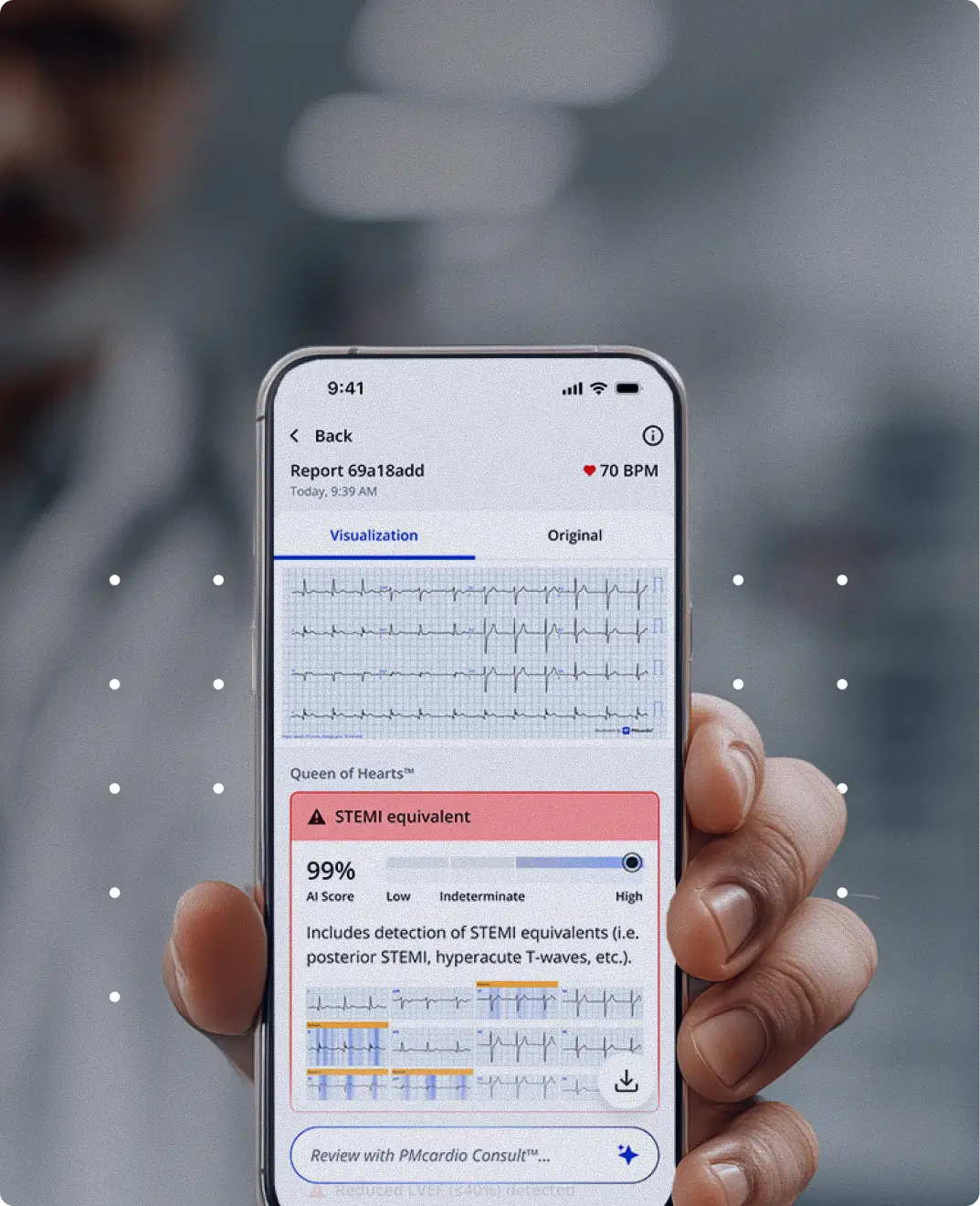
Introducing PMcardio, an AI-powered tool that quickly identifies 39 cardiovascular diseases, all accessible via your smartphone.

At Powerful Medical, we are actively conducting research into bias in diagnostic processes, focusing not only on sex bias but also on racial and ethnic biases, and working towards developing AI solutions that secure equitable care for all patients. Our commitment to this cause underscores the potential of technology to transform healthcare and reduce disparities.

Conclusion

Addressing sex disparities in cardiovascular care is an urgent and ongoing challenge. By understanding the unique ways that heart disease manifests in women and by implementing targeted strategies, healthcare providers can make significant strides in improving outcomes for female patients.

By leveraging the power of innovative technologies and a renewed focus on sex-specific healthcare, we can work towards a future where health outcomes are no longer influenced by sex. Through concerted efforts in education, research, and the implementation of unbiased diagnostic tools, we can ensure that women receive the equitable care they deserve.

Feeling Activated and Willing to Go Beyond? Please do!

With our innovative technologies and dedicated efforts, we are making strides toward true diagnostic equity through innovation.  Contact our team at omi@powerfulmedical.com for guidance on how to effectively review and interpret your data to uncover valuable insights or if you would like to learn more about how AI can improve cardiovascular care for women at your institution. 

References

  1. World Health Organization. Cardiovascular diseases (CVDs). [Internet]. 2021 [cited 2024 May 21]. Available from: https://www.who.int/news-room/fact-sheets/detail/cardiovascular-diseases-(cvds)
  2. Gulati M. Why We Need Specialised Centres for Women’s Hearts: Changing the Face of Cardiovascular Care for Women. Circulation. 2020;141(7):592-595.
  3. Geller SE, Koch A, Pellettieri B, et al. Inclusion, analysis, and reporting of sex and race/ethnicity in clinical trials: have we made progress? J Womens Health (Larchmt). 2011;20(3):315-320.
  4. Mehta LS, Beckie TM, DeVon HA, et al. Acute Myocardial Infarction in Women. Circulation. 2016;133(9):916-947.
  5. Lichtman JH, Leifheit EC, Safdar B, et al. Sex differences in the presentation and perception of symptoms among young patients with myocardial infarction: Evidence from the VIRGO study (Variation in Recovery: Role of Gender on Outcomes of Young AMI Patients). Circulation. 2018;137(8):781-790.
  6. Mosca L, Benjamin EJ, Berra K, et al. Effectiveness-based guidelines for the prevention of cardiovascular disease in women–2011 update: a guideline from the American Heart Association. Circulation. 2011;123(11):1243-1262.
  7. Blomkalns AL, Chen AY, Hochman JS, Peterson ED, Trynosky K, Diercks DB, et al.; CRUSADE Investigators. Gender disparities in the diagnosis and treatment of non-ST-segment elevation acute coronary syndromes: large-scale observations from the CRUSADE (Can Rapid Risk Stratification of Unstable Angina Patients Suppress Adverse Outcomes With Early Implementation of the American College of Cardiology/American Heart Association Guidelines) National Quality Improvement Initiative. J Am Coll Cardiol. 2005 Mar 15;45(6):832-7. doi: 10.1016/j.jacc.2004.11.055. PMID: 15766815.
  8. Shaw LJ, Bugiardini R, Merz CN. Women and ischemic heart disease: evolving knowledge. J Am Coll Cardiol. 2009;54(17):1561-1575.
  9. Vaccarino V, Rathore SS, Wenger NK, et al. Sex and racial differences in the management of acute myocardial infarction, 1994 through 2002. N Engl J Med. 2005;353(7):671-682.
  10. Greenland P, Blaha MJ, Budoff MJ, et al. Coronary calcium score and cardiovascular risk. J Am Coll Cardiol. 2018;72(4):434-447.
  11. Brush JE Jr, Chaudhry SI, Dreyer RP, D’Onofrio G, Greene EJ, Hajduk AM, et al. Sex Differences in Symptom Complexity and Door-to-Balloon Time in Patients With ST-Elevation Myocardial Infarction. Am J Cardiol. 2023 Jun 15;197:101-107. doi: 10.1016/j.amjcard.2023.03.009. Epub 2023 Apr 14. PMID: 37062667; PMCID: PMC10198892.
  12. American Heart Association. Heart Disease in Women. [Internet]. 2021 [cited 2024 May 21]. Available from: https://www.heart.org/en/health-topics/heart-attack/warning-signs-of-a-heart-attack
  13. Redfors B, Angerås O, Råmunddal T, Petursson P, Haraldsson I, Dworeck C, et al. Trends in Gender Differences in Cardiac Care and Outcome After Acute Myocardial Infarction in Western Sweden: A Report From the Swedish Web System for Enhancement of Evidence-Based Care in Heart Disease Evaluated According to Recommended Therapies (SWEDEHEART). J Am Heart Assoc. 2015 Jul 14;4(7):e001995. doi: 10.1161/JAHA.115.001995. PMID: 26175358; PMCID: PMC4608084.
  14. Anand SS, Xie CC, Mehta S, Franzosi MG, Joyner C, Chrolavicius S, et al.; CURE Investigators. Differences in the management and prognosis of women and men who suffer from acute coronary syndromes. J Am Coll Cardiol. 2005 Nov 15;46(10):1845-51. doi: 10.1016/j.jacc.2005.05.091. Epub 2005 Oct 24. PMID: 16286169.
  15. Bugiardini R, Yan AT, Yan RT, Fitchett D, Langer A, Manfrini O, et al.; Canadian Acute Coronary Syndrome Registry I and II Investigators. Factors influencing underutilization of evidence-based therapies in women. Eur Heart J. 2011 Jun;32(11):1337-44. doi: 10.1093/eurheartj/ehr027. Epub 2011 Mar 7. PMID: 21383003.
  16. Cho L, Vest AR, O’Donoghue ML, Ogunniyi MO, Sarma AA, Denby KJ, et al.; Cardiovascular Disease in Women Committee Leadership Council. Increasing Participation of Women in Cardiovascular Trials: JACC Council Perspectives. J Am Coll Cardiol. 2021 Aug 17;78(7):737-751. doi: 10.1016/j.jacc.2021.06.022. PMID: 34384555.
  17. Powerful Medical. Powerful Medical Website. Available from: https://www.powerfulmedical.com/. Accessed May 21, 2024.

Dr. Hana Hybasek Dzurikova

Dr. Hana Hybasek Dzurikova is a medical educator driving innovation and change in health professions education through technology-enhanced learning.
About PMcardio:

PMcardio is a CE-certified AI that reads ECGs and offers a complex assessment of 49 cardiac conditions. Clinically validated in 15+ studies and trusted by over 100,000 clinicians, it delivers rapid, expert‑level interpretations, empowering emergency physicians, GPs, nurses, paramedics, and cardiologists to act with confidence at the point of care. Available for Individuals and Organizations.

Share this article

Don't miss these

Powerful Medical team receiving the MedTech Innovator 2025 Mid-Stage Grand Prize award on stage, holding a large winner’s check.

Powerful Medical Wins MedTech Innovator 2025

Powerful Medical has been named MedTech Innovator 2025, winning MTI’s Mid-Stage Grand Finals—top honor from the world’s largest medtech accelerator. The award recognizes PMcardio and its FDA Breakthrough-designated Queen of Hearts™ AI ECG technology, which doubles sensitivity for detecting severe heart attacks and significantly cuts ECG-to-balloon time in large clinical trials.

PMcardio Reports Positive RCT Results and Late-Breaking Clinical Science for STEMI Detection

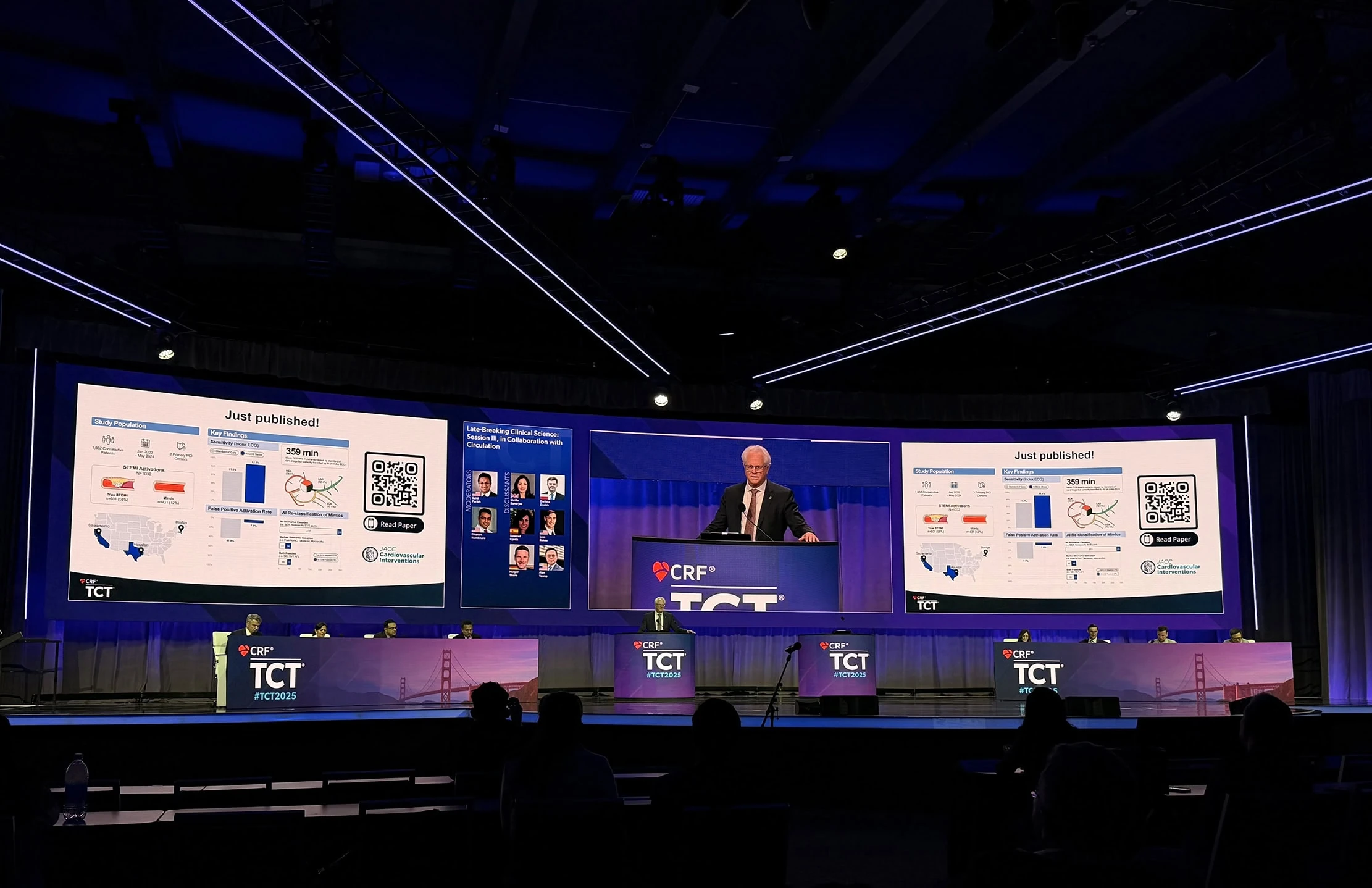
PMcardio’s AI-powered ECG technology delivers breakthrough results at TCT 2025—improving heart attack detection, reducing false activations, and enabling faster treatment across major clinical trials, including the landmark DIFOCCULT-3 RCT.

Join over 100,000 healthcare professionals who are already taking advantage of AI

Suites

Five suites.
One platform.
The full cardiac care journey.

PMcardio’s clinical suites cover the full spectrum of cardiac care — from acute emergency detection to longitudinal monitoring. Deploy the suites that match your priorities today, expand as your needs grow.

Minutes matter

Acute Care Suite

AI-powered detection and pathway coordination for time-critical cardiac events — including STEMI and OMI, pulmonary embolism / RV strain, and hyperkalemia.

  • stemi/OMI
  • pe/RV strain
  • hyperK

Find what ECGs Hide

Echo Screening Suite

AI-powered screening for structural heart disease directly from a 12-lead ECG — detecting reduced LVEF, aortic stenosis, HCM, and other SHD conditions that traditional ECG interpretation misses.

  • lvef
  • aortic stenosis
  • hcm

Ambulatory, automated

Remote Monitoring Suite

AI-powered analysis of ambulatory ECG recordings — Holter monitors, cardiac patches, and other continuous monitoring devices — with automated findings and longitudinal tracking.

  • holter
  • cardiac patches
  • arrhythmia burden

Beyond the clinic

Patient Suite

AI-powered ECG interpretation for consumer wearables and patient-facing devices — extending cardiac care beyond the clinic into everyday life.

  • wearable ECG Analysis
  • PPG Analysis

On-table intelligence

Angio Suite

AI-powered analysis of coronary angiography — automated stenosis quantification, TIMI frame count, guide wire detection, and myocardial blush grading in near real-time.

  • vessel segmentation
  • stenosis quant.
  • timi frames
  • blush grading

Governance, customization & configuration

Align the platform to your protocols — without a custom software project.

Configure escalation thresholds, roles, and reporting to match local pathway rules — while maintaining system-wide governance and consistency.

  • Configurable triggers, roles, and escalation workflows
  • Custom dashboards and views aligned to leadership needs
  • Controlled expansion to additional pathways over time

Outcomes, QA & performance intelligence​

Measure what matters — across every pathway, every site.

Turn pathway execution into dashboards and reporting that help leadership reduce variation, optimize time-to-treatment, and demonstrate value across every deployed suite.

  • Cross-site, cross-pathway, and team-level benchmarking
  • Time-to-treatment and pathway quality tracking
  • QA workflows, audit trails, and leadership reporting
  • Registry-aligned reporting support (NCDR Chest Pain-MI, AHA GWTG, and more)

Escalation & care coordination

Real-time routing that matches how your system actually runs.

Route critical cases to the right team with role-based notifications, escalation logic, and shared case context — across EMS, ED, cardiology, cath lab, and inpatient care.

  • Role-based alerting and escalation across departments and sites
  • Shared case context so receiving teams have what they need before the patient arrives
  • Integration with existing communication and alerting tools

AI-powered decision support

Clinically validated AI that spans the cardiac care journey.

Run multiple AI models on every recording — acute detection, screening, procedural quantification — with interpretable outputs and case-level explainability.

  • Queen of Hearts™ for STEMI/OMI detection
  • LVsense™ for reduced ejection fraction
  • Culprit Artery Prediction for pre-cath planning
  • Core AI for comprehensive rhythm and conduction analysis
  • Expanding model portfolio across Echo Screening, Remote Monitoring, and Angio Suites

Interoperability & deployment

Connect across your existing systems — without replacing them.

Ingest pathway-critical inputs from across your network and IT landscape, and deliver results where teams already work. Built for system-wide rollout with enterprise deployment patterns.

  • Connect to ECG devices, angiographic systems, and ambulatory monitors across sites
  • Launch PMcardio from the EHR / CVIS with secure links and SSO
  • Send results back to clinical systems where care is documented

All Supported ECG Findings

Rhythms
Sinus bradycardia • Sinus rhythm • Sinus tachycardia • Paced rhythm • Atrial fibrillation
Atrial fibrillation with rapid ventricular response • Atrial fibrillation with slow ventricular response • Atrial flutter • Atrial flutter with rapid ventricular response • Atrial flutter with slow ventricular response • Supraventricular tachycardia • Suspected junctional rhythm • Suspected junctional bradycardia • Suspected accelerated junctional rhythm • Wide QRS rhythm • Idioventricular rhythm • Wide QRS tachycardia

Myocardial Infarctions
  • STEMI
  • STEMI
    Equivalent
Detects occlusive myocardial infarctions (OMIs) even without ST elevation (i.e. posterior STEMI, hyperacute T-waves, etc.). Negative for STEMI mimics (i.e. early repolarization, LVH, etc.)
  • High-Risk NSTEMI
    Represents a type 1 myocardial infarction caused by a transiently recanalized coronary occlusion—classically seen in patterns such as Wellens type A or B due to subtotal LAD obstruction, but possible in any infarct-related territory.
  • Culprit Detection
    AI-predicted likelihood scores for LAD, LCx, and RCA with 3D heart visualization highlighting the predicted culprit artery.

Conduction Abnormalities (Heart Blocks
1st degree AV block • 2nd degree AV block, type Wenckebach • Higher degree AV block • Complete right bundle branch block • Incomplete right bundle branch block • Complete left bundle branch block • Incomplete left bundle branch block • Nonspecific intraventricular conduction delay • Left anterior fascicular block • Left posterior fascicular block • Bifascicular block (RBBB + LAFB) • Bifascicular block (RBBB + LPFB) • Trifascicular block (RBBB + LAFB + AVBLOCK1) • Trifascicular block (RBBB + LPFB + AVBLOCK1)

LVEF
Reduced LVEF (≤40%) • Mildly reduced LVEF (41 – 49%) • No signs of reduced LVEF (≥50%)

Axis
Left cardiac axis deviation • Right cardiac axis deviation • Extreme cardiac axis deviation • Normal axis

Measurements
Heart rate • P wave • PR interval • QRS duration • QT interval • Corrected QT interval (Framingham formula) • RR interval • PP interval • ST elevations

Other Supported Diagnoses
Suspected long QT syndrome • Suspected short QT syndrome • Suspected atrial enlargement • Suspected ventricular hypertrophy • Premature complexes

Dr. Tom De Potter, MD

Cardiologist at the Cardiac Center Aalst

Cardiologist specializing in Pacemaker Device Therapy and Electrophysiology. Leads the electrophysiology unit at the Heart Center in Aalst, holds an executive board position at the European Heart Academy, and serves as EHRA scientific program committee co-chair.

Dr. Martin Penicka, MD, PhD

Cardiologist at the Cardiac Center Aalst

Cardiologist at the Cardiac Center Aalst since 2009, specializing in non-invasive imaging and valvular disease. Fellow of the European Society of Cardiology (FESC) and the European Association of Cardiovascular Imaging (FEACVI).

Dr. Ward Heggermont, MD, PhD

Co-director at the Cardiovascular Center

Co-director at the Cardiovascular Center of Aalst Hospital, specializing in heart failure. Research focus at the intersection of cardiology, virology, and metabolism.

Prof. Dr. Robert Hatala, PhD

Co-founder and Chief Scientist

Head of the Arrhythmia and Pacing department at the National Institute of Cardiovascular Diseases in Slovakia. More than 150 publications and 10,000 citations. Contributor to ESC clinical practice guidelines and executive editor of the European Heart Journal since 2020.

Arieh Levy

Head of PMcardio for Individuals

Arieh leads the PMcardio for Individuals product at Powerful Medical, guiding its development as a clinical tool for emergency physicians, cardiologists, and primary care physicians. He holds a First Class MEng in Biomedical Engineering from Imperial College London, where he specialised in AI for cardiology, building physics-informed neural networks to model atrial electrical properties, giving him a background that bridges the clinical and technical demands of building a certified AI medical device used at the bedside every day.

Dr. Dave Pearson, MD​

Business Advisor

Academic emergency medicine physician, entrepreneur, investor, and researcher with nearly two decades at Atrium Health, one of US largest health systems. Brings expertise at the intersection of clinical care, healthcare innovation, and strategic leadership.

Prof. Stephen W. Smith, MD

Professor of Emergency Medicine

Faculty physician in Emergency Medicine at Hennepin County Medical Center and Professor of Emergency Medicine at the University of Minnesota. Co-inventor of the OMI paradigm and editor of Dr. Smith’s ECG Blog, the most-visited US-based ECG interpretation blog.

Prof. Emanuele Barbato, MD, PhD

President of EAPCI

Interventional cardiologist specializing in coronary artery disease and coronary physiology. Acting president of the European Association of Percutaneous Cardiovascular Interventions (EAPCI) and contributor to the clinical practice guidelines for STEMI care.

Scott Sharkey, MD

Chief Medical Officer

Chief Medical Officer of the Minneapolis Heart Institute Foundation and practicing cardiologist at Allina Health Minneapolis Heart Institute. Co-founder of the STEMI Midwest consortium and Takotsubo cardiomyopathy research program and a widely published clinical investigator in STEMI care.

Prof. Dr. Leor Perl, MD

Director of Cardiac Catheterization Institute

Director of Complex Cardiac Interventions and Chief Innovation Officer at Rabin Medical Center. Graduate of the Stanford Biodesign Program.

Suzanne J. Baron, MD, MSc

Director of Interventional Cardiology Research

Director of Interventional Cardiology Research at Massachusetts General Hospital. Holds a Master’s degree in health economics from Harvard School of Public Health. Expert in cardiovascular device impact on healthcare costs and patient-reported outcomes.

Prof. Marco Valgimigli, MD

Deputy Chief Cardiocentro Ticino Institute

Head of Cardiology at Cardiocentro Ticino and Principal Investigator of the TITAN-OMI randomized controlled trial. His research has shaped both European and US clinical practice guidelines on coronary stents, antithrombotic therapy, and vascular access.

Timothy D. Henry, MD

Medical Director of The Carl and Edyth Lindner Center

Leading expert in interventional cardiology and STEMI treatment. Co-founder and principal investigator of the Midwest STEMI Consortium, a registry of more than 20,000 consecutive STEMI activations. Presenting author for the TCT 2025 Late-Breaking Clinical Science on Queen of Hearts.

Matus Horvath

Head of People

Matus leads hiring strategy and culture at Powerful Medical. He previously ran the People Team at Slido, the Slovak SaaS startup later acquired by Cisco — an experience that informs how he builds a high-performing, values-driven team through rapid scaling.

Dr. Timea Kisova, MD

Clinical Research Lead

Timea leads Powerful Medical’s global external validation studies, including the multi-country AI ECG TIMI Study. With a background in biomedical sciences and a medical degree from Barts and The London School of Medicine and Dentistry, she brings the clinical discipline required to generate the prospective, real-world evidence behind every PMcardio module.

Dr. Anthony Demolder, MD, PhD

HF Pathway Lead

Research physician with a PhD on arrhythmias in heritable thoracic aortic disease. He has led international studies at the intersection of cardiology and AI — including earlier work on atrial fibrillation at AZ Sint-Jan Brugge — and now drives Powerful Medical’s heart failure pathway and LVsense™ AI model development.

Dr. Pendell Meyers, MD

ACS Pathway Lead

Emergency medicine physician, prolific educator, and Co-Editor of Dr. Smith’s ECG Blog. He is one of the leading voices behind the Occlusion Myocardial Infarction (OMI) paradigm, the clinical framework that reshaped how heart attacks are identified from the ECG — and which sits at the core of the Queen of Hearts™ model.

Adam Dej

Head of PMcardio for Organizations Engineering

Adam leads engineering for PMcardio for Organizations at Powerful Medical, driving platform architecture, backend systems, and infrastructure behind one of the company’s key growth products. He began programming at 13, entered professional IT at 17, and studied computer security at Comenius University’s Faculty of Mathematics, Physics and Informatics. Known for technical depth across distributed systems, infrastructure, and security, he builds scalable and resilient software with a sharp focus on customer impact. He also champions responsible use of AI and LLMs as force multipliers for modern engineering teams.

Gabriela Rovder Sklencarova

Head of Infrastructure

Gabriela designs the scalable, secure, distributed systems that keep PMcardio running around the clock for clinicians worldwide. She joined from Google, where she was a senior software engineer building core libraries that kept Google’s services resilient against billions of requests, and holds a BA and MA in Computer Science from the University of Cambridge.

Arezou Azar

US and Global Regulatory

Arezou leads Powerful Medical’s global regulatory strategy across the FDA, EU MDR, and international frameworks. She has been part of nearly every major breakthrough in AI cardiology and is an expert in US and global regulatory strategy, SaMD/digital health launches, with experience at Eko Health, Verily, AliveCor, Cardiologs, and Apple. She specializes in regulatory strategy in high-paced global organizations.

Adam Rafajdus

Head of AI

Adam grew into the Head of AI role from MLOps Engineer over six years at Powerful Medical, bringing deep expertise in deep learning and production-grade system deployment. He leads the team behind the Queen of Hearts™ AI ECG models and was awarded Best Poster at ISCE 2025 for the company’s ECG digitization pipeline.

Mike Wall

VP of Sales

Mike brings more than twenty years at UnitedHealth Group to the table, where he served health plans, employer groups, and public-sector entities as a consultative healthcare sales executive. He combines market intelligence, clinical insight, and financial acumen — the three ingredients needed to bring AI-powered diagnostics into US health systems at scale.

Amani Farid

Head of Strategic Partnerships

Amani leads partnership strategy with a hands-on approach to integration, unlocking long-term value through collaboration and scale. A University of Chicago Law School-trained attorney and former M&A and capital markets associate at two top international law firms, she brings the rare combination of legal precision and commercial execution refined across nearly a decade at Stryker and as VP of Corporate Development at RapidAI — spanning medtech, digital health, and AI-driven diagnostics.

Michal Martonak

Commercial Lead

A mathematician by training, Michal leads commercial strategy, go-to-market, and strategic partnerships with healthcare providers and clinical institutions worldwide. He previously built Powerful Medical’s data and clinical partnerships function, acquiring the large-scale clinical datasets that underpin the company’s certified AI models.

Dr. Jozef Bartunek, MD, PhD

Co-founder and VP Clinical Strategy

Interventional cardiologist and Co-director of the Cardiovascular Center in Aalst, Belgium — one of the world’s leading heart centers. A Fogarty International NIH Fellow at Harvard Medical School and visiting Professor of Medicine at Catholic University Leuven, he has authored more than 240 peer-reviewed publications in heart failure and structural heart disease, and anchors Powerful Medical’s clinical and research strategy.

Simon Rovder

Co-founder and CTO

Simon began his engineering career at Microsoft and holds a Master’s degree in Informatics from the University of Edinburgh. He built and scaled Powerful Medical’s technology organization from the ground up to a team of 20+ engineers, leading the architecture of a CE-certified Class IIb medical device now deployed in hospitals across Europe.

Viktor Jurasek

Co-founder and CPO

Viktor was modding computer games before his teens and has spent the last decade shipping digital products across advertising, finance, and healthcare. As co-founder and CPO, he has led PMcardio’s product and design since the first prototype, setting the bar for how a clinical-grade tool should feel in a physician’s hands — fast, clear, and trustworthy at the point of care.

Felix Bauer

Co-founder and COO

Felix was part of the Hyperloop team that repeatedly competed and won in Elon Musk’s SpaceX Hyperloop Pod Competition. He holds a degree from the Technical University of Munich and brings a rare combination of engineering rigor, regulatory discipline, and operational excellence to the company, spearheading operations, compliance, regulatory, quality management, and global market access since day one.

Dr. Robert Herman, MD, PhD

Co-founder and Chief Medical Officer

Robert is a physician-scientist who served on the Research, Digital and Innovation Committee of the European Society of Cardiology. He bridges medicine and AI, connecting clinicians, researchers, regulators, and trial leaders to translate algorithms into clinical practice. He founded multiple AI ECG models, leads international clinical trials validating them, is a recipient of the Journal of the American College of Cardiology Spencer King Award, and was named to Forbes 30 Under 30 Europe 2024.

Martin Herman

Co-founder and CEO

Martin started coding at 14 and moved to Silicon Valley at 18, founding several companies including a US-based startup before returning to Europe with his brother Robert to build Powerful Medical. He comes from a family of doctors, which shaped his conviction that AI belongs wherever it can genuinely save lives. Forbes 30 Under 30 (Europe 2024).

Heart Attacks are #1 cause of death world-wide and killing about 12 milions people a year.

Clinical Definition of Problem

Contrary to popular belief, a heart attacks isn’t a blockage inside of the heart. A heart attack is a blockage of the coronary arteries supplying the heart muscle with oxygenated blood.

So let’s assume you get a blood clot here — it blocks the blood flow downstream, meaning the heart muscle doesn’t get oxygenated blood and heart tissue downstream starts to die.

Clinical Solution​

The way to fix it is relatively simple – doctors put in a stent that opens up the artery and renews blood flow. The latest clinical practice guidelines recommend that this “stenting” happens within 90 minutes from symptom onset.

If you don’t, even if you put in the stent in later, the heart tissue downstream has already been permanently damaged, which reduces the heart’s ability to pump blood. This is the leading cause of heart failure and increases 1-year mortality by two-fold.

Time is muscle.

You have just 90 minutes to diagnose the patient, bring them to the hospital and put in the stent, otherwise there is permanent damage. So problem is, that 1 in 2 heart attacks get initially misdiagnosed at the first point of contact.

Discover the future of medical work with us.

Lorem ipsum dolor sit amet, consectetur adipiscing elit. Ut elit tellus, luctus nec ullamcorper mattis, pulvinar dapibus leo.